
A sentence in a science fiction novel stopped me recently. It was a small line, easy to roll past, but it stayed with me long after I put it down.
“I’m proud of my imagination.”
I found myself wondering if I had ever thought of it that way. Proud. The bigger question that followed was a little more unsettling. Am I still using my imagination fully, or is it something I can see, but always remains just a few steps beyond my reach?
Most of us think of imagination as something that belongs to childhood. Living room forts. Long summer days that lasted forever. Stories invented simply because it was fun to live inside them for a while.
Then life moves forward and the tone shifts. Our imagination grows up with us. It gets invited into planning meetings and project updates. It earns its place by helping things get built, improved, delivered. It becomes practical.
That kind of imagination matters. It’s the force behind homes that rise from empty ground, companies that begin as ideas scribbled on paper, and communities that take shape one decision at a time. Many of the most meaningful things in life begin with a simple question. What if this could exist? And then our imagination stays long enough to help bring it into the world.
Yet there’s another layer, the one that’s harder to reach. Imagination without a destination. The kind that wanders. The kind that lets our curiosity move without a map, without an audience, without a finish line waiting just ahead.
Modern life doesn’t make much room for wandering. We reward clarity. We celebrate speed. Productivity gets our applause. Wandering gets a polite nod and then we move on.
Even creativity, when it happens, can start to lean toward usefulness. We think about who might care, how something might land, whether this is worth sharing. Before long, our imagination is wearing work clothes every day.
Still, the wandering version never disappears. It shows itself in moments we almost miss. A line in a book that makes us pause. A quiet walk where our thoughts drift farther than we planned. Standing on an open piece of land and picturing laughter and conversations that haven’t happened yet, paths that haven’t yet been carved.
Those moments feel different. The air seems a little wider. Time stretches just enough for possibility to breathe.
Imagination is our ability to see long before we start to solve.
Across a lifetime it takes different forms.
-Playful imagination delights in possibility simply because it can.
-Building imagination turns vision into action and ideas into reality.
-Generative imagination pictures future experiences, future conversations, future memories waiting somewhere ahead.
Most of us live primarily in the second and third forms. We plan, design, and visualize. We imagine with purpose. The playful version visits less often, but when it arrives it carries a spark that feels unmistakable.
Part of what makes it harder to access is our internal voice of evaluation. Our mind asks its questions automatically. Does this make sense? Is this useful? Would anyone care? These questions help us bring ideas into the world. They also narrow our horizons.
Artists talk about the deep joy in creating something they love for its own sake. Then a second round of joy when that creation resonates with others. The order matters. Self first. Audience second. When the sequence holds, the work feels alive. The same may be true of imagination itself.
Imagination grows stronger when it has somewhere to roam. It expands when it’s allowed to exist without immediate purpose. That permission can live in small choices. Letting a thought run a little longer. Following an idea that seems interesting even if it leads nowhere. Sitting with possibility without rushing to decide what it means.
The wandering and the purposeful are partners. Each strengthens the other. The freedom to explore deepens our clarity to build. When imagination has room to stretch, what we create carries more life inside of it.
That line from the novel stayed with me because it felt less like a statement and more like a quiet commitment. To keep my imagination active. To keep it close at hand. To let it wander often enough that it never forgets how.
Maybe that’s the invitation for all of us. Keep a small door open. Let imagination step outside the boundaries of usefulness from time to time. Let it explore without needing a reason.
Because the farther our imagination travels, the richer life feels when we return.
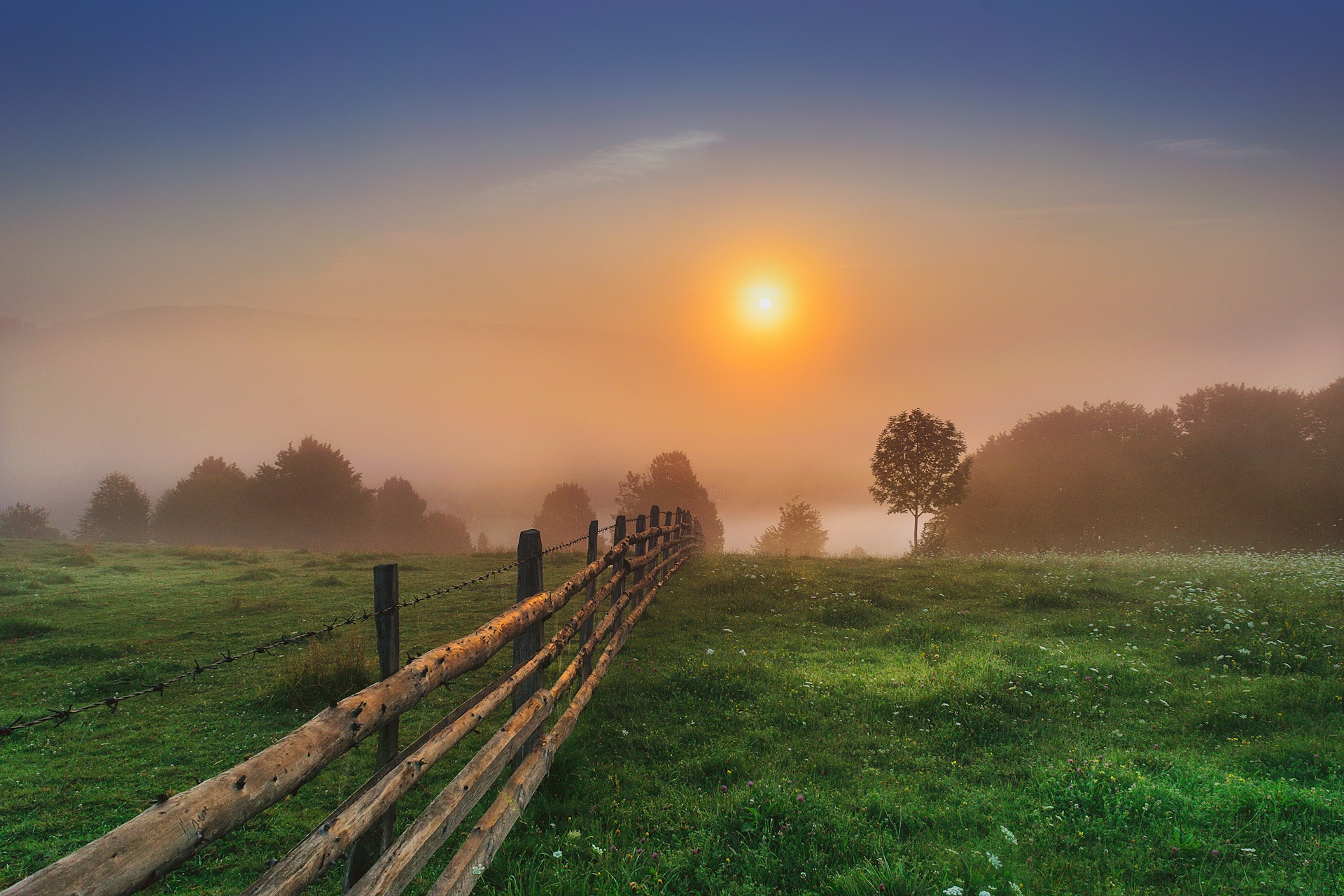
Photo by Dobranici Florin on Unsplash – I can imagine a bunch of things in this photo, but the main reason I chose it is the way the sun glows on the fence posts. I made you look again, didn’t I.

 Grandpa Bob Encouraging Leadership