Nothing Is Easy

Many of us have felt it. That quiet, persistent yearning for life to just settle down for a while.

We imagine a stretch of road where the strain lets up, the demands lighten, and we can move forward without so much weight on our shoulders. We tell ourselves that after enough years, enough lessons, enough work, and enough milestones, there ought to be a time when things begin to coast.

That hope is understandable. We carry a lot. We get tired. We get worn down.

But easy rarely waits for us around the bend. More often, what comes instead is something better.

Perspective. Wisdom. A clearer sense of what’s worth our energy and what’s worth leaving behind.

With time, we may carry life with more grace. We may stop pouring ourselves into things that never deserved that much from us. We may learn the wisdom of laying down false guilt, unnecessary fear, stale resentment, and the crushing expectations that come from trying to live someone else’s life.

A good bit of suffering comes from carrying weight we were never meant to bear.

Of course, knowing what to set down is its own kind of work. It takes honesty to name what we’ve been carrying needlessly. It takes courage to actually let it go.

But even after we set those things down, effort remains. That’s a feature, rather than a flaw, in life’s design.

Work requires our attention. Relationships ask for our patience. Growth brings discomfort. Purpose calls for sacrifice, and faith asks for trust.

Effort remains part of a life that’s awake and engaged.

Sometimes what we call easy is really just familiarity. We know the terrain. We know the language. We know how to move around in it. That can feel easier, but familiar things can still cost us. They can still ask for endurance, humility, steadiness, and resilience.

Maybe relief is the most honest word for what we’re seeking.

We want a little less pressure. A little less uncertainty. A little less disappointment. A little less striving. We want room to breathe.

There’s nothing wrong with that. Relief is human. Rest is holy. Recovery matters.

But relief differs from a life free of demands. And deep down, most of us would find such a life unsatisfying.

We may say we want to coast. We may fantasize about “easy street.” We may imagine how nice it would be if everything just ran smoothly for a while. But too much ease has a way of hollowing us out, leaving us restless, a little purposeless, quietly bored with ourselves.

We were made for engagement. We want to build, help, solve, shape, encourage, contribute, and grow. We want to know that our presence still counts for something.

That’s why a completely easy life, if such a thing existed, would probably disappoint us pretty quickly.

We were made for meaningful effort, and that’s where we find ourselves most alive.

The question, then, is less about whether life will ever become easy and more about whether we’re giving ourselves to things that build something in us and around us. Things connected to purpose, love, responsibility, service, growth, and calling.

Giving ourselves to the right things helps us stop feeling sorry for ourselves and start paying attention again. It steadies us for the chapter we’re in, rather than the imaginary one we hope will arrive.

As long as we’re here, there’ll be something in front of us asking for effort.

That’s our life inviting us in.

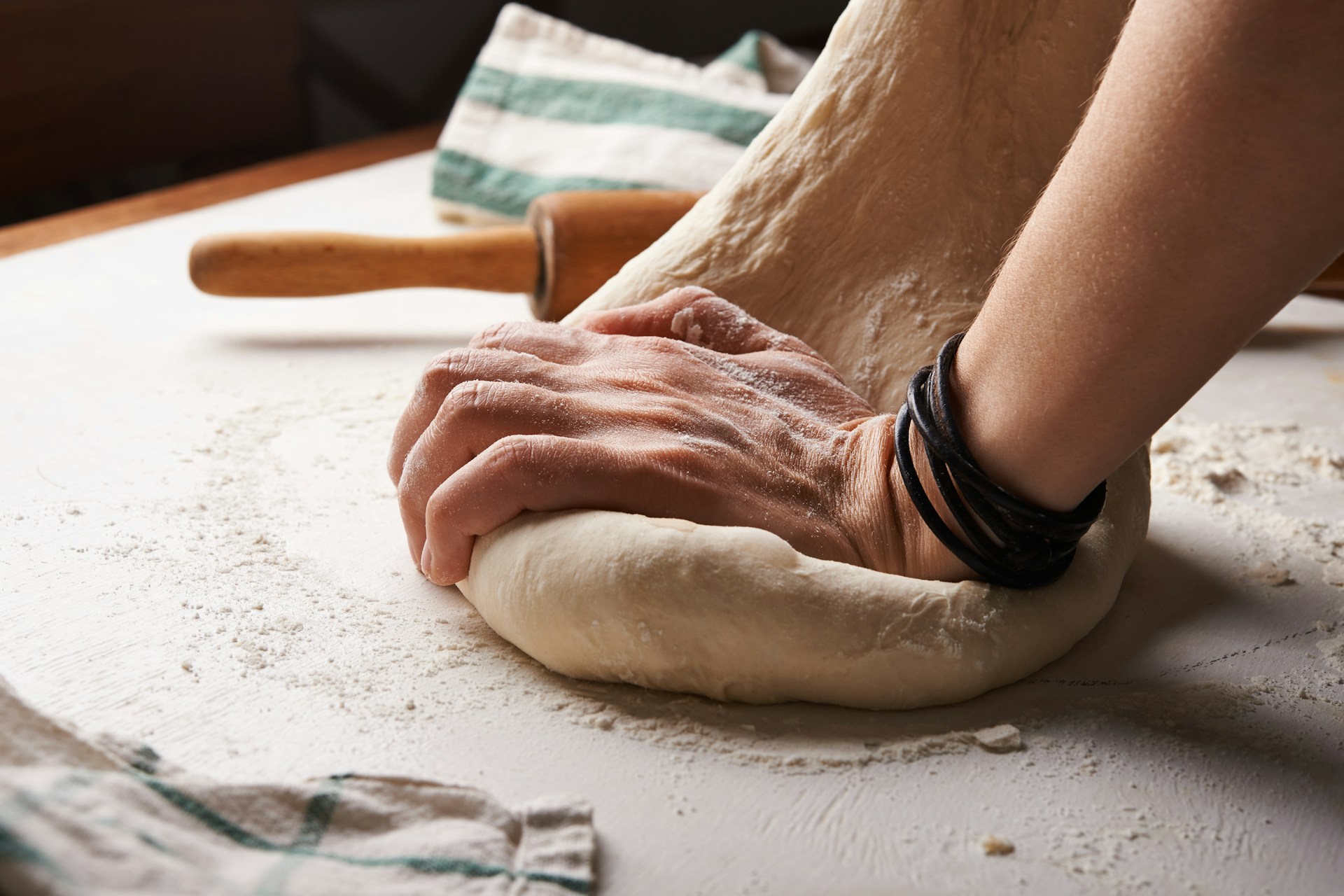
Photo by Nadya Spetnitskaya on Unsplash – Bread doesn’t rise without the work. Neither do we.

When the Goal Feels Too Big, Go Small

Some goals are big enough to carry us for a long time.

They lift our eyes. They fill ordinary days with meaning, connecting our work to something larger than the moment in front of us.

That vision matters.

It gives shape to sacrifice. It helps us endure hard things because we can see where we’re trying to go.

But big goals have a way of becoming heavy.

Sometimes the distance feels too great. The work takes too long. The gap between where we are and where we want to be can leave us discouraged before we’ve gone very far at all.

That’s when it helps to bring the goal down to just the next step. The next mile. The next call. The next page. The next hour of honest work.

We don’t accomplish great things all at once. We get there by doing the next thing that needs doing.

The small task gives us traction. It pulls us out of vague ambition and back into motion.

But this has its own challenge.

Sometimes the next step feels too small. Repetitive. Disconnected. We can lose heart in the middle of faithful effort simply because the work in front of us seems too ordinary or meaningless.

That’s when we need to lift our eyes again. Remember why we started. Who this serves. The person we’re trying to become.

Focusing only on the big vision, we risk becoming dreamers who admire the mountain and never climb it. Living only in the next task, we can become people who just keep moving and slowly forget why.

Our strength comes from learning to move between the two.

When the goal feels too big, narrow the focus. When the next step feels too small, widen the focus.

The vision gives meaning. The step gives traction. We need both.


h/t – to a recent Jocko Willink short on this exact tension…worth a couple minutes of your time.  

“When making plans, think big. When making progress, think small.” — James Clear

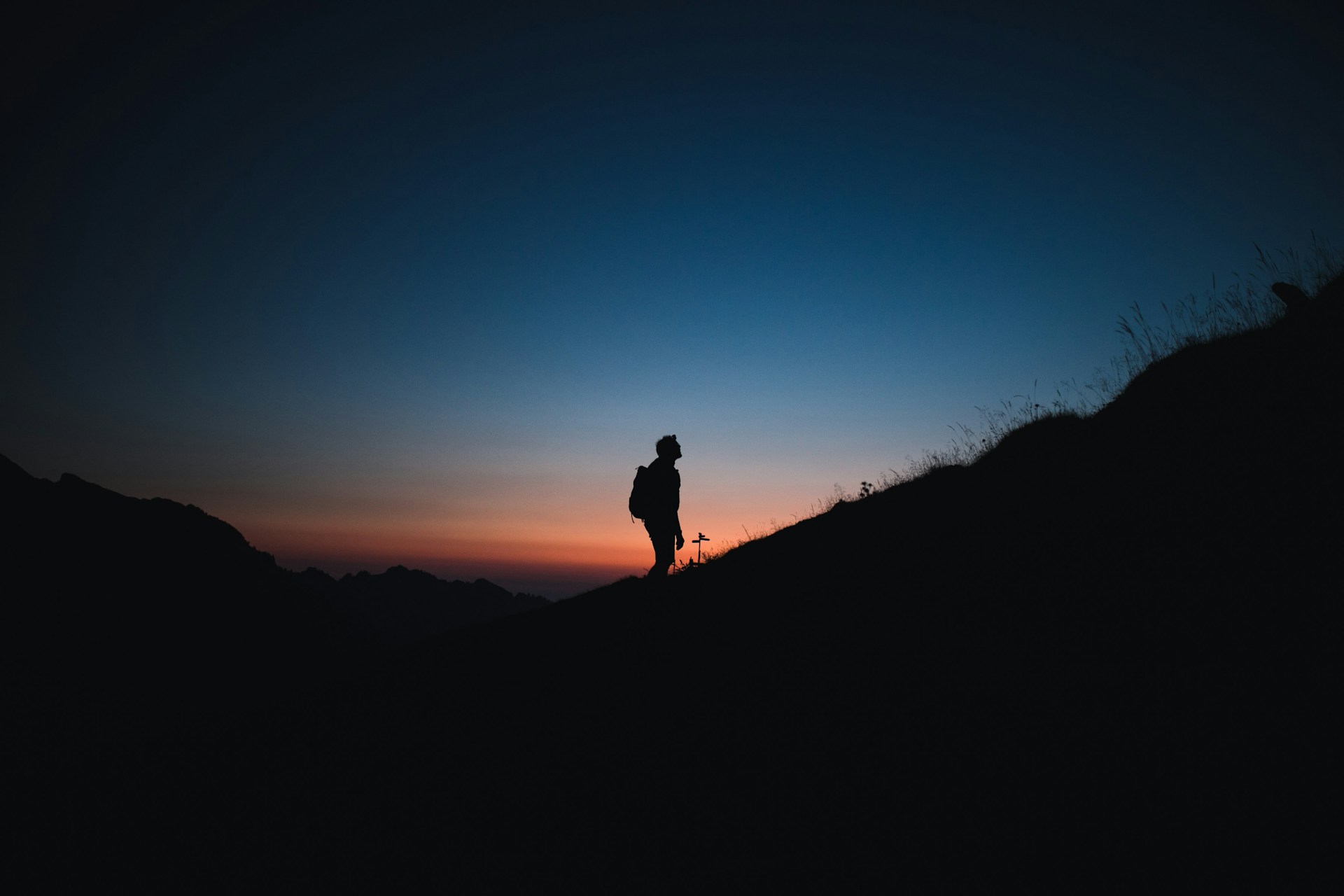
Photo by Florian D. Bazac on Unsplash

Fear Only Needs One Example

Some of the fears running things in our lives were never ours to begin with. We watched someone lose and decided losing was the lesson. We watched someone speak up and get burned, so we got quiet. We watched someone try and then called their failure a warning. We told ourselves we were being realistic when we were just hiding safely behind their wreckage.

We rarely see the whole picture of someone else’s failure. We don’t see the blind spots, the ignored warnings, the weak foundation, the compromises nobody talked about, or the timing that was just off. We only see the ending, and then we build ourselves a new law out of it.

Something inside us says, See? That’s what happens.

No. That’s what happened.

One word. One syllable. The difference between a lesson and a life sentence.

Fear is a fast learner. It sees one example and it moves. It doesn’t wait for data. It doesn’t wait for context. It doesn’t wait for us to think.

Sometimes that’s exactly right. Some roads do end in ruin. Some boundaries are wisdom. There are dangers in life that should be taken seriously the first time, not the fifth.

But fear can collapse categories too quickly. It can treat a predator and a conversation as though they deserve the same response.

One difficult conversation becomes I’ll never bring that up again. One rejection becomes I’m done. One betrayal becomes Trust no one.

Fear stops being a warning. It becomes a tyrant. And tyrants imprison more than they protect.

Sometimes it isn’t safety we’re protecting. It’s our pride. Our delicate image. The deep terror of being seen trying and coming up short. That type of fear can sound like logic. It can sound like experience. And it can rob us quietly for years.

I’ve seen people let one example define them. One disappointment. One humiliation. One loss. One story, often somebody else’s story, lodged deep in their imagination.

But one example is a terrible god. It asks for too much. It explains too little. And it leaves too many good things untried.

Fear only needs one example.

Our wisdom must decide how much authority we give it.

Photo by Silas Baisch on Unsplash

The Rocks, A Higher Gear, and Campfires

In 2013, I wrote a short post called We Are All Mountain Climbers.

The idea was simple. If you look closely at life, you’ll see that everyone is climbing something.

A career. A relationship. A difficult time in their lives. A personal challenge.

Life has a way of placing mountains in front of us. Or maybe…we’re just good at finding them.

As I wrote back then, the climb only makes sense from the inside. Watching others or hearing their stories are no substitute for taking it on yourself.

There was another part of the metaphor that mattered even more.

Many of us start the climb with backpacks full of things that make our journey harder than it needs to be. Old resentments. Lingering disappointments. Criticism that stuck with us longer than it should have. Sometimes we even carry baggage that belongs to someone else.

Years later, I came across a Buddhist parable that gave a new wrapper to this idea. It described people walking through life carrying large boulders. Anger. Ego. Grudges. The suffering didn’t come from the boulders themselves. It came from choosing to pick them up.

In 2015, I wrote about riding my mountain bike.

Whenever a hill approached, I had a habit of shifting into an easier gear before the climb even began. It felt like preparation. It felt like the smart thing to do.

One day I tried something different. Instead of downshifting, I shifted to a higher gear and pushed harder.

To my surprise, I climbed much faster than before, without bonking like I thought might happen.

Sometimes growth means discovering we’re stronger than we realize.

That experience raised questions I still ask myself.

Where else in life do I downshift before the hill arrives?

Am I protecting myself from difficulty…or underestimating what I’m capable of?

Recently, I read a post by Tim Ferriss about the “self-help trap.” He described sitting around a campfire one evening with a small group of close friends, the kind of unhurried night where the conversation slows down enough for truths to surface. He found himself thinking about the fire, and then realizing the fire wasn’t the point. The people sitting around it were.

He described how easily we can become so absorbed in optimizing ourselves, tracking progress, chasing improvement, climbing toward our next summit, that we lose sight of why we started climbing in the first place.

Summits will eventually fade. Our achievements will blur with time. Recognition disappears quicker than we expect.

Perhaps the real work of self-improvement is simpler than we think.

The rocks we’re carrying were never necessary.

The hills we fear are usually smaller than we imagine, or remember.

And the fire, the one worth tending, isn’t the one powering our ambition. It’s the one we gather around with the people we love.

Photo by Marc Zimmer on Unsplash

The Space Where Imagination Still Lives

A sentence in a science fiction novel stopped me recently. It was a small line, easy to roll past, but it stayed with me long after I put it down.

“I’m proud of my imagination.”

I found myself wondering if I had ever thought of it that way. Proud. The bigger question that followed was a little more unsettling. Am I still using my imagination fully, or is it something I can see, but always remains just a few steps beyond my reach?

Most of us think of imagination as something that belongs to childhood. Living room forts. Long summer days that lasted forever. Stories invented simply because it was fun to live inside them for a while.

Then life moves forward and the tone shifts. Our imagination grows up with us. It gets invited into planning meetings and project updates. It earns its place by helping things get built, improved, delivered. It becomes practical.

That kind of imagination matters. It’s the force behind homes that rise from empty ground, companies that begin as ideas scribbled on paper, and communities that take shape one decision at a time. Many of the most meaningful things in life begin with a simple question. What if this could exist? And then our imagination stays long enough to help bring it into the world.

Yet there’s another layer, the one that’s harder to reach. Imagination without a destination. The kind that wanders. The kind that lets our curiosity move without a map, without an audience, without a finish line waiting just ahead.

Modern life doesn’t make much room for wandering. We reward clarity. We celebrate speed. Productivity gets our applause. Wandering gets a polite nod and then we move on.

Even creativity, when it happens, can start to lean toward usefulness. We think about who might care, how something might land, whether this is worth sharing. Before long, our imagination is wearing work clothes every day.

Still, the wandering version never disappears. It shows itself in moments we almost miss. A line in a book that makes us pause. A quiet walk where our thoughts drift farther than we planned. Standing on an open piece of land and picturing laughter and conversations that haven’t happened yet, paths that haven’t yet been carved.

Those moments feel different. The air seems a little wider. Time stretches just enough for possibility to breathe.

Imagination is our ability to see long before we start to solve. 

Across a lifetime it takes different forms.

-Playful imagination delights in possibility simply because it can.
-Building imagination turns vision into action and ideas into reality.
-Generative imagination pictures future experiences, future conversations, future memories waiting somewhere ahead.

Most of us live primarily in the second and third forms. We plan, design, and visualize. We imagine with purpose. The playful version visits less often, but when it arrives it carries a spark that feels unmistakable.

Part of what makes it harder to access is our internal voice of evaluation. Our mind asks its questions automatically. Does this make sense? Is this useful? Would anyone care? These questions help us bring ideas into the world. They also narrow our horizons.

Artists talk about the deep joy in creating something they love for its own sake. Then a second round of joy when that creation resonates with others. The order matters. Self first. Audience second. When the sequence holds, the work feels alive. The same may be true of imagination itself.

Imagination grows stronger when it has somewhere to roam. It expands when it’s allowed to exist without immediate purpose. That permission can live in small choices. Letting a thought run a little longer. Following an idea that seems interesting even if it leads nowhere. Sitting with possibility without rushing to decide what it means.

The wandering and the purposeful are partners. Each strengthens the other. The freedom to explore deepens our clarity to build. When imagination has room to stretch, what we create carries more life inside of it.

That line from the novel stayed with me because it felt less like a statement and more like a quiet commitment. To keep my imagination active. To keep it close at hand. To let it wander often enough that it never forgets how.

Maybe that’s the invitation for all of us. Keep a small door open. Let imagination step outside the boundaries of usefulness from time to time. Let it explore without needing a reason.

Because the farther our imagination travels, the richer life feels when we return.

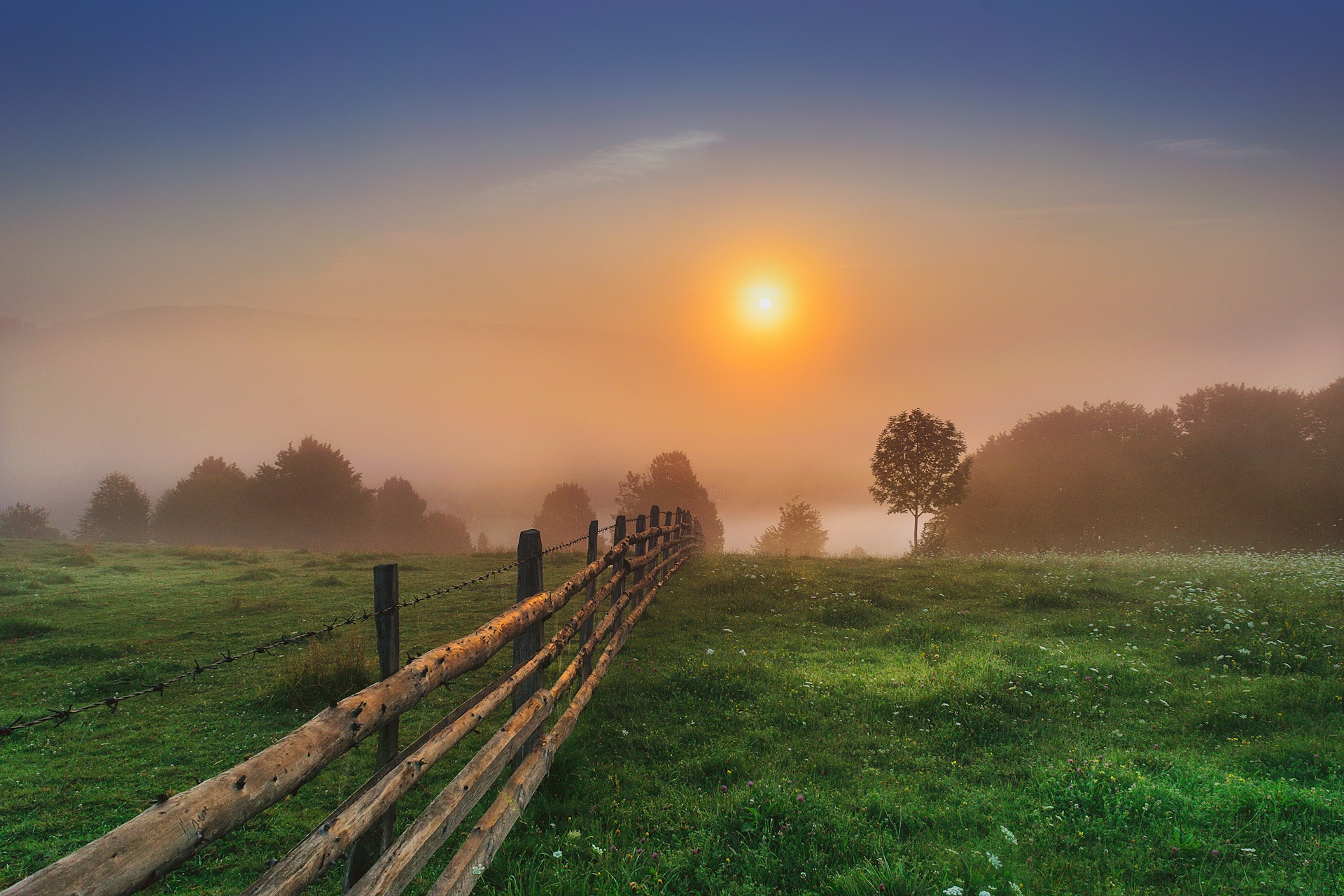
Photo by Dobranici Florin on Unsplash – I can imagine a bunch of things in this photo, but the main reason I chose it is the way the sun glows on the fence posts. I made you look again, didn’t I.

Always Improve Your Position

A few days ago, I was listening to Jocko Willink speak about the quiet discipline behind Brazilian jiu-jitsu. I’m not a jiu-jitsu person, but one idea landed for me. It’s a truth I already knew but had never heard spoken so simply:

Always improve your position.

In jiu-jitsu, nothing happens all at once. A submission arrives like lightning, but only to the untrained eye. What looks like a sudden victory is really the final expression of dozens of subtle movements that came before it. A hip shifts. A grip tightens. An elbow gains an inch of space. Most of these moves go unnoticed. Each small adjustment creates a little more room, a little more leverage, a little more advantage.

I’ve always believed real progress works this way. It’s rarely dramatic. It’s quiet and patient. The accumulated effect of showing up, learning something new, adding a bit more care, and preparing a little more than required.

Breakthroughs rarely come from a single moment of inspiration. They come from the quiet work no one sees. The thoughtful practice that sharpens your skills, the trust built over months of ordinary conversations, the time spent learning before making a decision. When opportunity arrives, it looks sudden to others. To you, it feels like the next logical step.

This truth showed up clearly for me after a derecho tore through our property on Father’s Day weekend a few years ago. Ninety-mile-per-hour winds knocked down at least thirty trees across multiple acres. When I walked our land the next morning, everything felt broken and overwhelming. The cleanup looked like a project that would take months. I didn’t have months to devote to it.

But I did have mornings. So, I decided to work for an hour and a half every day before work. I cleared a small section each morning. It was incredibly slow. I dragged branches, cut trunks, chipped debris, split firewood, and made countless trips to our local dump. Small steps, small progress, one morning at a time.

Over the course of a year (maybe more), I worked my way across our entire property. Along the way, I cut in new hiking trails and removed a number of unhealthy trees. What started as a mess became a healthier stand of trees and a network of paths that look like they’ve been here forever.

Out of destruction came a daily habit that changed my life. I still work outside every morning. Clearing brush, trimming trees, expanding trails, building chicken coops, restoring a rustic barn. All in small ninety-minute bites. It’s like a time-lapse video created through countless quiet mornings of small improvements.

The pattern I saw on my land is exactly what Jocko described on the mat. I didn’t need a grand plan or a burst of superhuman effort. I needed to improve my position every day, just by a little.

Improve your position today, even by an inch, and tomorrow becomes easier. Improve it again tomorrow, and the day after that reveals options that didn’t exist before. You don’t need surges of motivation or dramatic reinvention. You only need the willingness to keep moving, always improving.

Careers grow this way. Trust grows this way. Faith deepens this way. Families strengthen this way.

Progress won’t always be linear. Some days distractions will pull us off course, or setbacks will undo work we thought was finished. All of this is part of the journey. Even then, the way forward still comes through small steps. Imperfect, uneven, but the work of always improving our position remains the same.

We improve our position slowly, almost without noticing. That’s enough. Tomorrow, we’ll improve again. Then one day, we’ll find ourselves able to take a step that would have felt impossible a year ago.

Focus on the next inch. The miles will take care of themselves.

Photo by Walter Martin on Unsplash – a great rendition of my early morning work environment for at least a year.

The Pathways to a Rewarding Life

Finding Purpose at Every Age

From thirty thousand feet, the land below looks like a patchwork of roads and fields. Each marks a choice someone once made about where to go. Some stretch straight and steady. Others twist through hills or fade out of sight. Together they form a map of movement and direction, a living story of people who kept choosing the next road.

Life feels the same way. The routes change, but the invitation stays the same. Keep moving to find greater meaning.

The most rewarding paths often pass through three places. Serving others, staying curious, and daring to pursue new goals.

Service opens our heart. When we give to something beyond ourselves, our life expands. For the younger generation, it teaches them that purpose grows through generosity and connection. Helping a friend, joining a cause, or showing up for someone who needs encouragement builds an identity rooted in contribution. Later in life, service transforms experience into legacy. It turns lessons into guidance and presence into impact. Every act of service whispers that we still matter.

Curiosity keeps that whisper alive. It invites discovery and reminds us that wonder never expires. For young adults, curiosity shifts attention from comparison to possibility. It fuels creativity and builds resilience (because nobody said it would be easy). For those further down the road, curiosity revives joy. Learning something new, exploring unfamiliar tools, or asking deeper questions renews their spirit.

Big goals complete the trio. Ambition alone can fade, but big dreams shaped by purpose bring hope to life. For the young, bold goals turn uncertainty into motion. For the experienced, they rekindle the thrill of becoming. The thrill of pursuing. Every goal, whether to build, create, teach, or grow, reminds the soul that movement still matters. Hope rises with every goal we dare to pursue.

Many people never take these paths. Fear of failure, fear of embarrassment, fear of losing face…they each build fences where we can hide.  Quiet excuses convincing us to play small and call it wisdom.

Fear says, “Stay comfortable.” Curiosity says, “Let’s see what happens.”

When fear wins, both young and old lose sight of their forward motion. The young adult who fears being judged easily drifts into hopelessness. The older adult who hesitates to dream again slips into quiet surrender. The reasons sound different, yet the root feels the same. Fear has taken the wheel. Stagnation and hopelessness follow.

Purpose waits just ahead. It lives in the next act of kindness, the next mystery to be solved, the next dream still worth chasing.

The pathways to a rewarding life have no finish line. Every act of service, every curious step, every daring goal breathes new life into our soul.

When we explore these paths, joy and fulfillment will be our companion.

Photo by Line Kjær on Unsplash – I wonder what’s in the next valley.  Let’s go find out. 

Stepping Stones or Defining Moments? The Choice is Yours

Life is filled with stepping stones—moments that can either define us or simply become a small part of our journey.

When faced with challenges or opportunities, we can see them as just another step or as a moment for growth and clarity. Carl Jung once said, “I am not what happened to me, I am what I choose to become.”

I recently re-watched a documentary about the Navy SEALs.  Every Navy SEAL candidate faces grueling hardships: physical exhaustion, frigid cold water, mental strain, and the constant threat of failure.

Some candidates see each challenge as an opportunity, a chance to push beyond their perceived limits and grow stronger. They embrace the pain, keep their focus.  They find strength in their determination and their fellow candidates. These candidates transform the hardships into defining moments, emerging on the other side as Navy SEALs.

Others, however, let the same hardships overwhelm them. Fear, frustration, and exhaustion cloud their resolve. The challenges, instead of being opportunities for growth, become insurmountable barriers. These candidates wash out, not because they lacked physical capability, but because they couldn’t shift their mindset to see the hardships as stepping stones rather than obstacles.

None of us are born with skills.  It’s easy to watch some Youtube videos and think woodworking is totally doable.  Any new woodworker can attest to the uneven cuts, the wobbly joints, and the frustrations that can come from trying this new hobby.  But, by learning from the mistakes, honing skills through practice and even more failures, projects begin to go more smoothly.  The final products are less uneven and wobbly…and the process becomes much more enjoyable.    

Learning and growth come from our willingness to take lessons from every experience. Reflecting on each attempt, seeking feedback, and choosing to improve.  It’s the decision to learn from every encounter that turns these stepping stones into personal and professional development milestones.

However, clouding our experiences with fear, frustration, anger, or other limiting emotions can lead us to ignore the growth opportunities these experiences present. When we let negative emotions dominate, we risk missing out on valuable lessons that can propel us forward.

It’s difficult, but essential, to manage our emotions and maintain a positive outlook to fully benefit from the lessons we can learn. 

The stepping stones in our lives are all potential defining moments. It’s up to us to decide whether we let them pass by or seize the opportunity to let them shape us. We can turn every step into a defining part of our journey.

It’s not just about the stones we step on but how we choose to step on them that defines our path.

p/c – Joshua Earle, Unsplash.com