
We call it Artificial Intelligence, but large language models don’t think, reason, or understand in human terms.
A more accurate description might be Artificial Idea Iteration since these tools dramatically compress the cycles of research, drafting, testing, and revision.
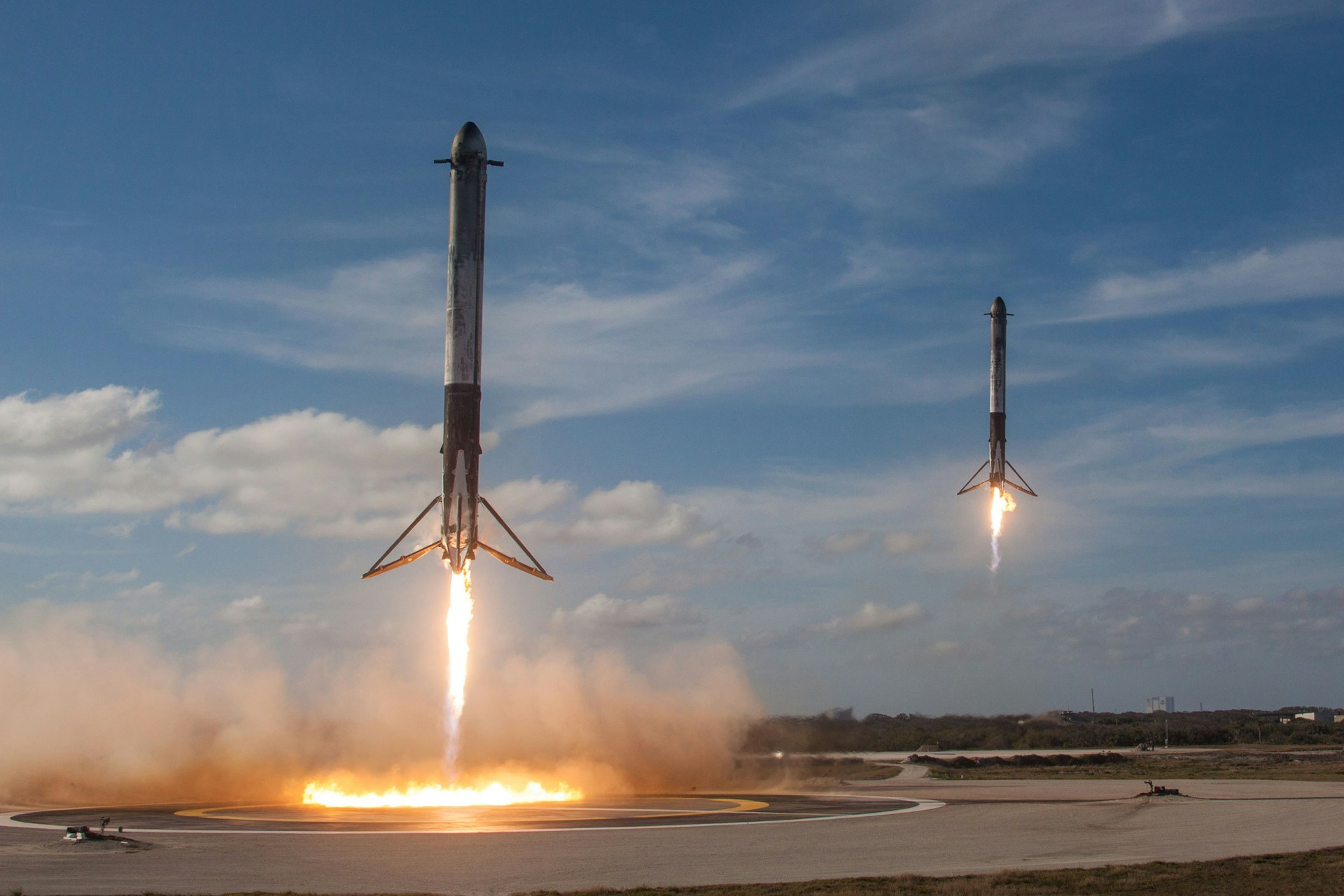
SpaceX didn’t transform spaceflight by having perfect ideas. They collapsed the time between ideas and reality. Failing fast, learning quickly, and iterating relentlessly.
AI creates the same dynamic for knowledge work, letting us move from intuition to articulation to revision in hours instead of weeks.
Engineers rely on wind tunnels to test aircraft designs before committing real materials and lives. AI does this for thinking.
Iteration itself isn’t new. What’s new is the scale for iteration that we now have at our fingertips. We can explore multiple paths, abandon weak directions quickly, and refine promising ones without the time, coordination, and risk that once kept ideas locked in our heads.
When iteration becomes inexpensive, we can take more intellectual risks and shift from trying to always be right to trying to always get better.
It’s ironic that as iteration is becoming cheaper and faster with AI tools, human judgment becomes more valuable. Someone still needs to know what’s worth developing, what deserves refinement, and when something is complete rather than exhausted.
The intelligence was never in the machine. AI simply gives us the capacity to develop ideas, test them against reality, and learn from the results at a scale and speed we’ve never had before.
Iteration at scale changes what’s possible. Judgment determines what’s worth pursuing.
Photo by SpaceX on Unsplash – when SpaceX proposed the idea of landing and reusing their rocket boosters after each launch, the idea seemed impossible. Now it’s happening about 3 times per week…and they’re just getting started.
Please share this post if you found it valuable…
 Grandpa Bob Encouraging Leadership
You must be logged in to post a comment.