Always Be Coaching

In sales, there’s an old saying that has echoed through offices and training rooms for decades.

Always be closing.

It’s meant to keep the salesperson focused on their end goal. Keep the deal moving forward. Stay alert to opportunity. Maintain momentum.

Over the years, I’ve come to believe leaders need a different version of that advice.

Always be coaching.

As a leader, your mission is to develop the people who will come after you. You lift others through quiet, daily work that helps them grow. Your job is to bring out the best in yourself and in the people who will eventually step into your role. Coaching drives growth and keeps it moving forward.

Coaching your team is a way of saying, “Your future matters to me.” Coaching your children says, “I believe you have more inside you than you can see today.” And coaching yourself acknowledges the simple truth that growth must continue throughout life, especially for the leader.

Great coaches do more than explain ideas. They create space for practice. They help others turn new knowledge into muscle memory. They offer challenges sized just right for the moment. They ask questions that change how a person thinks about a problem. They reveal a new angle or a new path forward when something feels unsolvable.

Coaching takes learning to the next level. You learn something. You put it into practice. Then you pass it on. Teaching anchors the lesson. It deepens the insight. It turns wisdom into a gift you can hand to others.

Coaching doesn’t require perfect knowledge. It requires humble generosity. Share the insight you gained from yesterday’s challenge. Share the questions that helped you see an issue more clearly. Share the perspective that lifted your confidence when you needed it most.

Leadership is a relay. Someone handed the baton to you. One day you’ll hand it to someone else. The best leaders prepare the people who will run ahead long after they’ve finished their leg of the race.

Who have you coached today?
This week?
This month?

This is your responsibility. Your opportunity. Your mission.

Always be coaching.

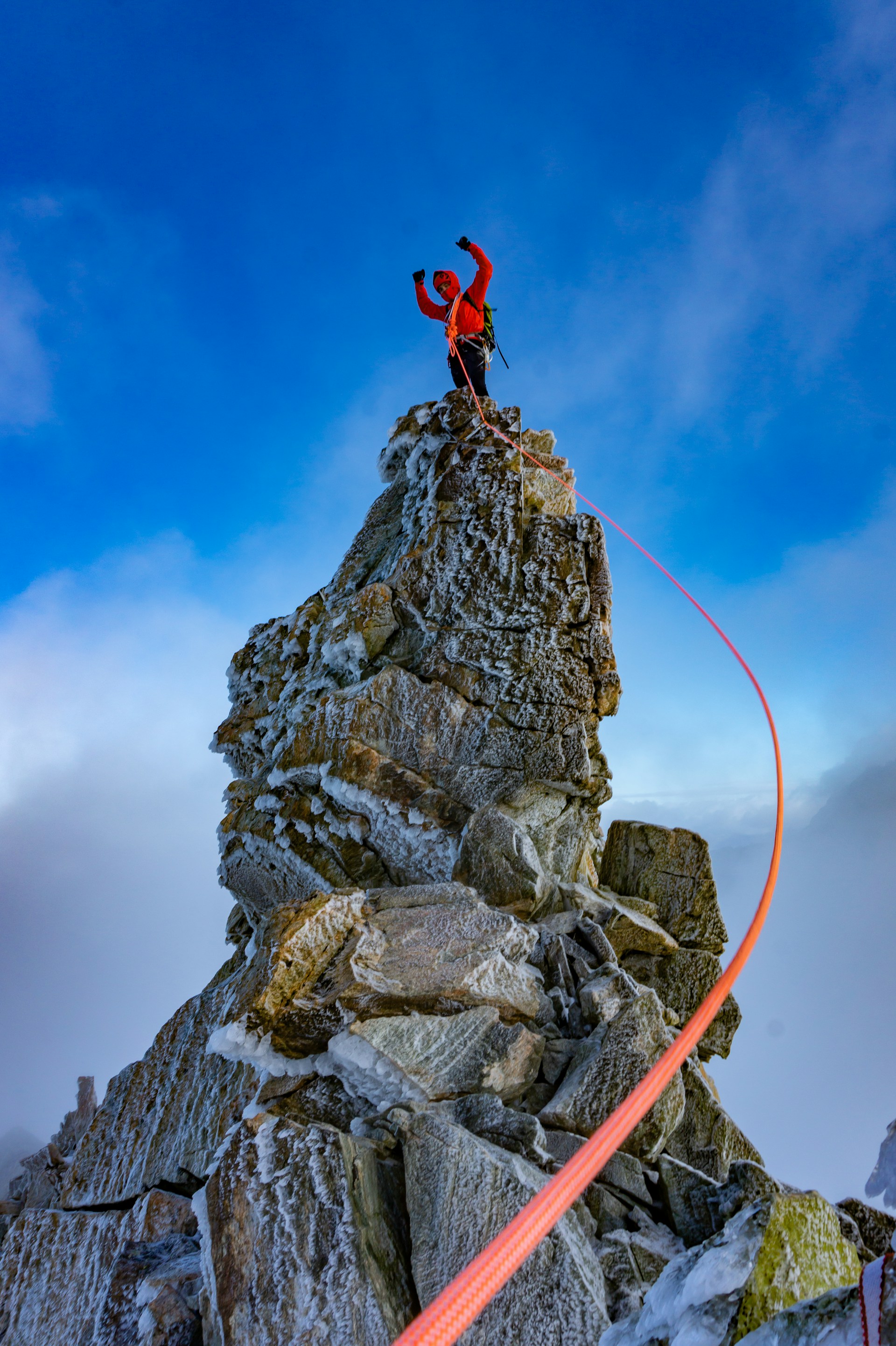
Photo by Sylvain Mauroux on Unsplash – who are you helping to climb their next mountain?

How Limits Bring Art to Life

Inspired by G. K. Chesterton

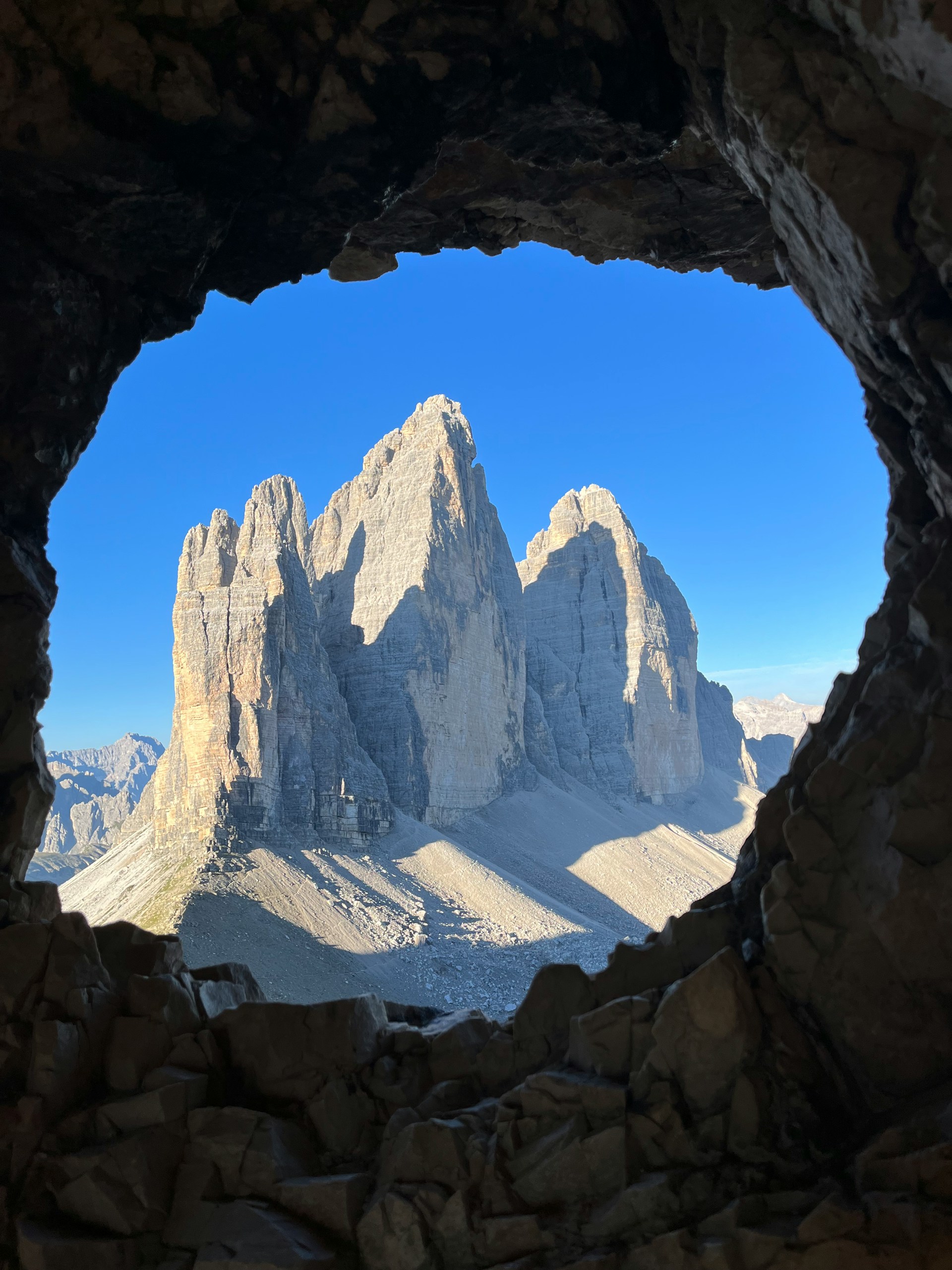
I’ve come to believe what Chesterton once said. Art is limitation, and the essence of every picture is the frame. It took me time to see that truth.

Many of us grow up thinking freedom creates great work. Unlimited time. Unlimited canvas. Unlimited choice.

But if you’ve ever stared too long at a blank page, you know what real freedom can feel like. Paralyzing.

Nothing takes shape until the edges appear. A story waits forever if the writer can’t decide where it begins. Music is noisy until the composer chooses a key. The frame gives the work its purpose.

The same is true in leadership and life. A budget helps us decide what we value. A deadline turns a dream into something real. A small team learns to trade excess for imagination. Limited resources push us to invent new ways to adapt. The frame brings focus.

Still, the frame itself matters. A picture can feel cramped when the frame becomes too tight. A project can drift when the wrong thing fills the center. When the boundaries are off, the whole image loses clarity. That’s why wise leaders spend time defining the edges before the work begins.

Whenever I work on a puzzle, I start by finding all the edge pieces. Once the border comes together, I can see how everything else might fit. The same principle applies to creative work and leadership. The edges give us context. They help us imagine where the middle pieces belong and how the picture will come to life.

Frames should change as we grow. The world shifts. We learn more about what we’re building. Every so often, we step back and see whether the picture still fits. Sometimes the frame needs widening. Sometimes the colors need more light. Adjusting the frame keeps the beauty true.

Constraints give possibility its shape. They reveal what truly matters. Choosing the right limitations helps us see what is essential.

When you feel boxed in or limited, pause before you push against the edges. The frame around your work may be the very thing helping the picture appear. And when the picture becomes clear, refresh the frame so the beauty within it continues to grow.

Thanks to James Clear for sharing this G. K. Chesterton quote: “Art is limitation; the essence of every picture is the frame.”

Photo by pine watt on Unsplash

Bring Them On the Journey

You can tell people what to do, and sometimes that’s the right call. Yet, direction without participation creates compliance instead of commitment.

When people understand the purpose, see where they fit, and have a voice in the direction, they’ll take emotional ownership.

The best leaders invite that ownership by asking questions that open doors to insight. What are we missing? What would you try? Where do you see the risk? These questions are invitations to shape the work and the results.

When a product manager asks her team, “How would you approach this?” instead of presenting a finished plan, the solutions that emerge are sharper, and the team building them gets stronger.

Humans are built for both independence and belonging, desires that often pull in different directions. Wise leaders guide this tension well. They give people space to grow while connecting them to something larger than themselves.

To bring others on the journey is to build together. Growth is shared. Trust expands. When the path gets steep, they’ll keep climbing with purpose.

They remember the reasons, because they helped shape the path.

Photo by Powrock Mountain Guides on Unsplash – Unsplash has a ton of amazing hiking photos, mountain climbing photos, pictures of maps, legos, and winding paths. All would have represented the themes of this post admirably. But this photo caught my eye.

How do you see it connecting to this post? What makes this photo stand out? How hard do you think it is to hike across to that gleaming white mountain in the distance?