When faced with overwhelming and unwieldy tasks, the metaphor about “eating the elephant” reminds us that the only way to tackle it is one bite at a time.
Whether it’s a major project, a personal goal, or a tough decision, the key is to start. Too often, we fool ourselves and others by dancing around the elephant, procrastinating or overplanning.
This dance—making elaborate plans, seeking endless advice, or justifying delays—can feel productive but only serves as a distraction. Real progress begins with that first bite.
Start somewhere, however small, and build momentum from there.
I always encourage strong leadership. I extol the value of leaders who take bold action, make decisions, who are prepared to fail, learn, and try again…all in the pursuit of excellence.
The President of the United States is often called “the leader of the free world.”
Maybe that’s why the moment I heard that President Biden is ending his reelection campaign today, and endorsing Kamala Harris for the job, I immediately started thinking of the things a strong leader would do with this opportunity.
So, here’s my short list of what Kamala Harris should do over the next 10 days:
She must take bold and decisive steps to show that she is presidential material; that she is the leader the country needs. This will mean stripping away the layers of spokespeople, surrogates, and others who often represent our political leaders. This effort is 100% on her and her alone, as the strong leader she wants voters to see.
She should immediately schedule 30-minute live interviews with anchors of each network (ABC, NBC, CBS, FOX, MSNBC, CNN, OANN, etc.), and 30-minute interviews with the top 10 podcasts (both liberal and conservative).
Making these interviews “live” events does two things:
Shows that she doesn’t need teleprompters, jump-cuts, or any other gimmicks to handle questions from news anchors or podcasters.
Shows that she can energetically express and articulate her vision for the next four years, and competently address questions from all sides of the political spectrum.
She should travel to 7-10 of the most contentious (“battleground”) states, visiting multiple cities in each of the states to hold campaign events. She should invite each of her potential VP hopefuls to attend as well so she and the nation can see what they have to offer in this “new” post-Biden environment.
When reporters ask her about the 25th Amendment and why she hasn’t attempted to invoke it over the past year, she should state that while she hasn’t seen the need up to this point, she will be evaluating that need considering what’s taken place over the past 30 days.
This will put the nation and the President on notice that she may take action between now and January 20, 2025, if necessary. It will also allow her to step further outside of his shadow and stand on her own.
Does Kamala Harris have what it takes to show this type of strong and bold leadership? Does she have the energy and drive to pull this off?
We shall see.
She often says we should focus on “what can be, unburdened by what has been.”
I’m working on an autobiography of sorts. It’s a compilation of my answers to a series of questions. There are about 75 of them that act as prompts. Here are some examples:
Tell me about your childhood home.
What were your school days like?
What was your favorite fashion trend when you were a kid?
How did you meet your spouse?
The idea is that my kids and grandkids and anyone else who’s interested can learn more about my life as they read through my answers to these questions. It’s been a fun project that I’ve been working on over the past 3-4 months.
I just finished answering this question and thought I’d share my answer here:
Can you share a favorite quote or saying of yours?
Life is a journey, not a destination.
I’m not sure who said this first. It’s something I said for years before learning that it was a famous quote from someone else. Turns out there are posters and artwork that you can buy that highlight this quote. Maybe I saw the quote decades ago and it lived in my subconscious mind until later in life.
I don’t have anything against goal setting or visualizing a future and going after it. But it’s important to avoid having tunnel vision in your pursuit of goal achievement since you may miss other opportunities and experiences that introduce themselves along the way.
I’m reminded of a drawing of a stickperson on a ladder. They are locked in on their goal: reaching the top of that ladder before anyone else. This person even jumps over someone and kicks another person off the ladder in their effort to reach the top first. When this person finally reaches the top, they find that the ladder doesn’t actually lead anywhere. Their ladder is standing in the air and not leaning against anything.
The lesson is to make sure the ladder you’re climbing is going somewhere you really want to go.
When you reach your goal, no matter how lofty and difficult it was to achieve, you are merely at a new starting point or more accurately, you’ve made it to one of an infinite number of stops in your life-long journey.
The real goal should be to maximize your enjoyment of the journey itself. To appreciate the small things that happen, the surprises, the diversions, the successes and the failures, the people you meet, and the places you get to experience along the way.
Life is that thing that happens while you’re busy making other plans.
This one is closely related to the first quote. Life is a series of “nows” that are happening in real-time. You can make plans, point yourself in a particular direction, and even tell yourself that you’re in control of all the things that are happening in your life (spoiler alert – you’re not in control of all the things, you only control your response to all the things).
The time to start something new or something that will improve your life is always six months ago. While you’re busy talking about your future, it’s already happening. That thing you’re thinking about doing today but procrastinating while you do more planning will become that thing you should have done six months ago.
Plans are valuable, and you should have a broad plan with some key pillars that you can stand on throughout your life. It’s equally important to avoid hiding behind the planning phases of your life and forgetting to live your life purposely. It turns out that life’s happening anyway, so you might as well live it proactively and not reactively.
These are the good times.
The shortened version of this among friends is, “Good times.” Meaning these are the good times we’ll look back on fondly when we get older. No matter how screwed up something is, or how hard the thing you’re doing right now is, or how much you just failed… all of it will be lumped into your mind and memory as “good times” from your past.
In fact, some of your worst life experiences or life failures might even become the fondest memories you share in the future. You might reflect on how great something was, or how it was good that you had that failure or that heartbreak so you could apply what you learned later in life.
It’s unfortunate that we usually don’t realize this when these things are happening to us in the present.
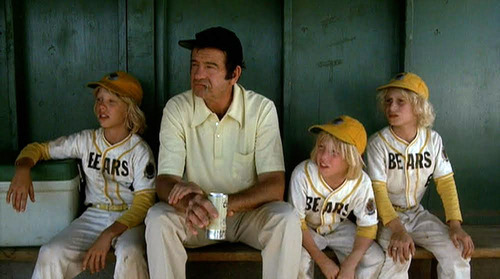
Park league baseball season came to an end recently. We had four grandsons between the ages of 8 and 10 playing on teams. The teams had a few “veteran” players, but for most of the players this was their first experience playing organized baseball. They had a lot to learn…and we saw amazing improvements in all the players in one short season.
It’s clear that the lessons they learned can extend far beyond the field, if we are willing to pay attention.
Panicking When the Ball Comes
My most vivid memory from the season is seeing the panic for many of the kids when the ball would come their way. Will they catch the ball? Where will they throw it once they have it? Do they know why they’re throwing it in a particular direction? Will the player they’re throwing to catch the ball?
The drama was real. It was clear that a lot of the kids didn’t expect the ball to come toward them. I saw a few kids jump away from the ball to avoid fielding it.
As a spectator, it’s easy to see what’s happening. It’s easy to assume that surely, we’d field the ball properly, and immediately know where to go with the play.
It’s not always as easy as it looks. Unexpected situations arise, and our response (or lack thereof) can significantly impact what happens next. Learning to stay calm and doing some pre-thinking about our actions (before the play) will significantly improve our chance of success.
Understanding Game Situations
Many young players struggle with understanding the game situation—who’s on base, how many outs are there, what’s the best play to make when the ball comes to them, and how to act strategically.
This lack of situational awareness highlights a crucial lesson: the importance of context and awareness in decision-making. Understanding the bigger picture allows for more informed and effective actions. The coaches encouraged the kids to think ahead (pre-thinking) and consider various outcomes. Whether the kids listened and embraced their advice was another thing entirely.
Are you thinking about your “game” situation? The macro and micro aspects of the challenges you and your organization are facing. Are you thinking ahead and considering various outcomes as part of your decision-making process?
Learning the Basics: Throwing and Catching
It’s not uncommon for young players to throw the ball the wrong way or miss it entirely. These fundamental skills require practice and patience. This aspect of the game underscores the importance of mastering basics before tackling more complex tasks. In any field, solid foundational skills are essential for success. Nearly every pursuit or profession has basic foundational skills that need to be mastered along the way toward more advanced skills. A football analogy fits well here…it’s important to understand the blocking and tackling part of the game before you can advance to running with the ball.
Position-Specific Skills and Aspiration
In youth park league baseball, most of the hits stay in the infield. This leaves the outfielders without much to do. I heard lots of outfielders wishing they could play an infield position like second base, or catcher. None of them understood what those positions entailed, but they knew that those positions had more action.
A few of them took the time to learn about the infield positions from their coach. They showed their interest and willingness to work their way to the infield. This shows the value of preparation and skills development. It’s important to work on the necessary skills before aiming for a specific role, whether in sports or any other endeavor. It also emphasizes the value of seeing a goal and then taking the concrete steps to learn, grow, and achieve that goal.
Strikeouts Aren’t Failures
Consider that an excellent hitter in the big leagues gets a hit about 30% of the time. They may get walked occasionally, but the rest of their at bats result in fly outs, ground outs, or strikeouts.
We saw a ton of strikeouts this past season. I was always impressed with the kids who struck out and immediately came back to the dugout to ask their coach what they should be doing to avoid striking out next time. Each strikeout was a learning opportunity…but only if the player saw it that way.
We saw a few kids melt down in disappointment and embarrassment. One kid from an opposing team stomped off the field and took himself out of the game (an extremely negative response to be sure).
When things go wrong, or we don’t get the result we want, that’s the time to buckle down and learn why it happened. Consider ways to improve so the results can improve next time. It’s only a failure if you give up.
Teamwork and Collective Goals
We are all self-centered. As we mature, we usually learn how to control our self-centeredness or at least how to channel it productively. Ten-year-old kids are no different. Their focus is on their own performance. Whether or not they’re hitting the ball. Whether or not they made the right play.
They often forget that the goal is for their team to win. They can help the team achieve that goal by having a strong performance, but also by helping and supporting their teammates. This is a powerful reminder of the importance of teamwork and the collective effort required to achieve a common goal. It’s easy to get caught up in individual performance, but true success usually comes from working together and supporting each other. Collaboration and shared successes build strong teams. Strong teams create successful outcomes.
Consistency Matters
Ask an excellent bowler, pitcher, batter, shooter (basketballs or bullets), pole vaulter, or pickle ball player how they deliver such excellent results. They’ll mention practice, dedication, and a strong mental approach. Eventually they’ll talk about consistency. Each of these pursuits (and countless others) require consistency above all else. The exact motions, body positions, eye contact, and calmness of breath that they can count on happening whether they consciously think about it or not.
Their practice process is all about achieving repeatable actions that their body remembers…every time. They also know that they aren’t swinging for the fences every time they’re at bat, not trying to set the world record or do something extraordinary with every outing.
They are working to become a steady and consistent performer at the highest level possible…and always reaching a little higher.
Consistency, patience, and incremental progress should be the goals…repeatable excellent outcomes will happen as a result of achieving these goals.
Park league baseball is a ton of fun. The drama is real. Teams experienced the “thrill of victory and the agony of defeat” throughout the season. We saw players improving and gaining confidence as the season unfolded.
I don’t know where the teams ended up in the standings at the end of the season.
I know the kids learned a lot and hopefully they’ll incorporate some of what they learned well beyond the game.
Management is an active responsibility. It requires timely decisions and actions.
When managers delay addressing issues, providing support, or offering guidance, it has detrimental effects on both employees and their organization. This form of extreme procrastination, delayed management, erodes trust, hinders efficiency, and can cause long-term damage.
Delayed management occurs when managers, consciously or subconsciously, avoid performing their duties. They may fear confrontation, they may be overwhelmed, or they might just be lazy. Unlike regular procrastination, delayed management specifically involves neglecting critical managerial responsibilities.
When managers delay, employees feel neglected and undervalued. This can lead to decreased motivation and trust. Employees might interpret the manager’s inaction as a lack of belief in their abilities or interest in their well-being. Delayed management stalls projects and misses opportunities.
Picture a small water leak in your walls that goes unnoticed for weeks. The water continues to seep, causing mold to spread and wood to rot. By the time you notice the damage, extensive repairs are necessary. Delayed management causes similar deterioration within an organization, where small issues fester and become major problems.
Managers may fear making the wrong decisions or confronting difficult situations, leading to a cycle of inaction. High workloads and stress can cause managers to feel overwhelmed, making it easier to delay tasks. Some managers assume that someone else will handle the problem, leading to inaction.
Each of these are reasons, not excuses, for delaying management. For employees, none of these reasons matter. The employees’ success relies on their managers doing their job…providing direction, feedback, and expending management energy on behalf of their employees. There is no excuse for delaying management.
Managers should adopt proactive techniques such as regular check-ins with team members and timely feedback. Setting aside dedicated time each day for management tasks can help prevent delays. Effective delegation can distribute workload and empower team members, reducing the burden on managers. Implementing systems to hold managers accountable for their actions ensures they remain committed to their responsibilities. Regular performance reviews and feedback loops can help identify and address delayed management behavior early on.
Delayed management is a silent threat that undermines employee trust, hinders organizational efficiency, and causes long-term damage. Managers can foster a positive work environment and drive organizational success…but only if they do their job without delay.
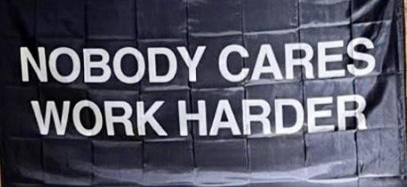
p/c – I saw this sign recently and loved its simple and direct message


 Grandpa Bob Encouraging Leadership
You must be logged in to post a comment.