
When you watch a five-year-old, a ten-year-old, even a twelve-year-old create, you see what unfettered creative freedom really looks like. Whether it’s a drawing, a Lego tower, or a clay sculpture, they throw themselves into the process with joyous abandon. In their mind, they can see clearly what they’re making. They know why they’re making it. And there’s almost always a story behind it.
They aren’t self-conscious. They aren’t trying to impress anyone. Sure, they like to show their creations to parents, grandparents, and teachers. But their motivation isn’t just about approval. It’s about expression.
Most children are free from the baggage of expectation. They don’t wonder if what they’re making is good enough. And when they finish, they move right on to the next thing. Their self-worth isn’t tied to the outcome. The value of the work comes from their own perspective, not from what others think.
But around age thirteen (sometimes earlier) things change.
After years of chasing approval, learning the “right” way to do things, being graded and corrected by well-meaning adults, something fundamental happens. Their freedom to create without judgment slowly gets buried. Doubt takes root. Worry about what others might think starts to shape their process. Fear of looking foolish holds them back.
And as the years pass, it only gets worse.
Tell someone you’re going to take up oil painting, stained glass, sculpture, or any new creative pursuit as an adult, and they’ll likely have two reactions: a polite smile of encouragement, and quiet skepticism that anything worthwhile will ever come of it.
Starting something creative as an adult feels strange. It’s outside the bounds of what “normal” people do. It’s far easier to stay in line, avoid looking foolish, and sidestep the discomfort of being a beginner again.
But we are all beginners at birth. Even the rare prodigies had to take their first step (the one that happens long before we see the gifted 5-year-old who can play a piano concerto). For the rest of us, every new skill—whether it’s creative, practical, or professional—requires courage, repetition, failure, and patience.
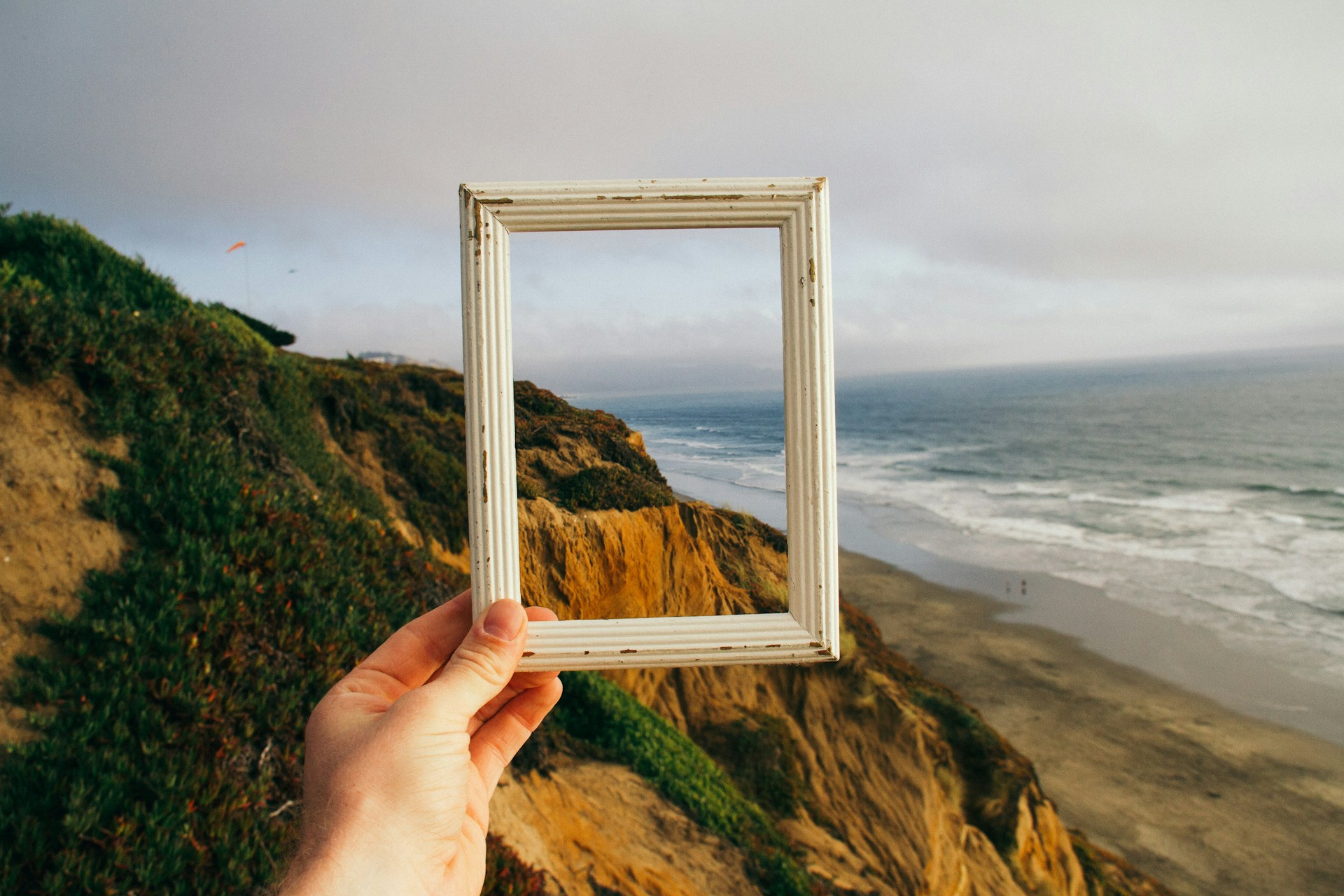
I’ve learned that when I let go of expectations (not easy) and stop worrying about looking foolish (also not easy), the magic happens. With this new frame of reference, trying something new, something creative, or something unfamiliar, brings a new energy having nothing to do with the outcomes.
It doesn’t seek approval or chase productivity. It simply opens the door to wonder—something we often unlearn as we grow older.
I’m lucky. I get to spend time with my grandchildren, who remind me what fearless creativity looks like. They show me that learning and creating, and the fun we have along the way, are all that matters.
Maybe we all need a little more of that.
To create like children again.
 Grandpa Bob Encouraging Leadership
You must be logged in to post a comment.