
In the early 1990s, the term Peace Dividend appeared in headlines and boardrooms. The Cold War had ended, and nations began asking what they might gain by redirecting the resources once committed to defense.
Today the conflict is between our old ways of working and the new reality AI brings. After denial (it’s just a fad), anger (it’s taking our jobs), withdrawal (I’ll wait this one out), and finally acceptance (maybe I should learn how to use AI tools), the picture is clear. AI is here, and it’s reshaping how we think, learn, and work.
Which leads to the natural question. What is our AI Dividend?
Leaders everywhere are trying to measure it. Some ask how many people they can eliminate. Others ask how much more their existing teams can achieve. The real opportunity sits between these two questions.
Few leaders look at this across the right horizon. Every major technological shift starts out loud, then settles into a steady climb toward real value. AI will follow that same pattern.
The early dividends won’t show up on a budget line. They’ll show up in the work. Faster learning inside teams. More accurate decisions. More experiments completed in a week instead of a quarter.
When small gains compound, momentum builds. Work speeds up. Confidence rises. People will begin treating AI as a partner in thinking, not merely a shortcut for output.
At that point the important questions show themselves. Are ideas moving to action faster? Are we correcting less and creating more? Are our teams becoming more curious, more capable, and more energized?
The most valuable AI Dividend is actually the Human Dividend. As machines handle the mechanical, people reclaim their time and attention for creative work, deeper customer relationships, and more purpose-filled contributions. This dividend can’t be measured only in savings or productivity. It will be seen in what people build when they have room to imagine again.
In the years ahead, leaders who measure wisely will look beyond immediate cost savings and focus on what their organizations can create that couldn’t have existed before.
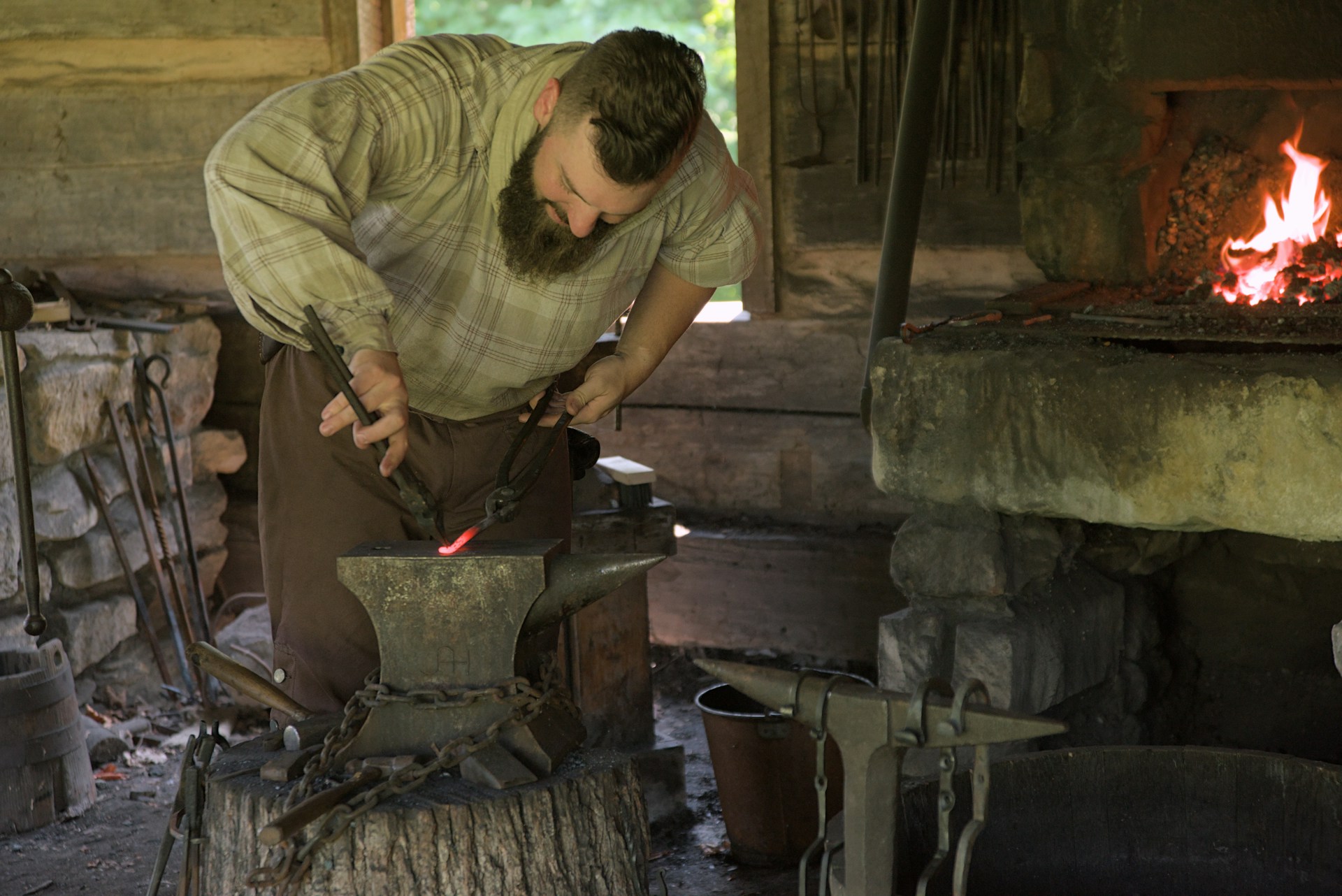
Photo by C Bischoff on Unsplash – because some of the time we gain from using AI will free us up to work on non-AI pursuits.

 Grandpa Bob Encouraging Leadership
You must be logged in to post a comment.