
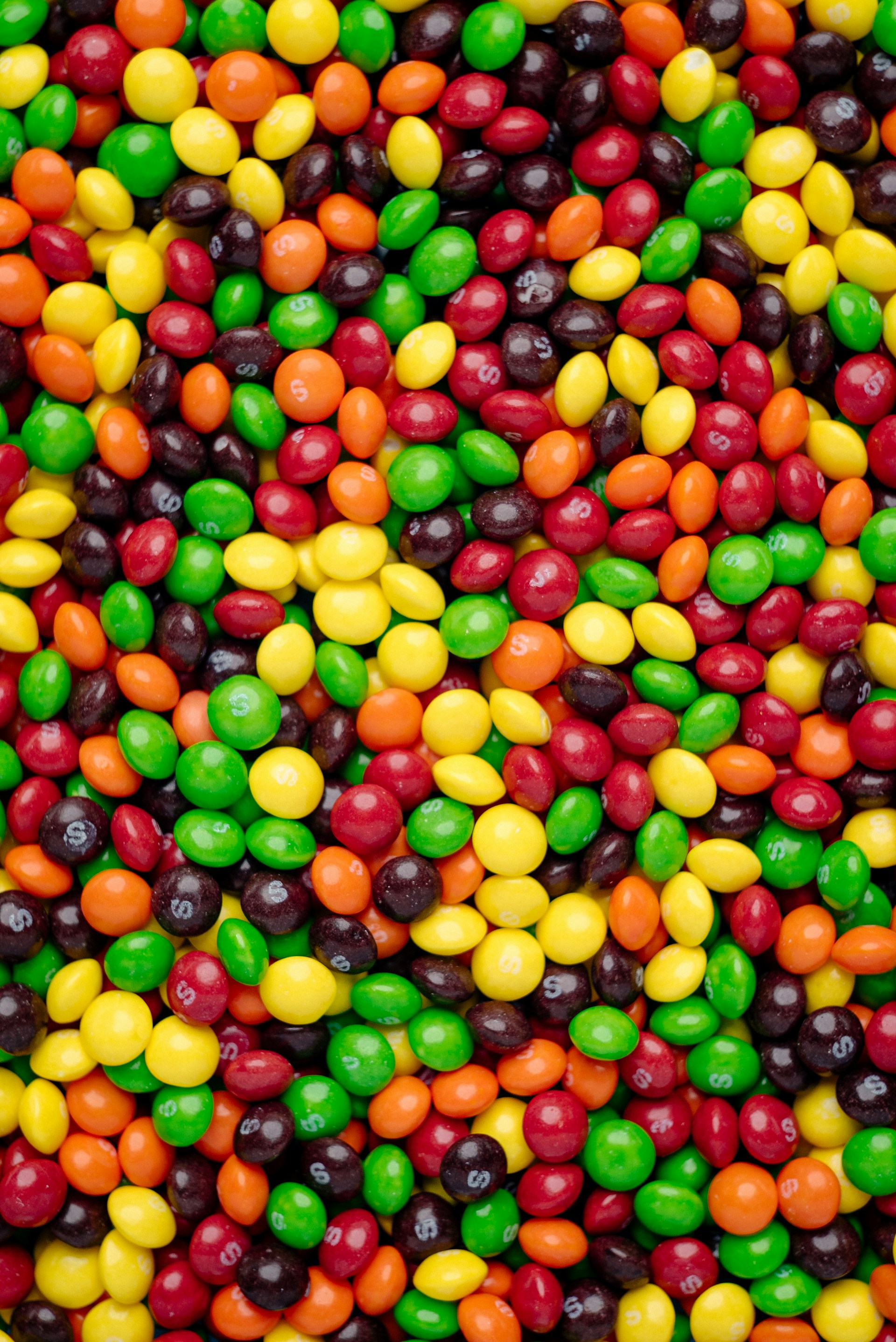
After a long day, I love brain candy.
Give me something funny, something distracting, something that asks almost nothing from me. If I accidentally learn something along the way, great. Bonus. But the goal is to let my mind relax and enjoy the ride.
So there I was, doing exactly that. Reading a Substack post about the music industry, the way you read things when you’re unwinding, when an innocuous phrase popped up.
Emotionally anonymous.
The writer was talking about AI-generated music and how the current culture around it was producing art that had all the right shapes and none of the soul. Music that sounded like music but felt like nothing.
This wasn’t just about music.
Think about the last hour you spent scrolling.
A video that made you laugh. A post that made you mad. A headline that informed you for about twelve seconds. A clever line made you nod. A song clip gave you a little lift.
Then it was gone.
Not just gone from the screen. Gone from you.
You can barely remember what you just watched. You remember the feeling, maybe. A little spark. A little hit. A small taste of something sweet.
Brain candy…but all the time.
The sensation of engagement without any connection.
Not that everything has to be deep. Some things are supposed to be brief. A joke. A smile. A beautiful moment.
But brief isn’t the same as disposable.
It feels like we’re living in a world designed to make nearly everything disposable.
Even feeling. Especially feeling.
We scroll past outrage. Beauty. Someone’s best day and someone’s worst day. A song that took three minutes to generate or a song that took thirty years of pain to write.
Our screen treats them almost the same.
Here. React. Move on.
Here. React. Move on.
A little joy. A little envy. A little anger. Some nostalgia. Maybe a little self-righteousness. A laugh.
Next.
I’m not sure what it all means, but it has something to do with attention versus memory.
I wonder if we’re training ourselves to prefer things that ask almost nothing from us, except our attention.
Things that arrive pre-approved for whatever emotional response the algorithm thinks we’re most likely to want.
Which is where Wordsworth comes in.
A strange leap…mindless scrolling to Wordsworth.
But maybe it isn’t strange at all.
He wrote that poetry “takes its origin from emotion recollected in tranquillity” (Yes, he spelled tranquility with an extra L).
What’s a recollected emotion?
It’s that song that comes on and suddenly you’re seventeen again, in a car you thankfully no longer own, with people you haven’t seen in over forty years, feeling something you thought you’d forgotten.
You’re not only remembering it. You’re back inside it.
That’s what recollection does. It transports us. In milliseconds, today’s experience reaches back and finds the first time we felt this way, the moment that wrote itself into us.
We’re not just reacting to what’s in front of us. We’re connecting to something foundational, something that helped make us who we’ve become.
That’s the opposite of what the stream offers.
The stream triggers. It harvests. It optimizes for our reaction and moves on before that feeling has anywhere to go.
Recollection goes the other direction. It reaches back, finds the root, and pulls the past into the present. You recognize something. You don’t just remember it.
Real human art has a before and after inside it.
An arc.
Something happened. Someone lived it. Suffered through it, laughed about it, misunderstood it, got it wrong, got it more right, carried it into the quiet, and then tried to make something from it.
A song. A poem. A letter. A photograph. A few lines written late at night when the house is quiet.
The best things don’t merely strike us. They return to us. They become part of who we are.
Then AI enters the room, because of course it does. AI enters every room now.
Music. Writing. Images. Speeches. Lesson plans. Poems. Emails. Stories. Birthday notes. Condolence letters.
Some of it is really good. Or at least good looking.
Smooth. Clean. Properly structured. Emotionally shaped. Technically impressive.
But sometimes nobody seems to be there.
The work has the structure of feeling but not the experience behind it.
It sounds sad but it’s never been wounded. It sounds wise but it hasn’t made life-altering mistakes. It sounds compassionate but it hasn’t loved anyone. It sounds brave but has never faced real fear.
That’s what emotionally anonymous means to me. And once I saw that phrase, I’ve started to see it a lot.
It would be simple to say AI is fake and human work is real.
That’s a clean line. It’s also not quite true.
A person using an AI tool can still be struggling with the work. Still shaping it. Pushing back. Adding their own history. Rejecting lines that sound impressive but don’t feel true. Working until the piece finally says what they were trying to say.
The presence of a tool doesn’t erase the presence of the human.
But it does raise the responsibility of the human in the loop.
There’s a big difference between asking a tool, “Make me something about this topic,” and asking, “Help me understand what I’m trying to say.”
One produces emotionally anonymous content.
The other can be part of a real human process, because the human is still leading. Still choosing. Deciding what matters. Still saying No, that’s too slick. No, that sounds like something but says nothing. No, that isn’t what I mean. Cut that. Keep this. Slow down here.
That’s not outsourcing the soul of the thing.
A pen is a tool. A typewriter is a tool. A paintbrush and camera are tools.
Tools have always changed our work. Sometimes they’ve cheapened it. Sometimes they’ve expanded it. Sometimes they’ve made the impossible possible.
The question isn’t whether a tool was involved.
The better question is whether the human surrendered the work or entered it more deeply.
Did they bring judgment? Did they bring care? Did they resist the easy version?
Did they leave fingerprints?
As people get used to receiving AI-generated content, truly human work may become harder to recognize. A picture might be dismissed as AI-generated. A carefully written essay treated as machine polished. A handmade story received with a shrug.
Did they really make that?
That little question changes something.
Someone may have poured time, discipline, revision, taste, failure, and care into a piece of work, only to have it discounted as another product of the machine.
What a strange burden to place on work that’s already hard enough to make.
Maybe our fingerprints will become more valuable precisely because they’ll become harder to fake and easier to overlook.
Maybe the rough edges will matter more. The old scars. The sentence that sounds like a real person from a real place with a real history.
The human voice will have to become more human. Less generic. Less inflated. Less smooth. Less afraid of being specific. Less afraid of carrying the marks of a life.
Because the stream won’t slow down.
The brain candy will get sweeter. The generated songs will get better. The images will get more convincing. The essays will get cleaner. The machines will become more fluent in the language of feeling.
But fluency isn’t witness. It never was.
The human has to stay in the work for more than just quality control. To preserve something the machine can’t supply. The fact that a real person was there, and it mattered to them.
I don’t want fewer tools. I don’t want people to stop making things because the machine can make an excellent version too.
But I do want us to remember the difference between a reaction and something that stays with us. Something made quickly to catch us, and something made carefully enough to keep us.
I want us to protect the fingerprints.
The hesitation. The humor. The experience.
The strange little detail nobody would invent unless they had really been there. The line that isn’t perfect but is alive.
Brain candy will keep giving us the sensation of feeling.
But the things that last will still need something more.
They’ll need recollection and witness.
They’ll need fingerprints.
Credit to Joel Gouveia, who showed me the phrase “emotionally anonymous” in his Substack piece. Something I’ve been noticing for a while but didn’t have the words to describe.
Photo by Karsten Winegeart on Unsplash – because Skittles are awesome.


You must be logged in to post a comment.