

The first version of almost anything is an act of discovery. We’re learning in real time, usually without understanding what we’re building. We don’t yet know which parts will matter, which ones deserve less attention, or where the challenges are.
The first version is shaped by assumptions. Some accurate, others incomplete. It’s often held together by optimism and a willingness to learn as we go.
The first generation isn’t meant to be polished or permanent. Its purpose is proof of life.
Does this idea work at all?
Do we enjoy pursuing it?
Is there something here worth continuing once the novelty fades?
Many ideas never move beyond that first stage. Excitement gives way to routine. Maintenance enters the picture. It’s decision time.
Is this something I’m willing to own, or was I simply exploring an interesting possibility?
If the answer leans toward exploration alone, the idea stalls, usually forever. It never makes the leap from curiosity to commitment.
That leap matters.
William Hutchison Murray said it well, “Until one is committed, there is hesitancy…the moment one definitely commits oneself, then Providence moves too.”
The second generation begins at that moment of commitment.
If we choose to begin version two, everything changes.
We’re no longer experimenting or learning if this idea works. We’re deciding that it matters enough to carry forward.
We’re operating with experience now. We’ve seen where effort was misdirected and where the momentum came from. We understand which details carry lasting value and which ones only seemed important at first.
More importantly, we own it now.
That’s why the second generation feels heavier. The weight of responsibility belongs to us. We know too much to pretend otherwise.
An idea that survives long enough to earn a second version has already passed an important test. It has encountered reality and endured.
The first generation asks whether something can exist. The second generation answers whether it should continue.
From there, our work evolves. Spontaneous ideation turns into direction. The purpose becomes clearer than the feature set. Identity begins to emerge.
This is how we do it.
This is what matters.
This is what we’re willing to stand behind.
The second generation is the foundation for everything that follows…far more than the first. It establishes patterns, standards, and expectations for what comes next.
Tackling version one takes courage. But finishing that version is only part of the journey.
The deeper test lies in beginning again. This time with clearer eyes, better judgment, and full ownership of what we’re building.
We move from discovering what we could build to owning what’s truly worth building.
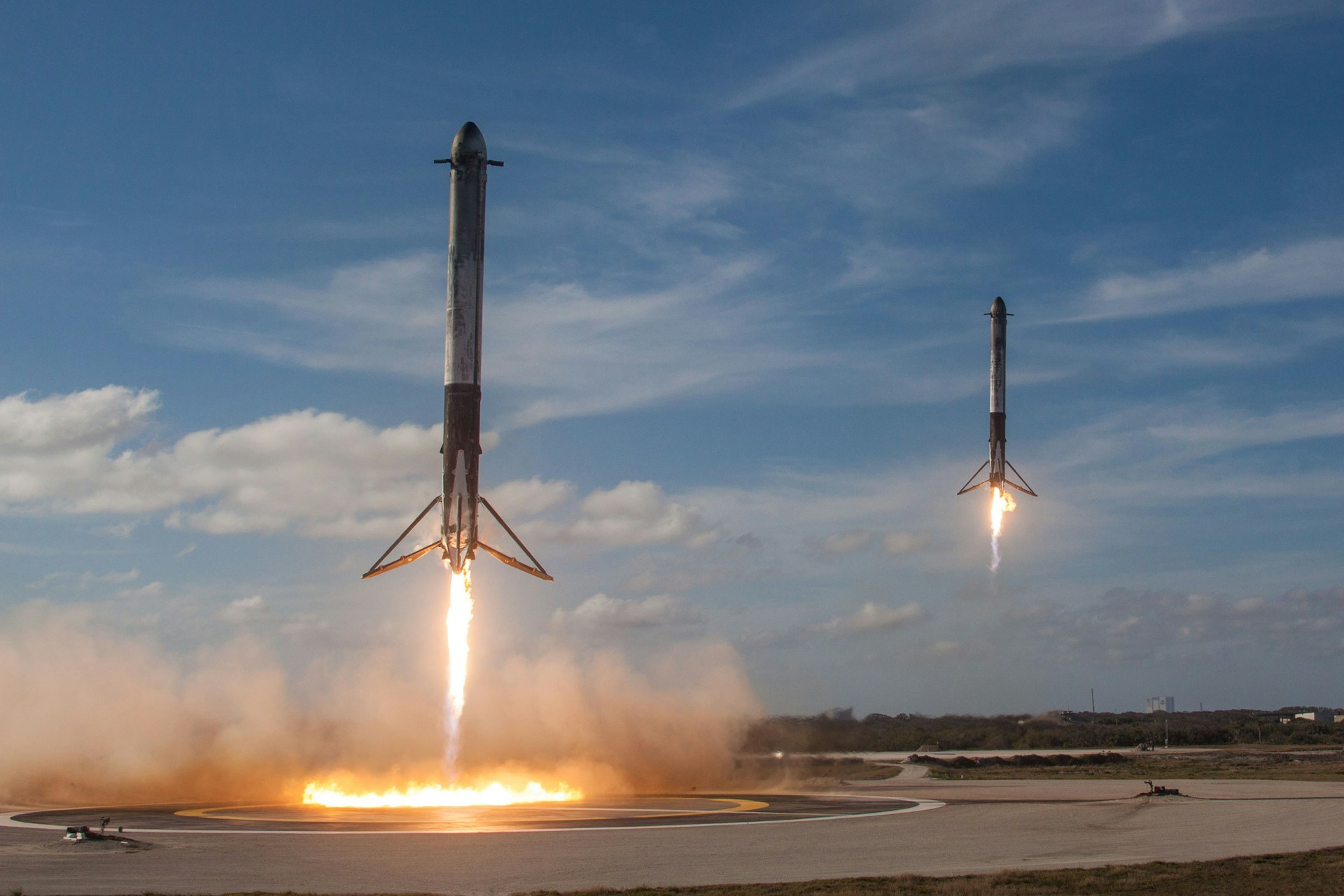
Photo by Ivan Aleksic on Unsplash
If you know someone standing at the edge of a second generation, feel free to pass this along to them.

 Grandpa Bob Encouraging Leadership
You must be logged in to post a comment.