As we enter 2026, it’s tempting to look for a new system, a better plan, or the perfect moment to begin.
Most of the time, the real answer is simpler.
Just show up.
The secret to progress isn’t brilliance or motivation. It isn’t certainty or confidence. It’s presence.
Show up every day. Show up when it’s easy. Show up when it’s uncomfortable. Show up when you don’t know what comes next.
Show up and be present. Show up and handle your business. Show up and figure it out as you go. Show up for the people you love. Show up for the work that matters. Show up for yourself.
When you’re unsure what to do next, don’t overthink it. Show up and take the next step. Clarity usually follows movement.
The alternative is standing down. Waiting. Drifting. Quietly giving up ground you were meant to claim.
You’re stronger than that.
Progress is rarely dramatic. It’s built through consistency. Through ordinary days stacked on top of each other. Choosing to show up when no one is watching.
The hard things happen because you showed up. The meaningful things happen because you stayed. The impossible things only happen when you refuse to disappear.
There’s another truth hidden in showing up.
When you show up, you give others permission to do the same. Your presence becomes proof. Your consistency becomes encouragement. People notice. They realize they can take the next step too.
So how do you crush your goals in 2026?
You don’t wait for the perfect plan. You don’t wait to feel ready.
You show up. You make it happen.
Because that’s what you do. And this is how things get done.
A few days ago, I was listening to Jocko Willink speak about the quiet discipline behind Brazilian jiu-jitsu. I’m not a jiu-jitsu person, but one idea landed for me. It’s a truth I already knew but had never heard spoken so simply:
Always improve your position.
In jiu-jitsu, nothing happens all at once. A submission arrives like lightning, but only to the untrained eye. What looks like a sudden victory is really the final expression of dozens of subtle movements that came before it. A hip shifts. A grip tightens. An elbow gains an inch of space. Most of these moves go unnoticed. Each small adjustment creates a little more room, a little more leverage, a little more advantage.
I’ve always believed real progress works this way. It’s rarely dramatic. It’s quiet and patient. The accumulated effect of showing up, learning something new, adding a bit more care, and preparing a little more than required.
Breakthroughs rarely come from a single moment of inspiration. They come from the quiet work no one sees. The thoughtful practice that sharpens your skills, the trust built over months of ordinary conversations, the time spent learning before making a decision. When opportunity arrives, it looks sudden to others. To you, it feels like the next logical step.
This truth showed up clearly for me after a derecho tore through our property on Father’s Day weekend a few years ago. Ninety-mile-per-hour winds knocked down at least thirty trees across multiple acres. When I walked our land the next morning, everything felt broken and overwhelming. The cleanup looked like a project that would take months. I didn’t have months to devote to it.
But I did have mornings. So, I decided to work for an hour and a half every day before work. I cleared a small section each morning. It was incredibly slow. I dragged branches, cut trunks, chipped debris, split firewood, and made countless trips to our local dump. Small steps, small progress, one morning at a time.
Over the course of a year (maybe more), I worked my way across our entire property. Along the way, I cut in new hiking trails and removed a number of unhealthy trees. What started as a mess became a healthier stand of trees and a network of paths that look like they’ve been here forever.
Out of destruction came a daily habit that changed my life. I still work outside every morning. Clearing brush, trimming trees, expanding trails, building chicken coops, restoring a rustic barn. All in small ninety-minute bites. It’s like a time-lapse video created through countless quiet mornings of small improvements.
The pattern I saw on my land is exactly what Jocko described on the mat. I didn’t need a grand plan or a burst of superhuman effort. I needed to improve my position every day, just by a little.
Improve your position today, even by an inch, and tomorrow becomes easier. Improve it again tomorrow, and the day after that reveals options that didn’t exist before. You don’t need surges of motivation or dramatic reinvention. You only need the willingness to keep moving, always improving.
Careers grow this way. Trust grows this way. Faith deepens this way. Families strengthen this way.
Progress won’t always be linear. Some days distractions will pull us off course, or setbacks will undo work we thought was finished. All of this is part of the journey. Even then, the way forward still comes through small steps. Imperfect, uneven, but the work of always improving our position remains the same.
We improve our position slowly, almost without noticing. That’s enough. Tomorrow, we’ll improve again. Then one day, we’ll find ourselves able to take a step that would have felt impossible a year ago.
Focus on the next inch. The miles will take care of themselves.
Photo by Walter Martin on Unsplash – a great rendition of my early morning work environment for at least a year.
Park league baseball season came to an end recently. We had four grandsons between the ages of 8 and 10 playing on teams. The teams had a few “veteran” players, but for most of the players this was their first experience playing organized baseball. They had a lot to learn…and we saw amazing improvements in all the players in one short season.
It’s clear that the lessons they learned can extend far beyond the field, if we are willing to pay attention.
Panicking When the Ball Comes
My most vivid memory from the season is seeing the panic for many of the kids when the ball would come their way. Will they catch the ball? Where will they throw it once they have it? Do they know why they’re throwing it in a particular direction? Will the player they’re throwing to catch the ball?
The drama was real. It was clear that a lot of the kids didn’t expect the ball to come toward them. I saw a few kids jump away from the ball to avoid fielding it.
As a spectator, it’s easy to see what’s happening. It’s easy to assume that surely, we’d field the ball properly, and immediately know where to go with the play.
It’s not always as easy as it looks. Unexpected situations arise, and our response (or lack thereof) can significantly impact what happens next. Learning to stay calm and doing some pre-thinking about our actions (before the play) will significantly improve our chance of success.
Understanding Game Situations
Many young players struggle with understanding the game situation—who’s on base, how many outs are there, what’s the best play to make when the ball comes to them, and how to act strategically.
This lack of situational awareness highlights a crucial lesson: the importance of context and awareness in decision-making. Understanding the bigger picture allows for more informed and effective actions. The coaches encouraged the kids to think ahead (pre-thinking) and consider various outcomes. Whether the kids listened and embraced their advice was another thing entirely.
Are you thinking about your “game” situation? The macro and micro aspects of the challenges you and your organization are facing. Are you thinking ahead and considering various outcomes as part of your decision-making process?
Learning the Basics: Throwing and Catching
It’s not uncommon for young players to throw the ball the wrong way or miss it entirely. These fundamental skills require practice and patience. This aspect of the game underscores the importance of mastering basics before tackling more complex tasks. In any field, solid foundational skills are essential for success. Nearly every pursuit or profession has basic foundational skills that need to be mastered along the way toward more advanced skills. A football analogy fits well here…it’s important to understand the blocking and tackling part of the game before you can advance to running with the ball.
Position-Specific Skills and Aspiration
In youth park league baseball, most of the hits stay in the infield. This leaves the outfielders without much to do. I heard lots of outfielders wishing they could play an infield position like second base, or catcher. None of them understood what those positions entailed, but they knew that those positions had more action.
A few of them took the time to learn about the infield positions from their coach. They showed their interest and willingness to work their way to the infield. This shows the value of preparation and skills development. It’s important to work on the necessary skills before aiming for a specific role, whether in sports or any other endeavor. It also emphasizes the value of seeing a goal and then taking the concrete steps to learn, grow, and achieve that goal.
Strikeouts Aren’t Failures
Consider that an excellent hitter in the big leagues gets a hit about 30% of the time. They may get walked occasionally, but the rest of their at bats result in fly outs, ground outs, or strikeouts.
We saw a ton of strikeouts this past season. I was always impressed with the kids who struck out and immediately came back to the dugout to ask their coach what they should be doing to avoid striking out next time. Each strikeout was a learning opportunity…but only if the player saw it that way.
We saw a few kids melt down in disappointment and embarrassment. One kid from an opposing team stomped off the field and took himself out of the game (an extremely negative response to be sure).
When things go wrong, or we don’t get the result we want, that’s the time to buckle down and learn why it happened. Consider ways to improve so the results can improve next time. It’s only a failure if you give up.
Teamwork and Collective Goals
We are all self-centered. As we mature, we usually learn how to control our self-centeredness or at least how to channel it productively. Ten-year-old kids are no different. Their focus is on their own performance. Whether or not they’re hitting the ball. Whether or not they made the right play.
They often forget that the goal is for their team to win. They can help the team achieve that goal by having a strong performance, but also by helping and supporting their teammates. This is a powerful reminder of the importance of teamwork and the collective effort required to achieve a common goal. It’s easy to get caught up in individual performance, but true success usually comes from working together and supporting each other. Collaboration and shared successes build strong teams. Strong teams create successful outcomes.
Consistency Matters
Ask an excellent bowler, pitcher, batter, shooter (basketballs or bullets), pole vaulter, or pickle ball player how they deliver such excellent results. They’ll mention practice, dedication, and a strong mental approach. Eventually they’ll talk about consistency. Each of these pursuits (and countless others) require consistency above all else. The exact motions, body positions, eye contact, and calmness of breath that they can count on happening whether they consciously think about it or not.
Their practice process is all about achieving repeatable actions that their body remembers…every time. They also know that they aren’t swinging for the fences every time they’re at bat, not trying to set the world record or do something extraordinary with every outing.
They are working to become a steady and consistent performer at the highest level possible…and always reaching a little higher.
Consistency, patience, and incremental progress should be the goals…repeatable excellent outcomes will happen as a result of achieving these goals.
Park league baseball is a ton of fun. The drama is real. Teams experienced the “thrill of victory and the agony of defeat” throughout the season. We saw players improving and gaining confidence as the season unfolded.
I don’t know where the teams ended up in the standings at the end of the season.
I know the kids learned a lot and hopefully they’ll incorporate some of what they learned well beyond the game.



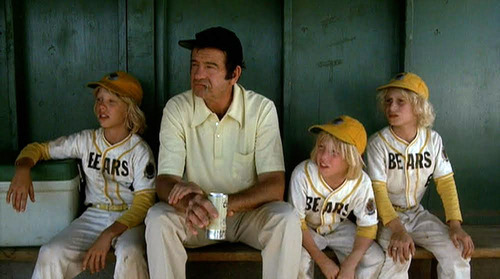
 Grandpa Bob Encouraging Leadership
You must be logged in to post a comment.