The Things We Forget to Remember

A friend showed me some old family photos a couple weeks ago.

An uncle of his is getting older and had given him a collection of family photos and other memorabilia he’d accumulated over the years. He knew some stories, and his uncle had told him even more stories about the people in those photos.

We turned a few of them over, hoping someone had written a name or a date on the back.

Nothing.

My friend knew these were his people. Grandparents, uncles, aunts, cousins, maybe great-uncles. He knew some remarkable family stories, including stories from World War II.

But we couldn’t connect the people in the pictures with the stories.

Somewhere along the way, the thread between the stories and the photos had disappeared.

I’ve been thinking lately about my grandpa on my dad’s side.

I know a few things about his history.

He was in World War II. He was stationed in England for at least part of the war. My grandma was English (Welsh actually) and worked as an infectious disease nurse. Apparently, Grandpa was allergic to everything and had to report for treatment regularly.

Somewhere in there, they fell in love. Grandma told me some stories about their time in England. She told me about her trip over to the US after the war on the Queen Mary, alone with her first child, my aunt. She’d eventually meet back up with Grandpa when she got stateside, since he came home via some sort of military transport.

That’s a pretty good beginning to a family story.

My dad was born in Michigan, but I don’t know what brought them to Michigan.

Then there’s a blank section of the story.

At some point they moved to Southern California, where they spent the rest of their lives.

Why did they move? I don’t know.

Grandpa was an operating engineer, operating heavy equipment.

What kind?

Bulldozers? Cranes? Graders?

What sort of projects did he work on?

Roads? Buildings? Dams?

Did he like his work? Was he good at it?

Did he ever come home and tell my dad about something interesting that happened that day?

I have no idea.

There was a time when I could have asked one of them.

My parents and grandparents are gone now. So are all the other people I can think of who might have known.

Lots of memories survive.

Wars. Marriages. A child’s birth.

England survives. Michigan. California.

But a regular Tuesday afternoon disappears.

I’ve caught myself wondering what Grandpa’s mornings were like.

What time did he get up? Did he drink coffee?

Did he pack a lunch? Did he have a thermos?

What kind of truck did he drive?

What did he do on his days off?

Was moving to California some big adventure, or did he simply hear about a job and say, “Let’s go”?

I don’t actually need to know that Grandpa drank coffee in the morning. What I’d want is the coffee itself. The smell of it in a kitchen at five-thirty in the morning before anyone else was up. Their dog trying to get attention in the quiet of their house right before his workday started. Nobody thought to write any of that down, because why would they. It was just another day.

We’ve never had more ways to record our lives than we do now.

I have thousands of photos on my phone. So does almost everyone I know.

We post pictures. Send them through family group texts. Put them in shared albums. Our phones occasionally remind us what we were doing eight years ago today.

We may be the most photographed generation in human history.

I’m not sure that means anyone will know us particularly well in the future.

Someone could someday inherit 14,000 photographs of us and wonder what we were like.

I think you get to know someone differently when you stay at their house for a few days.

You wake up when they wake up. You have more time to hear what’s really happening in their lives. You learn which chair they always sit in. You find out that somebody who seems perfectly organized can’t find their keys three mornings in a row.

Traveling with someone does the same thing, only faster.

Someone is always hungry. Someone needs the bathroom fifteen minutes after you stop. Flights get delayed. Reservations disappear. It rains. You get lost. The restaurant is closed.

People reveal themselves quickly in these situations.

Thinking about all of this makes me think of something very particular about my dad.

When I was a kid, we camped a lot. We went to Lake Havasu with our boat. We went to off-road races.

Dad was meticulous about preparation.

If a trip was four weeks away, he’d point out that he didn’t really have four weeks to get ready.

He worked six days a week. That meant he only had four Sundays.

That was how he thought about it. Four Sundays to get ready.

As the trip got closer, gear began appearing.

Camping equipment. Tools. Boxes. Supplies. Spare parts for the boat. Motorcycle parts, and tools.

He was methodical about storing everything so it could be staged in modules.

For weeks, there’d be a growing pile of gear waiting to go…ready to be packed into the truck.

Dad liked being ready.

Then there was departure time.

If our plan was to leave early Friday morning, there was a very good chance that sometime on Tuesday or Wednesday, Dad would begin reconsidering the wisdom of this plan.

Why wait until Friday morning? I’m already taking Friday off. We could leave the night before. I could cut out of work early on Thursday so we can get a jump on our trip.

Who knew what might go wrong along the way? If something did, we’d have extra time.

And if nothing went wrong, we’d arrive early. Being early was useful.

You get your choice of campsites.

You weren’t rushing. We could be fully set up when everyone else arrives.

It made complete sense to him.

Mom didn’t see the genius of this plan in quite the same way.

Dad had the truck and equipment ready.

Mom had the food. And clothes. And two boys. And all the domestic stuff (Mom and Dad used to talk about Mom being in charge of domestics) to get ready.

For Mom, leaving Thursday night mostly meant she’d just lost twelve hours of prep time.

There was no father-son conversation where he explained the importance of preparation and leaving early.

I just watched (and usually helped) him get everything ready.

And now I like getting up early. I like arriving before other people. I like being prepared.

Once in a while, I find myself thinking that maybe we should leave tonight instead of tomorrow morning.

We probably inherit all kinds of things this way.

Ways of preparing. Ways of worrying. Little phrases. Expectations.

The way we organize our garage.

The way we react when we’re running late.

Nobody announces that these things are being handed down. Years later, we discover them in ourselves.

I wonder what I inherited from my grandfather without knowing it.

Maybe that’s why the missing details about him intrigue me.

I’d like to know how he thought long before I came along.

I’d like to know what he did when a trip was four weeks away.

I recently heard about another kind of writing that seems almost unrelated. Writing about grief or trauma. The basic idea is that putting painful experiences into words can help us process them.

I don’t pretend to understand all the neuroscience involved, and I’m suspicious of explanations that make our brains sound like a filing cabinet where we simply move an experience from one drawer to another. But the idea itself interests me.

Something happens.

It’s overwhelming.

Eventually we sit down and try to describe it…to ourselves.

What happened? What did I feel? What am I still feeling?

Even if nobody ever reads it.

Writing like this can give shape to something that didn’t have much shape before.

It’s almost the reverse of what I’ve been thinking about Grandpa’s mornings. There, I wanted someone to have written down the feeling of an ordinary day before it disappeared entirely. Here, writing takes something that’s still painfully vivid and makes it a little easier to understand.

I’ve written for years now.

Most of what I write begins with whatever captured my attention at that moment.

Something I read. Something that happened at work. Something one of my grandkids did.

Something I’m building.

Something that annoyed me.

Something I suddenly understand differently than I did before.

I don’t usually think of it as preserving history.

I’m just enjoying writing things down.

Sometimes I wonder what someone in my family might find in all my writing fifty or a hundred years from now.

Not because my writing is important.

Because the little things in it might be.

A future member of my family can probably find my birth date.

They may know where I lived and what I did for work…maybe as little as I know about my own grandparents.

They’ll almost certainly have photos. A ridiculous number of them.

But something I wrote about pouring concrete with my grandkids may tell them something the photos don’t.

Or building a campsite. Or struggling with some idea that’s stuck in my head.

Or remembering my dad getting ready for a trip.

They might get a glimpse of what caught my attention on a particular Thursday.

I’ve heard people talk romantically about ancient societies gathering around fire pits at night listening to the elders tell stories about their ancestors.

Fireside stories notwithstanding, I suspect a lot of human history has always been lost.

Someone dies unexpectedly. Nobody ever thought to ask.

The grandchildren weren’t paying attention. The one person who knew the story assumed everyone else knew it too.

A photo gets put in a box. Fifty years later, somebody turns it over.

Blank.

We tend to think of history as big events.

The things printed in books.

But I’m more interested lately in the smaller history.

Why Michigan? Why California?

Who’s the man standing on the left side of that picture?

And what was everybody laughing about?

We’re surrounded by history while it still looks like ordinary life. It’s so easy to miss.

I keep thinking about those old photos my friend and I turned over.

Someone took them. Someone kept them. Someone else kept them after that.

Eventually an aging uncle carefully hands them to my friend because he wants someone in the family to have them.

Unfortunately, most of the stories didn’t make the trip.

Photo by Fiona Murray-deGraaff on Unsplash

The Real Stakes

I spent an evening recently with a group of old friends. Some of us have known each other for nearly forty years.

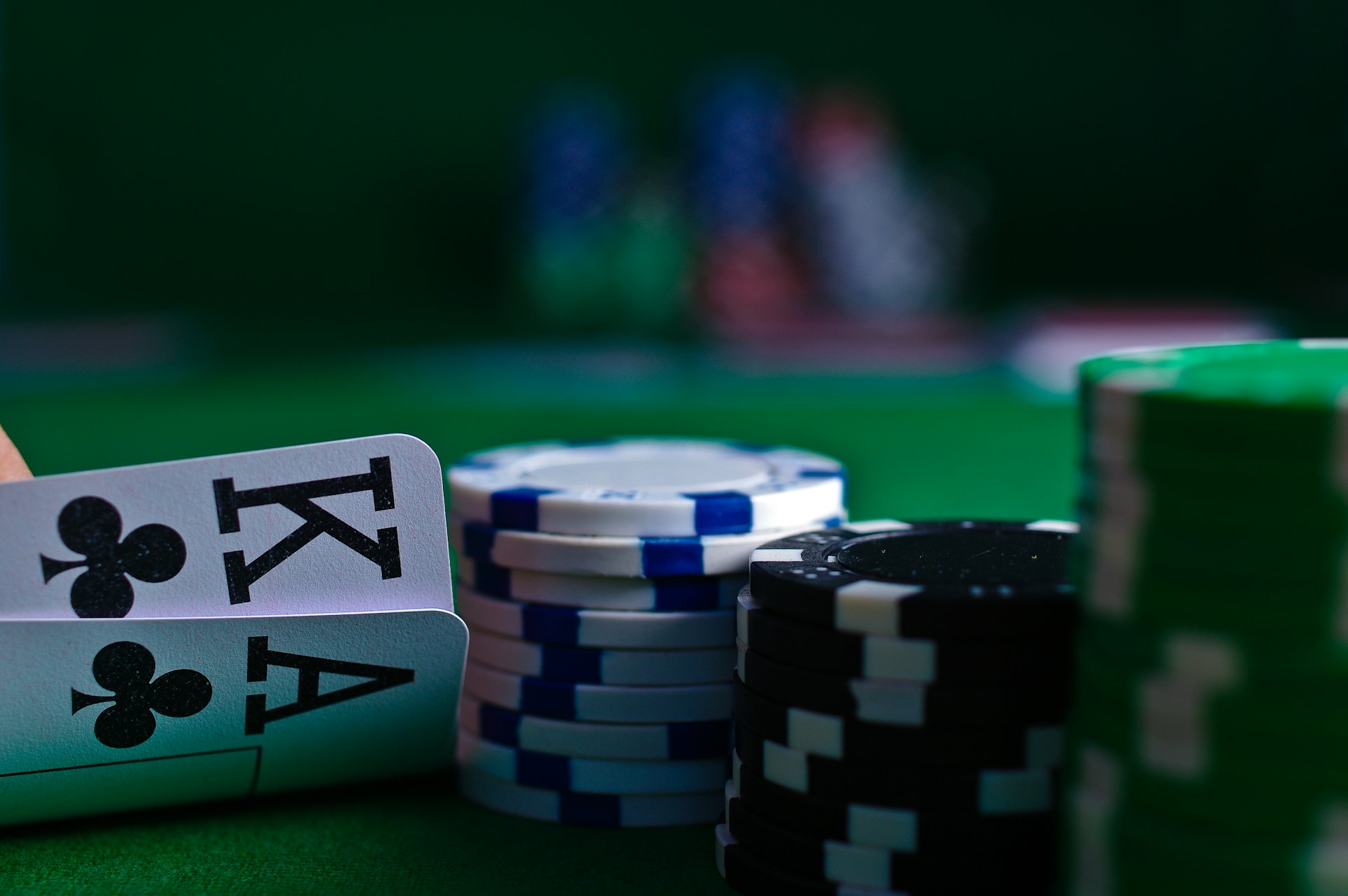
We sat around an old poker table, laughing like no time had passed at all. The betting was fierce, of course. Quarter bets. Fifty-cent raises. The occasional dollar wager from the high rollers at the table.

As the cards moved around the table, so did the stories.

We talked about back surgeries and strange new ailments. About retirement and semi-retirement. After all the years of working, preparing, striving, building, and planning, some of us are finally approaching this new stage of life. Others are already there. We compared notes on life after full-time careers and our changing focus from building wealth to stewarding time.

We talked about the crazy new toys (tools) some of us have acquired since we were last together. Tractors, airplanes, boats, trailers, CNC machines, and 3D printers. The kinds of purchases that make complete sense when practicality and childhood fascination peacefully coexist.

We talked about trips around the world. Cruises through the Panama Canal. Journeys to India and South America, Thailand, New Zealand, Australia and Malaysia, Greece and the Canary Islands. Places we probably never imagined visiting when we first knew each other.

We shared tragic updates too. Losses. Wounds. Stories that carry real pain even when told calmly. The room would go quiet. Respectful. The kind of quiet that only comes when people trust each other enough to say the hard things out loud.

And then there were the stories of redemption. Recovery. Healing. The moments where life knocked someone down and, somehow, they found their footing again.

The conversation moved naturally between laughter and seriousness the way it often does when people have enough history together.

We traded lines like “You haven’t changed,” and “My God, you’ve gotten old.”

Both statements are somehow true at the same time.

Old friends see something unique in each other. They remember earlier versions of us that still exist somewhere underneath the gray hair, reading glasses, surgeries, accomplishments, disappointments, and miles traveled. Old friends carry evidence of our lives in our shared memories.

It’s comforting to realize we’ve all aged together. Nobody escaped it. We all crossed the years side by side, whether we saw each other often or not.

The poker game became a kind of metaphor for life. Checking. Raising. Calling. Bluffing a little. Winning a few. Losing a few. Staying in the game long enough to laugh about it afterward.

It’s probably a stretch to call the games we played “real poker.” The bets were small. The real stakes had nothing to do with money.

We left carrying fresh memories, renewed connections, and that warm sense that our lives are tied together across past, present, and future. Even after long gaps between gatherings, we can still sit down and pick up the conversation almost exactly where we left it.

Not everyone gets friendships that last thirty or forty years. That kind of shared history is one of life’s greatest treasures.

Sometimes it shows up around an old poker table. A deck of cards. Some unhealthy snacks. And decades of history that nobody can explain.

Photo by Michał Parzuchowski on Unsplash

Words Around Christmas

December turns our words to gold,
Tidings, joy, and peace foretold.
Lights like stars along our eaves,
Hope returns on winter’s leaves.

Forgotten words begin to rise,
Childlike wonder in our eyes.
Tinsel, sleigh bells, candle-glow,
Songs of Christmas we all know.

Jingle bells and sleighs take flight,
Rudolph glows through frosted night.
Elves and workshops, North Pole cheer,
Santa’s laughter draws us near.

Snickerdoodles and mulling spice,
Our kitchen’s warmth feels soft and nice.
Welch cakes, pasties, stories told,
Trimmings bright against the cold.

Village lights and carols ring,
Wishes whispered, children sing.
Holly, ornaments, and good cheer
Mark the turning of the year.

Laughter spills from room to room,
Chasing winter’s early gloom.
A gift is only paper bright
Till love folds edges soft and tight.

Traditions bloom in winter air
When generations gather there.
Past and present intertwined,
Stories passed from heart to mind.

Nutcrackers guard, reindeer in flight,
Stockings, holly, silent night.
Sacred stillness gently kept,
In the hours while we slept.

Speak with warmth in every line,
Merry heart and joy divine.
Let kindness shape the songs we sing,
for Christ is born, our promised King.

Let peace on earth be more than art,
let joy take root in every heart.
Let words become the lives we live,
hope to hold, and grace we give.

For all these phrases loved and dear
return to us but once a year.
They point us toward God’s Word,
the sweetest story ever heard.

Love made its dwelling in the hay,
a Child who gave the world its way.
We speak these golden words because
He came to live His love through us.

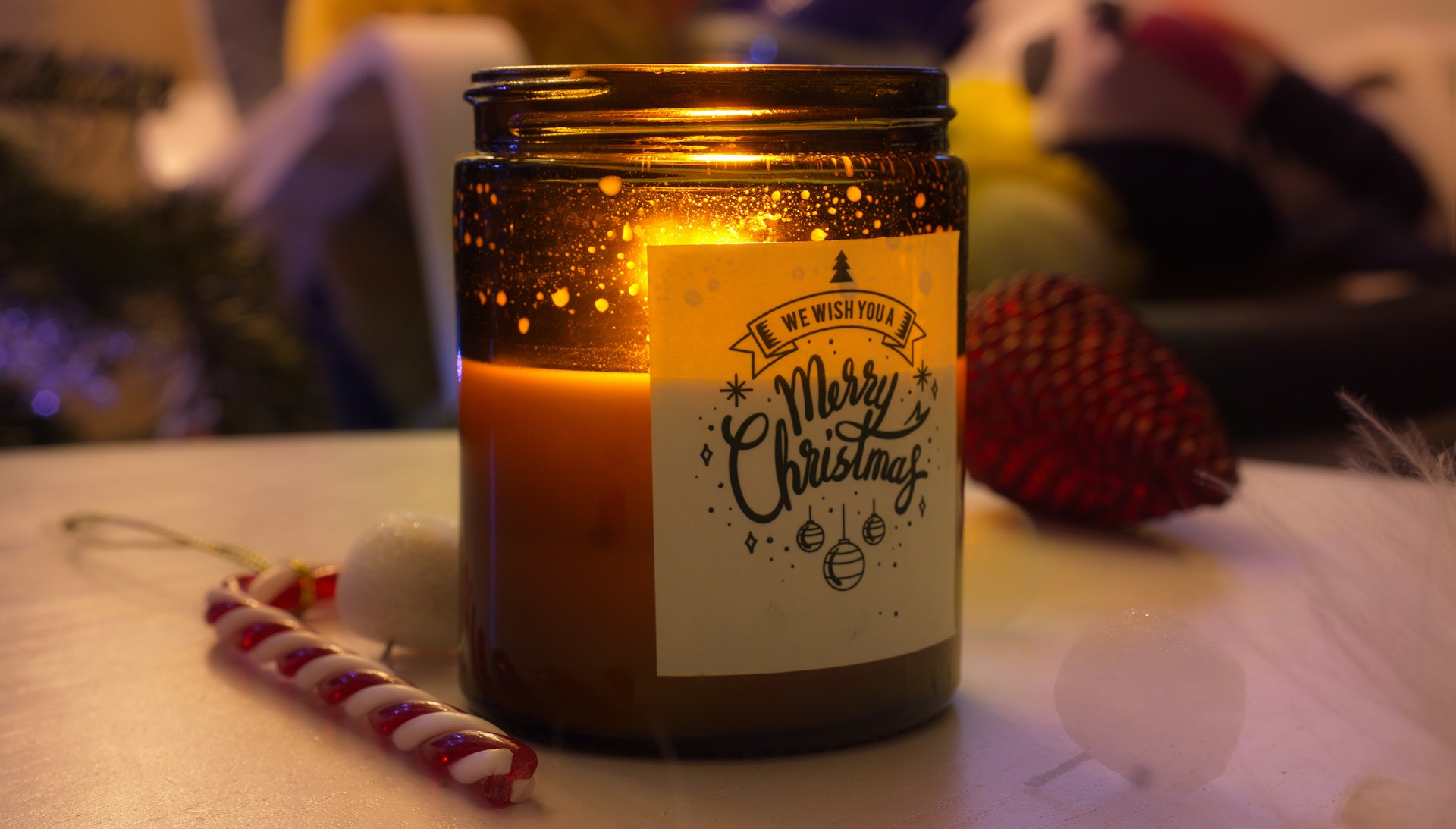
Photo by Rafał Danhoffer on Unsplash