Die Young at an Old Age

One day, someone will describe your life in a sentence.

Think about that.

Thousands of days. Millions of decisions. Victories. Failures. Friendships. Heartbreaks. Quiet acts of kindness no one else ever noticed.

Ordinary moments that turned out to matter far more than anyone realized.

One sentence.

Last week I heard someone say, “Your goal should be to die young at an old age.”

I didn’t come up with it. I don’t even know who did.

At first, it sounds backwards.

Then you realize it may be the best definition of a life well lived.

We spend enormous effort trying to add years to our lives. Maybe we should spend just as much effort adding life to our years.

Aging takes something from all of us. Our body reminds us of that every morning.

We move a little slower. We feel the miles we’ve traveled. Recovery takes a little longer.

We gradually surrender abilities we once took for granted.

None of us escape this reality.

But somewhere along the way we’ve confused physical aging with becoming old. They’re not the same thing.

Our physical abilities may decline.

Our capacity to think, reason, create, encourage, inspire, and love can continue to rise.

In fact, they should.

Judgment should become steadier. Perspective should become broader. Patience and compassion should become easier. Humility should become more natural. Our wisdom should become richer.

The tragedy isn’t growing old, but growing stale.

We’ve all met people who became old at forty.

They stopped asking questions. They stopped taking risks. Somewhere along the way, they chose to stop learning and lost their sense of wonder.

They became experts on yesterday while quietly withdrawing from tomorrow.

And we’ve all met people in their seventies, eighties, and nineties who make us feel like we’re the old ones.

They’re curious, joyful, building, mentoring, reading, writing, learning new technology, planning new adventures.

They’re planting trees whose shade they’ll never sit beneath. They expect tomorrow to matter.

They don’t have smooth skin or endless energy.

But they know life still has something left to teach.

Don’t tell me your age.

Tell me what you’re learning, what you’re building. Tell me whose life is better because you’re in it.

Tell me the dream that still excites you. Tell me what prayer you’re still praying.

Tell me what you’ve started that you may never see completed. Tell me who you’re investing in with no expectation of being repaid.

Then I’ll have a much better idea of how old you really are.


Time is a poor teacher. It doesn’t make us wiser…it just makes us older.

Reflection makes us wiser. Humility keeps us teachable. Gratitude keeps us joyful. Purpose keeps us moving.

The calendar measures the years of our life. Our character measures the life within our years.

Life eventually gives all of us the same raw materials.

Success. Failure. Disappointment. Joy. Love. Loss. Betrayal. Regret.

No one gets through life without carrying each of them.

The question isn’t whether you’ll experience them. The question is what they’ll produce.

They will either deepen you…or harden you.

A hardened person becomes cynical instead of wise. Guarded instead of generous. Slow to trust. Closed instead of curious.

More certain than teachable. Quick to criticize. Slow to hope.

A deepened person finds patience. They are compassionate. Grateful. Calm. Quick to forgive. Comfortable saying, “I was wrong.”

Age should deepen us. Never harden us.


If you’ve lived long enough, you’ve made mistakes.

Good. So have I.

The mistakes themselves aren’t the gift. The lessons are.

Every failure can become a warning light for someone else. Every scar can become a guidepost.

Every wrong turn can become directions for the person following behind you.

Don’t just tell people what you’ve learned. Show them.

Show your children what integrity looks like. Show your grandchildren what perseverance looks like.

Show younger leaders what humility looks like. Show your friends what forgiveness looks like.

Live in the opposite direction of your greatest regrets.

That’s how wisdom becomes believable.

I think that’s what it really means to die young at an old age.

To refuse cynicism. To refuse complacency.

To refuse the lie that your best contribution is already behind you.

To wake up believing there’s still something worth learning. Someone worth encouraging. Something worth creating. Someone worth forgiving.

A prayer worth praying. A mountain still worth climbing.

One day, someone will describe your life in a sentence.

I hope it isn’t about your title. Or your wealth. Or how much power you accumulated.

I hope they remember your curiosity. Your courage. Your generosity. Your faithfulness.

The way people stood a little taller after spending time with you.

The way difficult moments became lighter because you were there.

The way your life continued to bear fruit long after many people would have settled into comfort.

Growing old is a privilege. Growing stale is a choice.

So don’t spend your final decades preparing to die. Spend them preparing to live.

Live with open hands. An open mind. An open heart.

Keep learning. Keep building. Keep serving. Keep encouraging.

Keep becoming.

And when your final day arrives, may it interrupt a life that is still growing, still giving, still grateful, and still full of hope.

May you be young at a very old age.

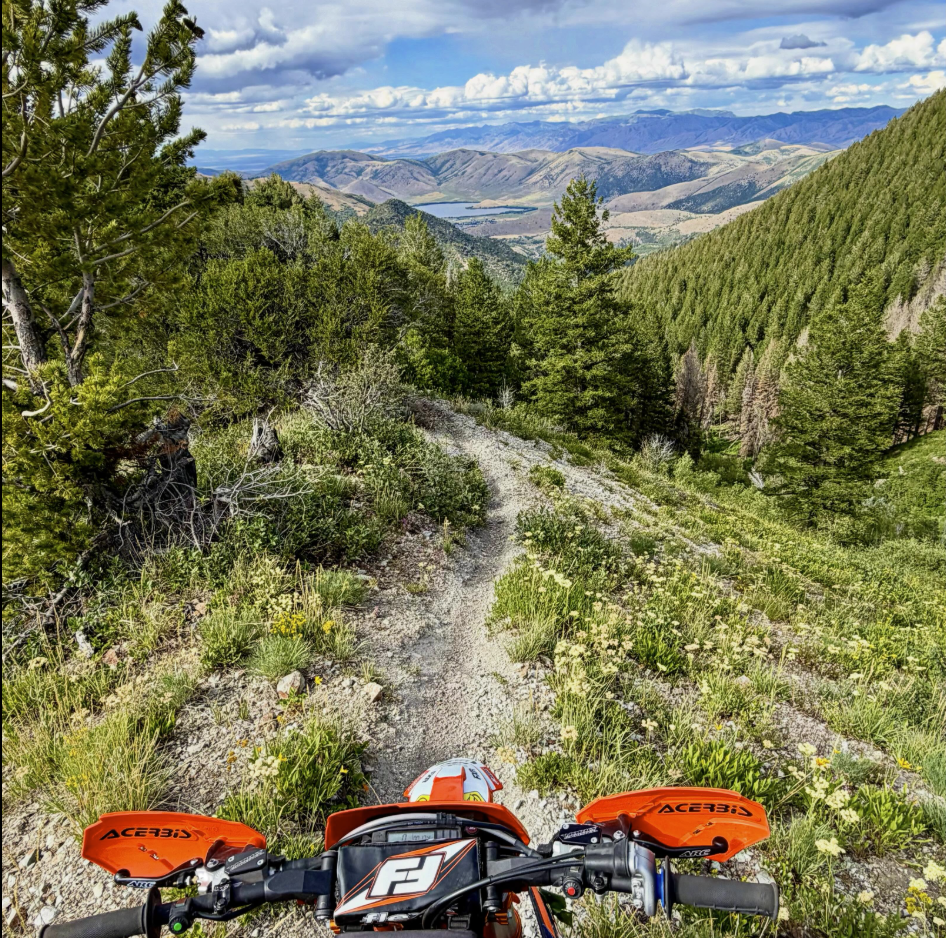
Photo by Destry Abbott – The next bend may hold the best part of your journey.
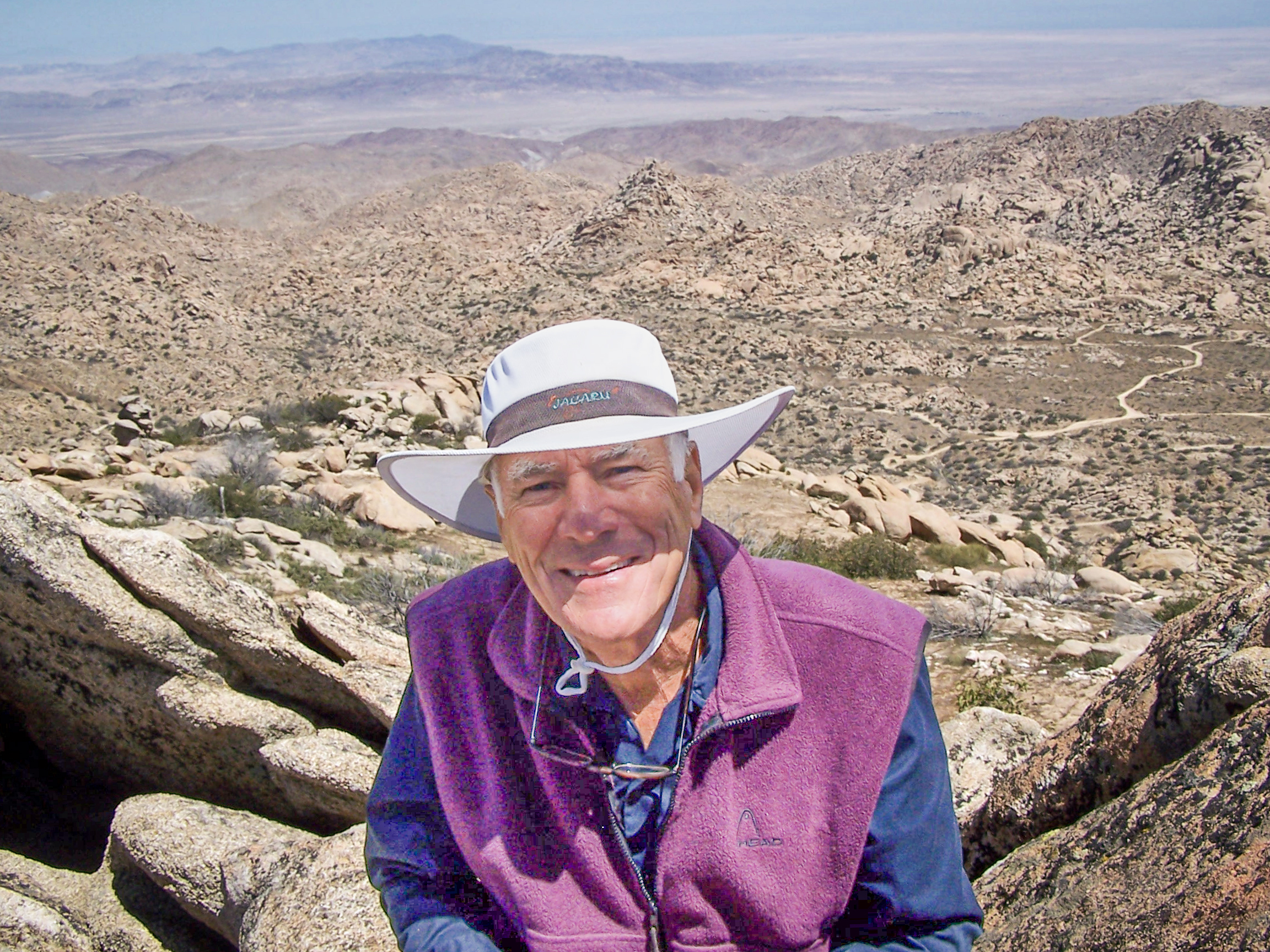
For Uncle Lou

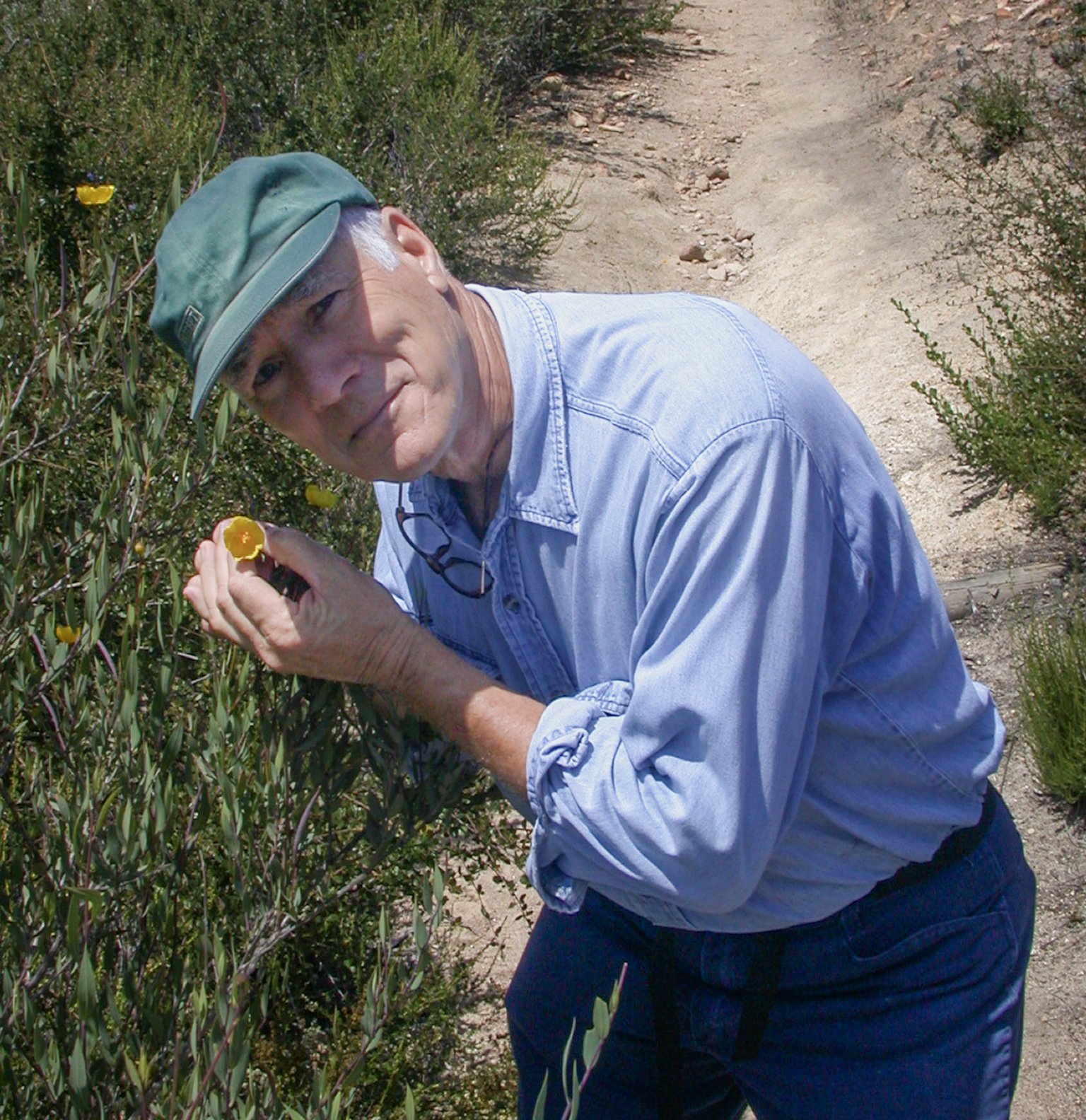
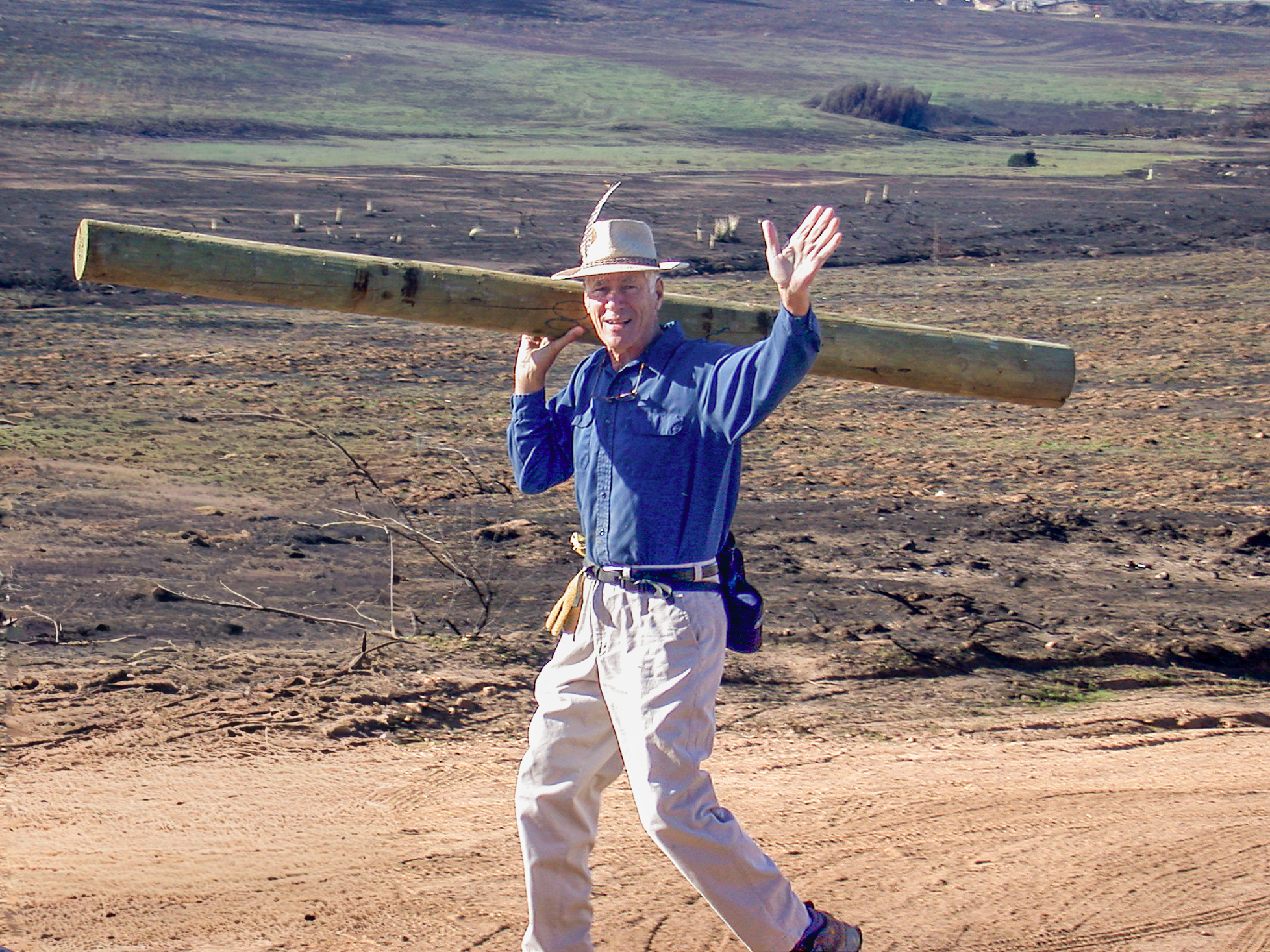
Uncle Lou lived a life that, on paper, sounds larger than life.

He was a thoracic surgeon who quite literally saved lives on a regular basis. He could have filled every family gathering with stories of operating rooms, impossible cases, and professional milestones. But that’s not the way Uncle Lou did things.

Uncle Lou was far more interested in our stories than his own. He wanted to know what we were learning, what we were building, what we were excited about. He led with curiosity and humility when he had every reason to lead with his own accomplishments.

He was a craftsman in the truest sense of the word. One of his hobbies, passion really, was working in his woodshop. His healing hands created fine wood furniture that he mostly gave away to family and friends. We are blessed to have a miniature grandfather clock that he made for us, and a wooden inlaid box that sits on my nightstand.

He was an excellent golfer. I wasn’t good enough to golf in his circle, although I think he may have caught video of me hitting a tee shot backwards once (that’s a story for another time).

I learned how to play a mean air trombone from Uncle Lou. A skill he showed off many times.

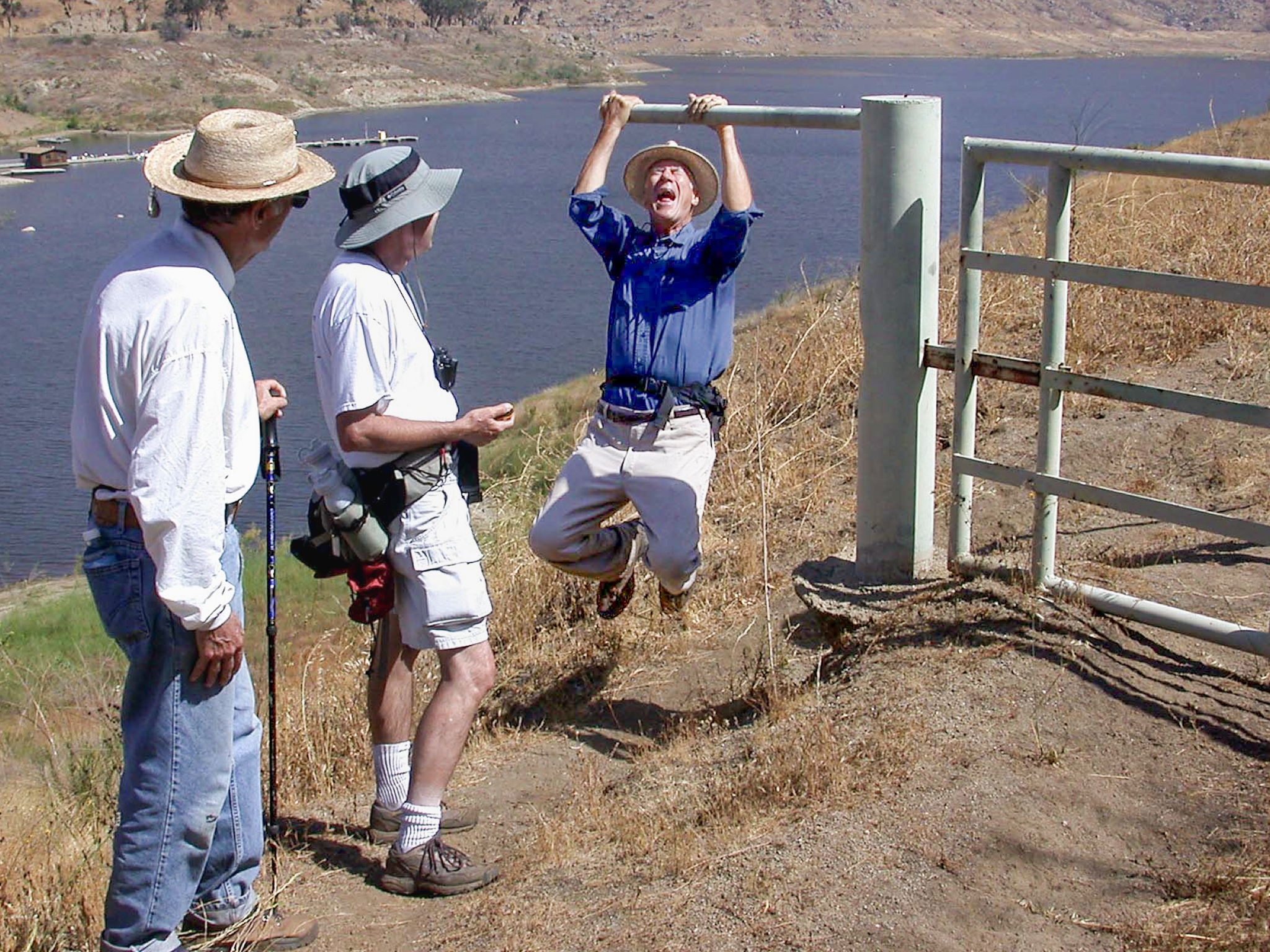
Did I mention that he was an avid hiker? His retiree group, the Kaiser Retired Association of Physicians (KRAP) hiked all over the greater San Diego area. It’s clear that the KRAP group is filled with like-minded super talented, but humble, individuals who get a well-earned kick out of the acronym for their group.

His curiosity never retired. Even as his body slowed in recent years, his mind never did. I remember recent conversations with him about computers, AI technology, and rockets. He approached new ideas the same way he approached everything else…with interest, openness, and the quiet confidence of a lifelong learner. I suspect he was still reading about something new right up until the end.

As I was putting the finishing touches on this post, I realized I had left out one more facet of Uncle Lou’s amazing life. He was also a pilot. He flew his plane far and wide, often to sample the cuisine at a distant airport diner, but always for the simple joy of seeing the world from above. It seems perfectly fitting for someone so curious and alive to experience life from every vantage point. A true Renaissance man if ever I knew one.

Uncle Lou’s legacy isn’t only in the lives he saved, the furniture he built, the miles he hiked, the miles he flew, or the videos he recorded of family moments. He always made you feel you were worthy of his full attention.

Uncle Lou reminds us that a life of great achievement shines even brighter when it’s paired with humility, curiosity, and genuine interest in others.

I’ll miss his wry grin, and that twinkle in his eye that let you know he was a very serious person who didn’t take himself too seriously.

Godspeed, Uncle Lou.

Teachers, Mentors, and the Grace That Carries Us

“There is no Frigate like a Book / To take us Lands away.”

Emily Dickinson wrote these words in her quiet room, understanding something I didn’t grasp for decades. The greatest journeys begin within.

I know her poem only because of my 11th grade AP English teacher, Mr. Cox. As a rambunctious and cocky 11th grader, would I have taken any of my “super valuable” time to read poems, sonnets, short stories, even books? No way.

But because of his work (and the work of countless other teachers along the way), I did read. A lot. I learned tons of material and information that didn’t matter to me at the time…but matter a lot today.

My focus back then was simple. Be the best student, get the highest test scores, pass as many AP tests as possible, and earn varsity letters in multiple sports. Mostly, I wanted to beat everyone else, pure and simple. It helped that I was blessed with an almost photographic memory and could recall facts and formulas with ease (sadly, not so much nowadays).

I carried that mindset into college. I loved being the student who defined the grading curve for the class. I was annoyed if I didn’t get every single point on an assignment, midterm, or final. I had an almost uncontrollable drive to outshine everyone…as if that was all that mattered.

I was completely wrong.

On the bright side, that drive and motivation made me a successful student and propelled me into my early career.

On the other hand, seeing everyone as my competition, and less as people, meant I probably missed out on a lot of fun. And lots of friendships that never happened. I was so focused on the destination that I forgot to notice who was traveling with me.

That realization connects me back to Dickinson’s frigate in ways I never expected. She saw the book as a vessel capable of carrying anyone, anywhere, without cost or permission. But what I’ve learned over nearly fifty years since high school is that I was asking the wrong question. It was never “How far can I go?” It was “Who am I becoming, and who’s helping me understand?”

My journey from that hyper-competitive teenager to what I hope is a much more caring, thoughtful, empathetic, nuanced, and life-giving person has been propelled by those same teachers I mentioned earlier, and a longer line of guides who keep showing up at the right time in my life.

I didn’t realize it then, but those books, poems, and teachers were all part of my fleet of frigates. Each one quietly helped me close the distance between knowledge and understanding, between my ambition and wisdom.

My mentors, family, and friends have all been vessels that carried me through changing seas. Some taught me to sail straight into the wind. Others reminded me that drifting for a while can be part of my journey as well. Each lesson mattered, even the ones that didn’t make sense at the time…especially those.

Over time, life has a way of sanding down our sharper edges, revealing something deeper underneath. My focus slowly shifted from being the best at something to becoming the best version of myself.

Now, when I think about Emily Dickinson’s frigate, I picture something far greater than a book. I picture a lifetime of learning, carried by the people who invested their time, wisdom, and patience in me. Mr. Cox, and others who gave freely of their time and wisdom, helped me see that the destination isn’t solely becoming the top of the class. It’s finding a profound depth of understanding, the expansion of empathy, and the ability to see beauty and meaning in small, unexpected places.

If I could go back and talk to that 16-year-old version of myself, I’d tell him the real tests aren’t scored on paper. They’re graded every day in how we treat people, how we listen, and how we show grace.

I’d tell him that the frigate he thinks he’s steering alone has always been guided by grace. The true measure of his voyage will be how much space he makes for others to come aboard.

We’re all learning to sail, carried by the steady hand of God.

We never really travel alone.

Photo by Rafael Garcin on Unsplash