Maybe it’s all my time spent working in businesses over the past four decades. We often start each year with a set of specific strategic goals. Some are grounded and achievable; others are wish casting—a small dream of what we might accomplish if everything aligns perfectly (spoiler alert: it rarely does).
This year my goals are simple, but not easy:
Serve the quests of others over my own. True fulfillment comes from supporting others in their quest, even if that means setting aside my own ambitions.
Offer insights and advice, not direction. The path others take isn’t mine to choose. My role is to illuminate possibilities, not dictate outcomes.
Push beyond my comfort zone and (hopefully) inspire others to do the same. Growth begins at the edge of what’s familiar. By challenging my own boundaries, I hope to encourage others to stretch theirs as well.
Bring the loaves and fishes—and trust God with the rest. (h/t to Dallas Jenkins for this beautiful idea) It’s a reminder to offer what I can and trust in someone much greater to amplify my impact.
I’ve probably hiked or biked hundreds, maybe thousands of trail miles in my life. Most of the trails had been there for many years…even decades.
Other than clearing some fallen branches from a trail or participating in a trail volunteer day, I never gave much thought to how the trails were built, or who originally built them. They were always there. It didn’t matter if the trails started out as animal paths, or were built by hand, carved through the forest. The trails seemed to belong right where they were.
My perspective shifted when we were fortunate enough to purchase acreage that includes a forested hillside, a mostly dry pond, rocky escarpments, and a meadow thick with trees and scrub brush.
Where others may have seen a tangle of impenetrable forest, I could see trails winding through it, paths crisscrossing up and down the hill, around the pond, and maybe a little campsite down in the meadow under the tall trees.
I had no idea where to start or where exactly the trails would go. I just knew the hillside and meadow were calling for a trail system and a campsite that my family and friends could enjoy exploring for years to come.
When we moved here, I didn’t own a chain saw, a tractor, or any of the fancy attachments that make tractors such useful (and fun) tools. I had the standard set of homeowner hand tools from our lifetime of living in a tract home that didn’t have a yard big enough for a lawn.
The real work began when our new property was hit by a 90 mile per hour derecho that effectively found all the unhealthy trees and snapped them in half or knocked them to the ground. As I worked my way across our property over the next six months, cutting and clearing all of the downed trees (40-50 trees in all), I got a ton of practice with my new chainsaws, my upgraded tractor (the small one we purchased initially didn’t cut it, so I did what every tractor guy worth his salt does when faced with this dilemma…I upsized), the 5-foot brush hog attachment, and the front loader grapple attachment.
As I worked to complete the clearing process, I could see where new trails might go. As I brush-hogged large swaths of overgrown scrub brush and brambles, new openings showed themselves. In the areas where I cleared away the dead and fallen trees, nice new grassy areas greeted the sunlight that finally penetrated to the ground. I could see how trimming up some of the remaining trees would improve the sight lines through the area.
Once the land clearing process was mostly done, the real trailblazing process began. Deciding exactly where to cut the trails, which routes worked best given the lay of the land, the gradient of the hillside, natural features, and tree coverage. Could I veer up and to the right a bit to maintain the trail flow while leaving more trees intact? Will a hiker be able to maintain their footing if I use the existing (slightly) flatter terrain on the hillside? Can I make this trail intersect in an interesting way with the other one that’s 200 yards away?
So far, I’ve been talking about literal trails and the (rewarding) process of carving a trail system by hand into my property. I’ve known my share of trailblazers in life and work, and I’ve even been one myself on occasion. It’s funny how, like the paths I was carving through the woods, new trails—whether they’re businesses, inventions, ideas, or methods—often seem inevitable after the fact.
Once they’re established, they feel as if they’ve always been there. But every one of those trails began with someone willing to face the unknown, to push forward without a clear end in sight, risking failure or embarrassment in the name of carving a new path.
Only the people who actually built these trails know what it took to get there. The obstacles that had to be moved, the dead ends they hit along the way, their moments of doubt. They alone understand the learning curve, the time, and the sheer energy it took to bring the trail to life. And as they move forward, bit by bit, the final route often ends up looking different from what they first imagined.
Our new trail system is amazing. It has straight sections, switchback sections, offshoots, shortcuts, climbs, and descents. Parts of the trail are under a tunnel-like canopy of thick forest and other areas open to the sky, providing amazing hilltop views. Walking along the trails feels like the landscape was made for them…even though there were countless hours of planning, experimenting, cutting, clearing, and adapting along the way.
Sometimes the trailblazer is driven by an obsessive need to see where the trail can go. To see what lies over the next hill, or around the next bend. Others visualize how their trail will be enjoyed for years (decades?) to come.
While their motivations may differ, the result is often the same. A path that seems to have always been, enjoyed by countless people who may never stop to wonder how it got there.
For those who wonder, the trail offers something more than just a route. It’s a reminder that someone, somewhere, once walked an untamed path and decided it was worth carving a trail for those who’d come later.
Most of my childhood outside of school is a blur of off-road riding and racing (and lots of water skiing, but that’s another story).
We were either preparing to ride, camping in the desert to ride, racing in the desert (although I didn’t race nearly as much as everyone else), or providing pit support for others who were racing.
By the time I was about 10 years old, Uncle Denby (my dad’s younger brother) had become a serious racer in Baja. By the time I was about to enter high school, he was racing for Team Honda in Baja. The Hilltoppers, the motorcycle club my dad and Uncle Denby belonged to (that I’d join a little later) put on annual Grand Prix races in Rosarito Beach.
Between the Baja racing, pre-running trips, adventure riding to Mike’s Sky Ranch and San Felipe, and numerous trips to Rosarito Beach to set up the race each year, we were in Baja a lot. I remember watching the Dallas “who shot JR” episode on a small television in a hotel bar in Rosarito Beach.
All of this meant I got to ride with Uncle Denby regularly. He was always ready. His bike was perfectly tuned. His gear was impeccably organized. He was dialed in. He expected everyone around him to be as dialed in as he was.
For most Baja rides, we had a scheduled time for departure. Maybe at first light, or 7:30am. To Uncle Denby, this meant we’d be putting our bikes in gear and leaving at the scheduled departure time. Not putting gas in our bikes, trying to find our goggles, or figuring out why our backpack wouldn’t fit right. He’d say, “Do all of that on your own time. If you need an hour to get ready, wake up early and get it done.”
Since I rarely knew where we were going, and Uncle Denby was usually leading the way, I quickly learned to be fully ready with my bike idling at departure time. I operate this way today, even though I haven’t ridden a motorcycle in decades.
Whoops are a fact of life in off-road riding. These are undulations in the trail caused by countless vehicles digging a little bit of dirt and relocating it to the top of the whoop behind it as they race by. Certain sections of the California desert where we used to ride are notorious for miles of 2-3 foot (or larger) whoops. Sections of Baja are similarly whooped-out.
I struggled with whoops. I don’t know anyone who likes riding whoops, but some people can fly through them. That wasn’t me. Lucky for me, Uncle Denby happened to come up behind me in a whoop section. He had stopped to help someone else, so I and many others in our group got ahead of him on the trail. Once he was back on his bike, it didn’t take him long to catch me.
This time, he didn’t pass. He stayed behind me for a couple of miles. Then he rolled on the throttle and went right by me, smooth as ever. When we regrouped for gas a while later, he came over and asked me what gear I was in when he came past. I was in third gear, maybe three-quarter throttle.
He said I was riding in too low of a gear. I needed to work on riding the next higher gear if I wanted to find a smooth way through the whoops. He told me he was watching me ride and getting exhausted for me. He could tell that I was working way too hard. Moving to the next higher gear at half-throttle would get me on top of the whoops with more speed and reduce my workload on the bike.
None of this was obvious to me, but second nature to Uncle Denby. Later that day, we came up to another (shorter) section of whoops. I eased into fourth gear and carried a lot more smoothness into the section. The whoops were still challenging, but not nearly as hard as before…and I was moving at a much higher pace. I was conserving energy and riding faster (and safer) by clicking up one gear.
Something else about that next higher gear…traction. Ride in too low of a gear, especially on a two-stroke, and your back tire has a tough time staying stuck to the ground. Forward motion is all about smooth and consistent traction. If your power isn’t making it to the ground, you’re not moving. A spinning rear tire isn’t taking you anywhere. Everything is working hard, but nothing is happening.
We had another riding day, this time out on the Rosarito Beach Grand Prix course. We rode most of the loop together. The course had lots of high-speed sections and fast turns. We were having a great time, riding wheel-to-wheel. Obviously, he could have left me in the dust, but he pushed me at my pace and showed me how to brake before the turns, and then accelerate out to maintain the most speed and control.
Yet another aspect of traction. No traction, no turning. If you’re on the brakes in the turn, you don’t have the same traction and control as you do if you’re accelerating out of the top of the turn. Timing when to get off the gas, when to brake, and when to accelerate made all the difference in the world.
Something else Uncle Denby taught me that day.
I was sad to hear that Uncle Denby passed away last night. He battled a tough disease for quite some time.
I will always treasure the lessons he taught me. He probably thought he was teaching his nephew how to ride a motorcycle faster and smoother.
But he was really teaching me how to dial myself in, how to find the next gear, and how to maintain proper traction in all situations.
Godspeed, Uncle Denby, and thank you for riding with me.
Zig Ziglar once said, “It was character that got us out of bed, commitment that moved us into action, and discipline that enabled us to follow through.”
This perfectly describes the driver of true achievement. It’s not just the initial desire or excitement that propel us, but the dedication to stick with something until the end.
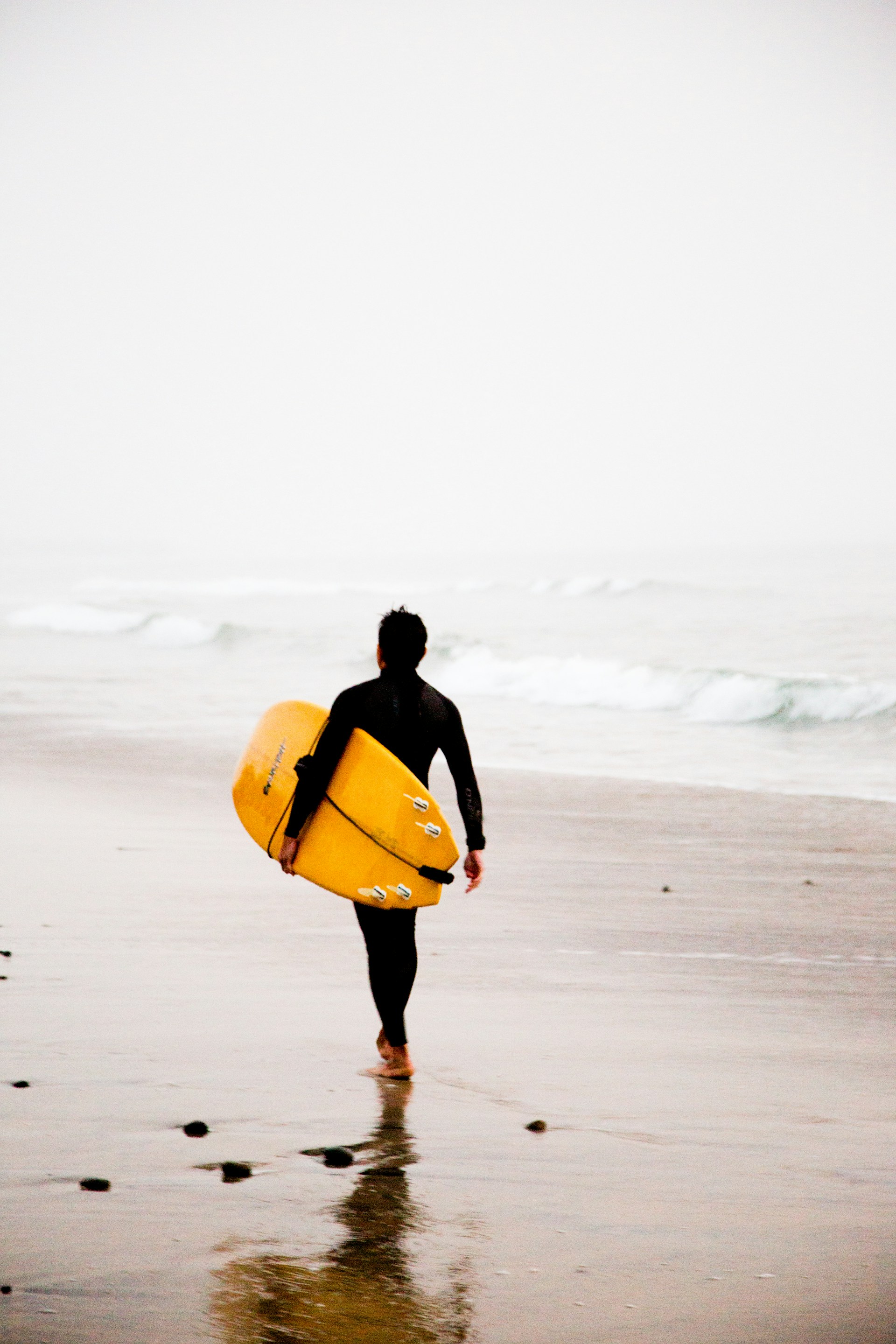
I accidentally saw this idea come to life during a recent road trip. I stopped by a taco shop. It happened to be near a beach and was clearly a popular local destination. The tacos were excellent, but that’s not the point of this story.
As I sat on the patio eating my carnitas tacos and enjoying the view, I couldn’t help overhearing a conversation at the table that less than two feet away. Two early-twenties (by my estimation) men were talking about how amazing the surfing had been earlier that morning.
I got from the conversation that they had been surfing together since they were teenagers and this morning’s session was a long-overdue reunion of sorts since they hadn’t surfed together in quite some time.
One of them made a comment that stuck with me: “Surfing is the only time I’m really alive. I know what I’m doing and can feel the water telling me what to do. I wish I could get that kind of fulfillment out of the rest of my life. I feel like I’m just wandering around, waiting until I can surf again.”
It wasn’t long before his friend responded, “I know what you mean. I’ve had to settle down these past couple of years. I got a dog, and it’s been a lot of responsibility, but he’s amazing. He loves the beach, so I take him there as often as I can.”
Then came the real kicker. The first guy, the “wandering” one, responded, “Maybe that’s something I should do. I can’t get motivated at work and just want to quit. Maybe getting a dog would help me commit to the work.”
He used an extremely important word—commit. It was evident these two men are deeply committed to surfing. It’s their passion, and it gives them a sense of fulfillment that’s absent in other areas of their lives. Surfing isn’t something they merely do—it is something they live for. But beyond surfing, they lack the same kind of dedication. Their passion for the sport brings them joy because they are fully invested in it, heart and soul.
The wandering friend’s dilemma isn’t uncommon. Many people struggle with finding motivation in their daily lives. They haven’t truly committed to something that extends beyond their comfort zone or personal hobbies. They desire fulfillment without realizing that commitment is often their missing link.
It was as though this young man had stumbled upon the key to unlocking motivation and purpose: he needed to commit. Whether it is work, relationships, or another area of his life, the power to find meaning and fulfillment can only come from his willingness to fully invest in something.
Goethe once said, “At the moment of commitment, the entire universe conspires to assist you.” This idea aligns with the realization that real fulfillment only comes from investing fully in what we do. When we are all in, we aren’t just going through the motions—we are owning the process, taking charge of the outcome, and continually working toward our goals.
The wandering surfer may never have thought about his job as something worth committing to. To him, it was just a means to an end, something he had to do so he could afford to spend time doing what he really wanted—to surf. But if he can shift his mindset and fully invest in his work with the same passion and dedication he gives to surfing, the fulfillment he seeks might not seem so elusive.
Fulfillment doesn’t come from merely reaching a goal or winning a trophy. As Cardinal Pell put it, “Commitment to a worthwhile goal brings fulfillment and meaning, even if the path is difficult.” The true joy and deep sense of satisfaction come from the commitment itself—the effort, discipline, and perseverance that drive us toward our goal.
If you’re handed a trophy without having worked for it, it’s meaningless. You know deep down that you didn’t earn it, didn’t push through the challenges, didn’t grow in the process. But if you earn that trophy through your own hard work and dedication, it’s a symbol of something far greater than the achievement—it’s proof of your commitment.
In the end, what we commit to is what brings meaning to our lives. Whether it’s our relationships, our careers, or even something as personal as surfing, the act of giving our all, of pushing through the hard times, is what fills us with a sense of purpose.
The wandering surfer wasn’t lost because he lacked passion; he was lost because he hadn’t fully committed to anything beyond the waves.
To truly live a fulfilling life, we must commit wholeheartedly. When we do, we’ll find that the truest sense of fulfillment comes from the dedication and growth that only commitment can bring.
Pick any project—it doesn’t matter if it’s something you’ve assigned to yourself or something your boss has given you. It could be a huge, long-term project, or something that should take less than a week.
Chances are, that project will turn out to be harder than expected. It will require effort that nobody saw during the planning process (whether planning consisted of a 5-minute conversation, or a multi-month series of meetings and discussions).
Here’s something else about projects: even when we’re given full ownership, most of us will try to find ways to make sure we’re not fully responsible for the outcome.
But no matter what, the project remains. We own it. We also own the goal of getting it done right.
“The man who moves a mountain begins by carrying away small stones.” – Chinese Proverb
Progress is made through consistent effort, one step at a time. Then another. Then another. It’s the steps toward the goal that matter, almost as much as the goal itself.
What if some of the steps we take are the wrong ones? What if we have to go back and redo some of our work? What if somebody sees us make mistakes along the way?
Each of these are (almost) guaranteed to happen.
Embrace it. Learn from it. Carry on.
Keep stepping forward. Learn along the way and give yourself permission to take a step (or two) back from time to time.
“You will know that your children will be many, and your descendants like the grass of the earth.” – Job 5:25
This image of my granddaughter running through the tall grass lingers in my mind, a snapshot of pure joy and freedom. The grass climbs high as her shoulders, swaying in the gentle breeze as she runs, her laughter echoing across the open field.
The sun, high in the sky, casts a warm glow across the landscape, reflecting off the stalks and highlighting the strands of her long blonde hair. It’s a moment of unbridled innocence, an expression of life at its most carefree—a reminder of the potential and possibilities that lie ahead in her life.
Watching her, I’m struck by how this simple act of running, so natural and effortless, captures the essence of childhood. Children have an innate ability to live fully in the present, to see the world as a place of wonder and adventure. For them, the future is not something to be feared, but something to eagerly anticipate. Every new experience is a chance to explore, to learn, to grow. In her dash through the tall grass, we get a glimpse of how life is meant to be lived—full of energy, curiosity, and a fearless embrace of the unknown.
As the years (decades) go by, it’s easy to lose our innocence, our thirst for adventure. We may see our future with a sense of foreboding, even doom…rather than an opportunity to expand our journey. We allow the sense of adventure that once propelled us forward to be dulled by the responsibilities and challenges that life inevitably brings. Our carefree days of childhood disappear into the past.
The passage of time doesn’t have to diminish our sense of adventure. We can choose to embrace life with the same enthusiasm and curiosity that we had as children. We can still find joy in the simple pleasures, still run toward the unknown with hope in our hearts.
Life’s journey is not about avoiding the tall grass, but about diving into it, feeling the sun warm our backs and the gentle breeze cooling our faces. It’s about seeing each day as an opportunity to expand our horizons, to live fully and freely, just as my grandkids do.
The tall grass may rise like a challenge, but it is also where the most profound discoveries await. And as I step into that field, I carry with me the certainty that the journey ahead, like the path I’ve already walked, holds boundless potential.
In a field of tall grass she runs, her golden hair warmed by the sun, each step a whisper of freedom, the horizon an open invitation.
I watch her and remember— the world for me was once this wide, full of endless possibilities, before fear narrowed that view.
But the grass still sways, and I can still run, following her laughter, knowing the path ahead will bring great discoveries,
a promise of new beginnings.
p/c – My daughter, Julianne, texted this photo earlier this week of Lizzy running through the tall grass of their pasture. The moment I saw the photo, I knew the topic of my next blog post.
In the early 2000s, I attended one of our company’s national meetings. Our new CEO opened the meeting with a keynote address.
After thanking everyone for attending, he discussed the company’s three key strategic initiatives. He tied each of them back to the overall goals and mission of the company, underscoring how critical each manager attending the meeting (and our teams) would be to making these initiatives come to fruition.
His address lasted about fifteen minutes. He had a few slides to accompany his talk, but nothing flashy. In those fifteen minutes, we understood his vision, what we were supposed to do, and how we were empowered to make it happen. We were unified and energized.
Later that day, I thanked him for his talk. I mentioned how concise it was and appreciated that he didn’t spend an hour on CEO-speak and rah-rah platitudes. He smiled and explained that he was concise because he articulates versions of that talk multiple times each day.
He shared that wherever he traveled, whenever he visited one of our company’s offices or met with employees or customers, he made sure they understood what we were doing and how important each of them was to the company’s success. He knew that in a company with over 15,000 employees, it was impossible to speak to or know every one of them. But, whenever he encountered employees, he knew they’d remember what he said and appreciate knowing how they are connected to the company’s success.
He was so concise and effective because he lived and breathed the vision and its importance every day and shared it freely with everyone.
Applying This in Your Leadership
You don’t have to be a Fortune 100 CEO to communicate like this. As a servant leader, commit to using your finite time and energy to communicate openly and freely with your team members. Make sure they understand the plan and their part in it. Take time to understand the challenges they face, listen to their ideas, ask probing questions, and let them know how important they are to the success of the department, division, or company.
Your team can’t wait to accompany you on a vision quest. They just need to know what they’re doing, where they’re going, and that you value their contribution to the quest.
Effective communication from leadership is not about the quantity of words but the quality of the message. By being concise, clear, and consistent, you can inspire and motivate your team to achieve great things.
Start today by articulating your vision and showing your team how much you value their contributions.
When faced with overwhelming and unwieldy tasks, the metaphor about “eating the elephant” reminds us that the only way to tackle it is one bite at a time.
Whether it’s a major project, a personal goal, or a tough decision, the key is to start. Too often, we fool ourselves and others by dancing around the elephant, procrastinating or overplanning.
This dance—making elaborate plans, seeking endless advice, or justifying delays—can feel productive but only serves as a distraction. Real progress begins with that first bite.
Start somewhere, however small, and build momentum from there.
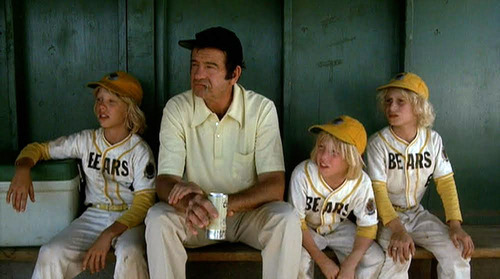
Park league baseball season came to an end recently. We had four grandsons between the ages of 8 and 10 playing on teams. The teams had a few “veteran” players, but for most of the players this was their first experience playing organized baseball. They had a lot to learn…and we saw amazing improvements in all the players in one short season.
It’s clear that the lessons they learned can extend far beyond the field, if we are willing to pay attention.
Panicking When the Ball Comes
My most vivid memory from the season is seeing the panic for many of the kids when the ball would come their way. Will they catch the ball? Where will they throw it once they have it? Do they know why they’re throwing it in a particular direction? Will the player they’re throwing to catch the ball?
The drama was real. It was clear that a lot of the kids didn’t expect the ball to come toward them. I saw a few kids jump away from the ball to avoid fielding it.
As a spectator, it’s easy to see what’s happening. It’s easy to assume that surely, we’d field the ball properly, and immediately know where to go with the play.
It’s not always as easy as it looks. Unexpected situations arise, and our response (or lack thereof) can significantly impact what happens next. Learning to stay calm and doing some pre-thinking about our actions (before the play) will significantly improve our chance of success.
Understanding Game Situations
Many young players struggle with understanding the game situation—who’s on base, how many outs are there, what’s the best play to make when the ball comes to them, and how to act strategically.
This lack of situational awareness highlights a crucial lesson: the importance of context and awareness in decision-making. Understanding the bigger picture allows for more informed and effective actions. The coaches encouraged the kids to think ahead (pre-thinking) and consider various outcomes. Whether the kids listened and embraced their advice was another thing entirely.
Are you thinking about your “game” situation? The macro and micro aspects of the challenges you and your organization are facing. Are you thinking ahead and considering various outcomes as part of your decision-making process?
Learning the Basics: Throwing and Catching
It’s not uncommon for young players to throw the ball the wrong way or miss it entirely. These fundamental skills require practice and patience. This aspect of the game underscores the importance of mastering basics before tackling more complex tasks. In any field, solid foundational skills are essential for success. Nearly every pursuit or profession has basic foundational skills that need to be mastered along the way toward more advanced skills. A football analogy fits well here…it’s important to understand the blocking and tackling part of the game before you can advance to running with the ball.
Position-Specific Skills and Aspiration
In youth park league baseball, most of the hits stay in the infield. This leaves the outfielders without much to do. I heard lots of outfielders wishing they could play an infield position like second base, or catcher. None of them understood what those positions entailed, but they knew that those positions had more action.
A few of them took the time to learn about the infield positions from their coach. They showed their interest and willingness to work their way to the infield. This shows the value of preparation and skills development. It’s important to work on the necessary skills before aiming for a specific role, whether in sports or any other endeavor. It also emphasizes the value of seeing a goal and then taking the concrete steps to learn, grow, and achieve that goal.
Strikeouts Aren’t Failures
Consider that an excellent hitter in the big leagues gets a hit about 30% of the time. They may get walked occasionally, but the rest of their at bats result in fly outs, ground outs, or strikeouts.
We saw a ton of strikeouts this past season. I was always impressed with the kids who struck out and immediately came back to the dugout to ask their coach what they should be doing to avoid striking out next time. Each strikeout was a learning opportunity…but only if the player saw it that way.
We saw a few kids melt down in disappointment and embarrassment. One kid from an opposing team stomped off the field and took himself out of the game (an extremely negative response to be sure).
When things go wrong, or we don’t get the result we want, that’s the time to buckle down and learn why it happened. Consider ways to improve so the results can improve next time. It’s only a failure if you give up.
Teamwork and Collective Goals
We are all self-centered. As we mature, we usually learn how to control our self-centeredness or at least how to channel it productively. Ten-year-old kids are no different. Their focus is on their own performance. Whether or not they’re hitting the ball. Whether or not they made the right play.
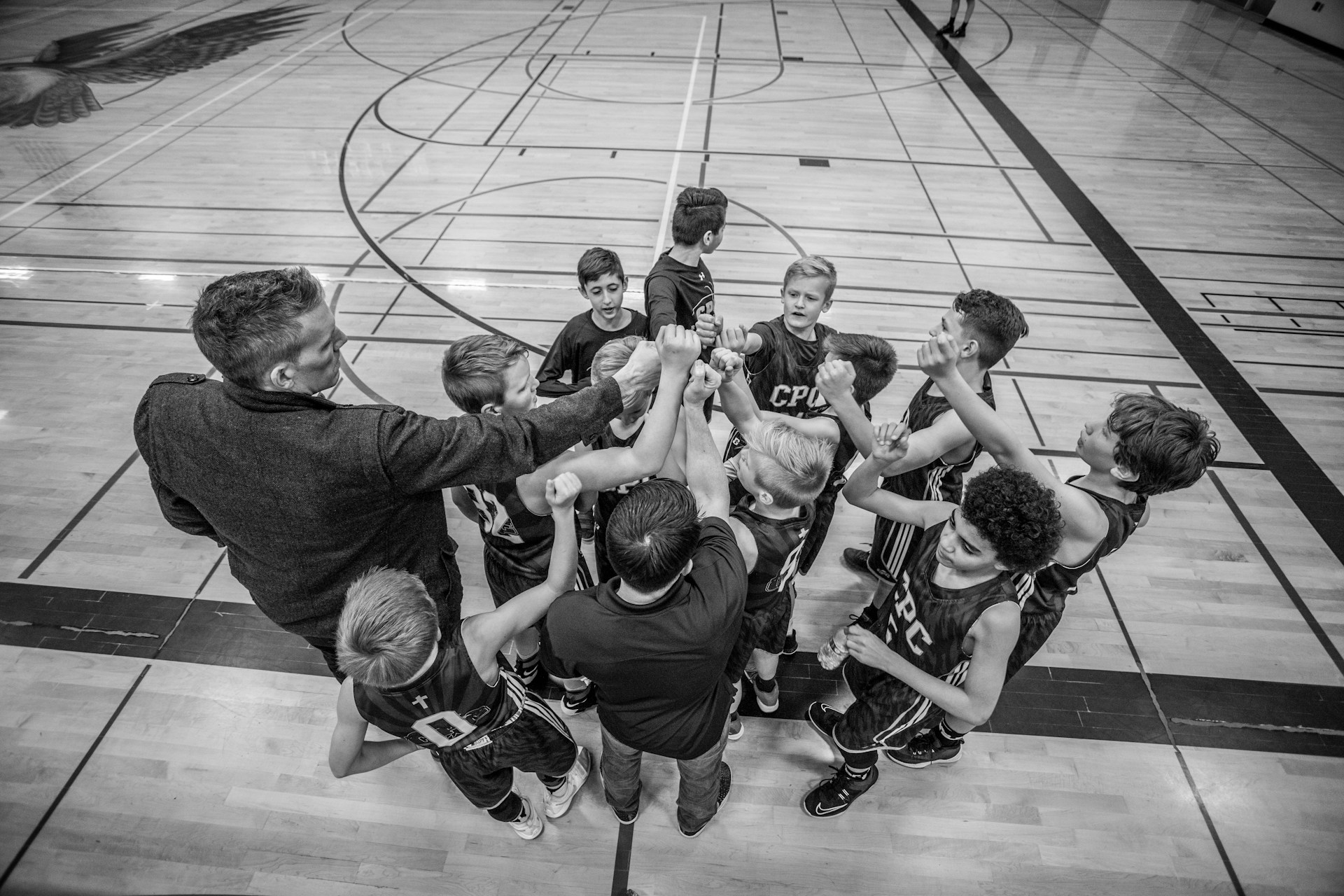
They often forget that the goal is for their team to win. They can help the team achieve that goal by having a strong performance, but also by helping and supporting their teammates. This is a powerful reminder of the importance of teamwork and the collective effort required to achieve a common goal. It’s easy to get caught up in individual performance, but true success usually comes from working together and supporting each other. Collaboration and shared successes build strong teams. Strong teams create successful outcomes.
Consistency Matters
Ask an excellent bowler, pitcher, batter, shooter (basketballs or bullets), pole vaulter, or pickle ball player how they deliver such excellent results. They’ll mention practice, dedication, and a strong mental approach. Eventually they’ll talk about consistency. Each of these pursuits (and countless others) require consistency above all else. The exact motions, body positions, eye contact, and calmness of breath that they can count on happening whether they consciously think about it or not.
Their practice process is all about achieving repeatable actions that their body remembers…every time. They also know that they aren’t swinging for the fences every time they’re at bat, not trying to set the world record or do something extraordinary with every outing.
They are working to become a steady and consistent performer at the highest level possible…and always reaching a little higher.
Consistency, patience, and incremental progress should be the goals…repeatable excellent outcomes will happen as a result of achieving these goals.
Park league baseball is a ton of fun. The drama is real. Teams experienced the “thrill of victory and the agony of defeat” throughout the season. We saw players improving and gaining confidence as the season unfolded.
I don’t know where the teams ended up in the standings at the end of the season.
I know the kids learned a lot and hopefully they’ll incorporate some of what they learned well beyond the game.
Life can often feel like a series of unpredictable events coming at you without end. In this whirlwind, maintaining a sense of humor helps make sense of it all. Humor helps us see challenges not as obstacles, but as opportunities to grow and understand.
Make the Absurd your Friend
Consider this: you’re in the middle of a presentation when your computer suddenly decides to restart for updates. Everyone in the room is waiting, and you’re left standing there. In that moment, you have a choice. You can panic, or you can laugh and say, “Well, I guess my computer decided the razzle-dazzle portion of this presentation is over.” Embracing the absurdity of the situation lightens the mood for everyone involved and shows that you can think on your feet.
Imagine you’re about to start a remote interview. You take that last sip of coffee and spill some on your shirt. You realize this nice brown spot is visible on the screen just as the person interviewing you joins the meeting. It’s easy to let this ruin your day. Instead, you can chuckle and say, “Nothing like spilling coffee on yourself to make a great first impression!” This acknowledges the problem and humanizes the situation. Plus, you’ll have a great story to tell later.
Adding humor to our lives makes us more resilient and improves our attitude. Not taking life too seriously is crucial. Our worries and anxieties are often fleeting. Finding humor in our daily routines, like laughing off an unexpected reboot, shifts our focus from what’s going wrong to what’s funny, fostering a more positive outlook.
Laughter’s Power
Think about a time you were stuck in traffic with friends, running late for an event. Instead of stewing in frustration, someone starts making jokes about the situation, and soon everyone is laughing. The shared humor transforms a stressful experience into a memorable one, strengthening the bonds among your friends.
Laughter connects us to others, breaks down barriers and builds a sense of community. When we share a laugh with someone, we create a bond that transcends differences and fosters empathy. In a world that often feels divided, shared humor can unify. Moments of shared joy are essential to our well-being, reminding us that we are not alone in our experiences.
Life’s unpredictability can be daunting, but it’s definitely a source of great humor if we’re looking for it. By adopting a mindset that finds humor in the unexpected twists and turns of life, we learn to appreciate the randomness of our experiences. Next time something unexpected happens, imagine it as a scene from a sitcom, with you as the lovable main character.
Find humor in the little things. Accept the absurdity, laugh at the unexpected, and share a joke with those around you. Maintaining a sense of humor is not just about finding joy—it’s about making sense of a life that doesn’t always make sense.
As Jerry Seinfeld puts it, “If you can find humor in anything, you can survive it.”







You must be logged in to post a comment.