Things I Wish I Knew When I Was Your Age

I sat down recently to write a letter to my cousin (technically my first cousin once removed), who just started basic training in the Air Force.

What began as a quick note turned into something more. A personal reflection, a bit of a manifesto, and a stack of lessons I wish someone had handed to me when I was just setting out.

By the time I hit “save,” I realized this may be worth sharing with any young person taking their first real steps into the adult world.

The letter was full of life updates, jokes, birthday party planning, movie recommendations, and the occasional 10-year-old version of myself asking random questions. But the main message was you can do hard things, and you’re not alone.

What follows are some ideas that come from years of learning, leading, failing, and reflecting. These are lessons for anyone who finds themselves on the edge of something new.

Leadership begins and ends in your head. Most of your real battles are internal. That voice in your head? It can lift you up or hold you back. Especially in an environment full of rules and pressure, how you think will define who you become. Supportive self-talk, resilient thinking, steady choices.  These are the foundational traits for leadership.

Start before you’re ready. Showing up takes more courage than people realize. You will rarely have everything figured out before you begin. Your best opportunities for growth will come from figuring things out while under pressure. That discomfort you feel is a sign that you’re on the edge of growth.

Do the next right thing. When life gets overwhelming (and it will), it helps to stop trying to solve everything all at once. Pause. Breathe. Do the next right thing. That’s enough. The bigger picture tends to take care of itself when we’re faithful and focus on the next indicated step.

You belong here. The feeling that maybe you’re not ready, or that someone else would be better suited for the challenge in front of you. That’s normal. But it doesn’t mean you don’t belong. The truth is you do belong. You’ve earned the right to be where you are. And you’re growing stronger every day, even if it doesn’t feel like it in the moment.

Respect is the foundation of everything. Not just the kind of respect that comes from rank or titles, but the kind you live out through humility, consistency, and quiet honor. When you offer that kind of respect, you build trust. And trust is what makes people want to follow your lead.

When the going gets tough, remember why you started. Every hard day will test your resolve. Every early morning, every setback, every lonely hour…these are the places where you’ll either lose sight of your purpose or anchor more deeply into it. Purpose doesn’t remove difficulty, but it gives meaning to the difficulty. And that’s enough to carry you through.

Discipline equals freedom. I shared this piece of advice that comes from Jocko Willink, former Navy SEAL, war veteran, and a powerful voice on discipline and leadership. He says, “Discipline equals freedom.” The more discipline you have, the more freedom you gain.

Discipline gives you control. Over your body, your mind, and your choices.  Freedom to choose your future. Freedom to trust yourself. Freedom to follow through, especially when motivation fades.

You won’t always feel motivated. That’s okay. Stay disciplined. Show up. Do the work. That’s how you earn freedom. One decision at a time.

“Don’t wish it were easier. Wish you were better.” A classic quote from Jim Rohn. There’s no shortage of obstacles. The goal isn’t to escape them. It’s to grow strong enough to rise above them. The learning curve is real.  Learn, adapt, overcome…become better and things will become much easier. 

About those movie recommendations I mentioned earlier. It’s probably more accurate to call them story recommendations.  Stories about honor, resilience, human ingenuity, and the willingness to keep going when things are difficult. 

We Were Soldiers, an amazingly good movie about strategic servant leadership (which is my preferred style of management), bravery, and the love that comrades in arms have for one another.  It’s a great tribute to the men who fought (many who gave their lives for the guy next to them) and their brave families back home.  I think I’ve seen it at least 25 times and I’m happy to watch it anytime. Each time I watch it, I tear up in at least 2 or 3 places in the movie. 

Ocean’s 11 and The Sting, two films that focus on creative problem solving and teamwork…though our “heroes” in these movies are con men and thieves. 

The Princess Bride made the list. The value of honor (even among combatants), mixed with the comedic and spoofy scenes make it a classic. Even in a world of duels and danger, kindness, respect and loyalty still matter.

I suggested Seveneves by Neal Stephenson. A science fiction novel (my favorite genre for at least the past 10 years) about human survival, adaptation, and rebuilding civilization after catastrophe. The premise is that an asteroid causes the moon to shatter.  What starts out as an oddity in the sky becomes a calamity as the moon breaks up into a ring and then begins to rain down to Earth (something they call the Hard Rain).  Great sci-fi, lots of human ingenuity and adaptability, and a story that covers about 5,000 years.  It’ll take some time to read, but it’s worth it.

Two books by Andy Weir.  The first is The Martian (which became a movie starring Matt Damon), and the second is Project Hail Mary.  Andy wrote The Martian in 2011 and self-published it on Amazon.  It picked up fans and became a bestseller without an “official” publisher.  His second book was called Artemis (takes place on the Moon).  It was good, but not quite as good as The Martian (which is a high standard, so I’m probably being unfair). 

His third book was Project Hail Mary.  This one is also being made into a movie, starring Ryan Gosling. It is excellent. 

The big thing about Andy’s books is that they are scientifically accurate. His characters deal with extremely complex challenges that require thinking and ingenuity to overcome. He writes in a way that entertains and teaches things you never knew.

I love that Andy wrote his first book from beginning to end without any publisher involved. Nobody was there to tell him what he was doing was the right thing.  He believed in himself, believed in the story he was telling, focused on the work, delivered a high-quality product, and proceeded to find his audience one reader at a time.     

All these stories reflect truths about the path ahead. Your journey will be hard. You’ll need grit, creativity, and perseverance. You’ll need others (family, friends, mentors, even strangers). More often than not, the tools to overcome life’s challenges will come from within yourself, quietly shaped by the stories you carry and the habits you form.

Whatever new thing you’re stepping into, whether it’s basic training, a new job, a cross-country move, or a new phase in your life, know that it’s okay to be unsure. It’s okay to feel stretched. Just remember your “why,” do the next right thing, and keep showing up with courage.

And who knows? Maybe decades from now you’ll be the one writing a letter like this, passing along what you’ve learned…

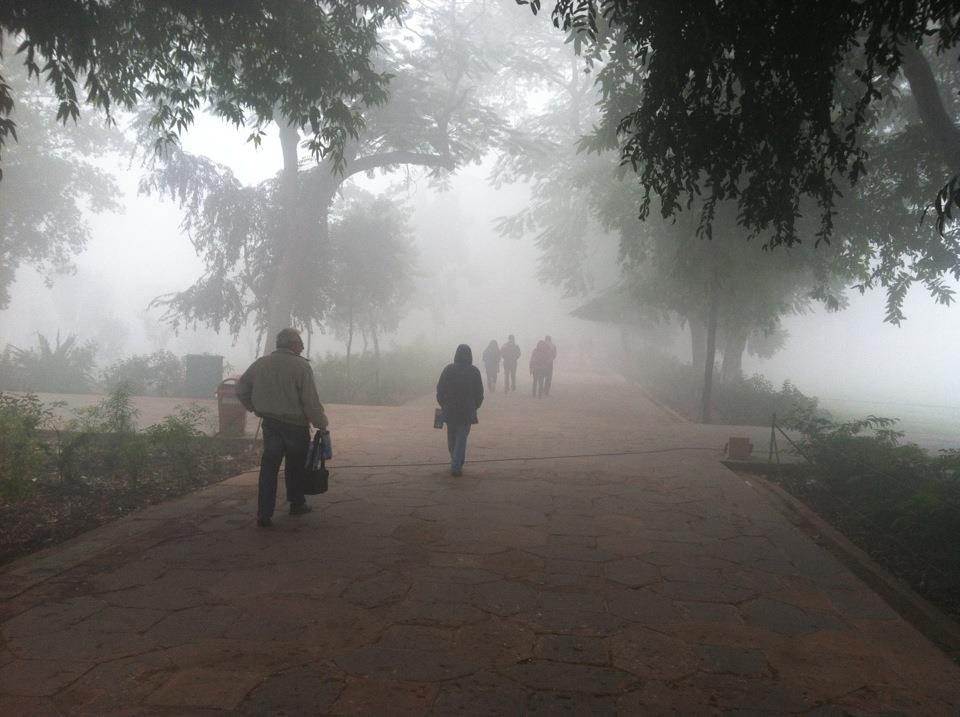
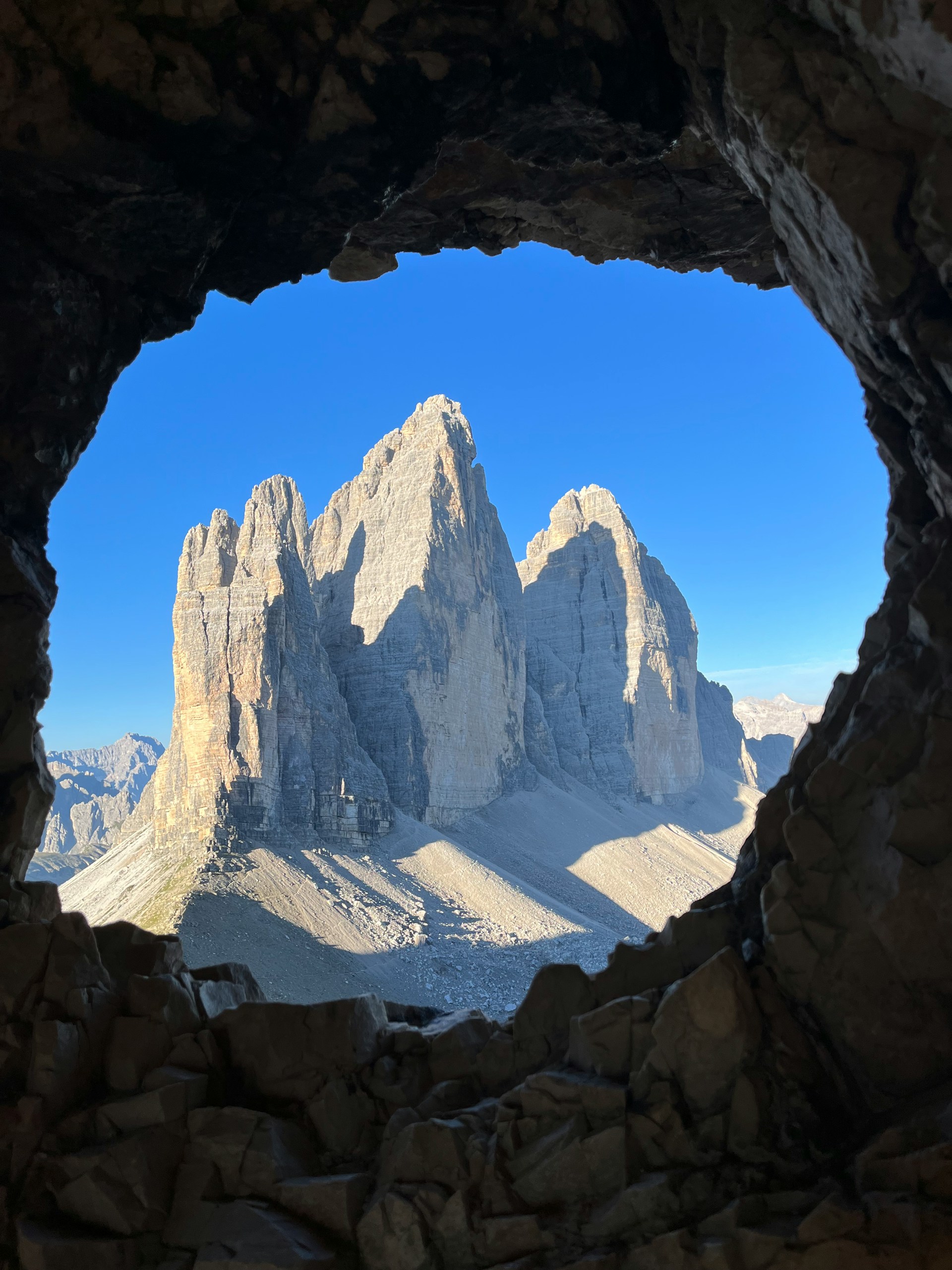
Photo by Justin Cron on Unsplash

The Way of Water

“Nothing in the world is as soft and yielding as water. Yet for dissolving the hard and inflexible, nothing can surpass it.” – Tao Te Ching, Chapter 78

Water moves around, through, or beneath whatever resists it. It adapts. And in doing so, it shapes mountains, smooths stone and carves out entire landscapes. Its quiet and steady strength endures, and transforms.

Some of history’s greatest leaders have embodied this same soft strength…few more clearly than Saint Teresa of Calcutta.

She was small in stature and quiet when she spoke. She lived a life defined by simplicity and humility. But her leadership moved nations.

Heads of state sought her advice. Governments stepped aside to let her mission continue. And her Missionaries of Charity, formed with only a handful of sisters, grew into an international force of compassion serving the poorest of the poor.

When the Indian government initially refused her permission to work in Calcutta’s slums, she didn’t protest or make demands. She simply thanked them, smiled, and began serving the dying on the streets anyway.

Her quiet, consistent actions spoke louder than any argument. Within months, officials were granting her permission and offering resources and support.

Like water finding its way through the smallest cracks in stone, she found the path through quiet, faithful persistence.

“Not all of us can do great things. But we can do small things with great love.” – Saint Teresa of Calcutta

In leadership, force can create motion, but usually at the expense of trust, creativity, and ownership from the people you’re leading. When leaders rely on authority, titles, or pressure to drive results, they may achieve short-term compliance, but they rarely inspire long-term commitment or innovation.

Instead, they create environments where people focus on rules more than results, and on compliance rather than creative contribution.

Gentle, listening-based leadership works differently.

It adapts without losing direction. It invites people to bring the best version of themselves and creates space for their growth. Like water, it finds ways around obstacles, sometimes slowly and sometimes all at once…but always with clarity and purpose. 

Water teaches us that soft can be strong. Let it shape how you lead.

Soft, persistent power moves mountains, changes hearts, and builds trust.

One quiet drop at a time. 

Photo by Trac Vu on Unsplash

I Was Just Wondering…

Are the stars just as bright from above as they are down here?

Do you get to see the ones you love? Your parents, your brothers and sisters, your old neighbors, that one special friend who always made you laugh?

Is there coffee in Heaven? Is it better than your favorite blend on a cold desert morning?

Do you remember everything now? Things once forgotten.

And now that you know, what do you know?

Do you hear us when we talk about you? When we laugh at your stories and try to retell them just right?

Do you miss us, or does love work differently there?

Can you see how much we love you still?

Are you proud of the life we’re trying to live?

Do you see how we carry your lessons forward, quietly passing your wisdom down, one small act at a time.

I wonder if you recognize your love moving through our family in the lives your grandkids and great-grandkids are creating.

And I was just wondering…

When it’s my time, when I finally get to see what you see, will you be waiting for me with open arms, and smiles, and one of your special meals that feels so much like home?

I think so.

But for now, I’ll keep wondering. 

Photo by Greg Rakozy on Unsplash

Leadership That Lasts Beyond the Finish Line

In high school, I had the good fortune of running cross country under a man named Mr. Smuts. Our coach and my 11th grade AP U.S. History teacher. He was the kind of leader who quietly influenced growth in those around him. 

He didn’t bark commands or demand the spotlight. On race day, while other coaches were shouting themselves hoarse, Mr. Smuts would position himself at the mile markers. Calm, steady, present. As we passed, he’d simply call out our split times. No cheering. No panic. Just numbers.

We didn’t need anything else.

He had trained us so well that those times were all the feedback we needed. We knew what they meant. We knew what he expected. And we knew he believed in each of us (even the slow guys, like me).

When we crossed the finish line, sometimes ahead of the competition, sometimes not, he’d quietly remind us that the real opponent wasn’t the other team. It was the clock. It was ourselves.

That quiet challenge made us better. Not just as runners, but as young men.

Mr. Smuts embodied a rare approach to leadership. Seeing others more than being seen. His confidence in us was contagious. His calm became our calm. His consistency helped us believe that showing up and giving our best effort, day after day, was enough to grow into something exceptional.

For a bunch of teenagers full of energy and bravado, his presence could have been drowned out by flash and high school nonsense. But instead, we listened closely. We trusted deeply. And we ran harder.

His leadership style reminds me of a line from the Tao Te Ching:

“When the best leader’s work is done, the people say, ‘We did it ourselves.’”

That’s exactly how it felt. We crossed those finish lines thinking we had pulled it off on our own. Only because he had quietly laid the foundation beneath our feet.

True leaders create space for others to rise.

The Tao Te Ching calls it wu wei, effortless action. Like a river flowing around rocks instead of smashing into them. Doing the right thing at the right time and then stepping back to let the results take root.

Ronald Reagan once said, “There is no limit to what a man can do or where he can go if he doesn’t mind who gets the credit.”

This could have been written about Mr. Smuts.

He led in a way that called attention to others rather than himself. His approach shaped how we performed, how we grew, and how we learned to lead ourselves. His impact showed itself in the confidence he helped us build and the standard of excellence we still carry with us today.

The next time you find yourself in a leadership role at work, in your family, or on any team, ask yourself:

-Am I trying to be the hero, or trying to build others up?

-How can I lead with quiet influence?

-Can I let go of credit and trust the process I’ve helped shape?

The best leaders don’t stand in front of their people. They stand with them, sometimes just off to the side, calmly calling out split times as the race unfolds.

And when it’s over, they nod to themselves, knowing they’ve done their job.

The rest of the story: Mr. Smuts earned his doctorate in Leadership and became Dr. Smuts not long after my time at Cerritos High School (Class of 1984).  He went on to become the school’s principal and ultimately the school district’s Superintendent of Schools for many years, before retiring in 2012. He continues to enjoy his retirement years.

Dr. Smuts is a leader who inspired (literally) thousands of kids (and adults). 

This video provides a brief glimpse of this truly inspiring and gentle man in 2012 as he prepared to retire. It also highlights my high school campus that looks very much like it did four decades ago.  

The Thing Before the Thing IS the Thing

Somewhere along the way, I’ve noticed a quiet truth.

The thing I was working toward (the goal, the vision, the project, the finish line) always required other steps. Preparation. Research. Practice. Training. A foundation. A warm-up.

While I tried to focus on the thing I wanted to do, most of my time was spent doing all the other things that needed to happen first.

Building a deck means hauling lumber, squaring the posts, digging holes…and at least three trips to Home Depot. Writing a book means staring at blank pages, deleting paragraphs (and chapters), and researching obscure details that may never make it to print. Staying in shape means lacing up your shoes at dawn when no one else is watching. Starting a business means filling out countless forms, talking to lots of people who say no, and revisiting your reasons why, countless times. 

These tasks are not detours or distractions. They are merely steps on the journeys we’ve chosen.

If we can learn to love these quiet and often unnoticed tasks that prepare the way, we may find the joy we’re seeking was there all along.

We might discover that the thing we’re chasing isn’t the prize. It only led us to the road we were meant to walk. To meet the people we were meant to meet.

So go ahead. Lace up your shoes at dawn. Cut that first board. Tape off all the areas you don’t want to paint. Make that first sales pitch. Get to know people you never expected to meet.

Embrace all the steps that come before the thing.

It turns out, they are the thing.

“Give me six hours to chop down a tree and I will spend the first four sharpening the axe.” — Abraham Lincoln

Photo by Brett Jordan on Unsplash

Pausing at the Halfway Mark

July 2nd is about a week away.  That will be the 183rd day of the year. The halfway point.

I usually think of the summer solstice as the halfway point since the days start getting shorter after that. 

Either way, it’s a good time to reflect.

Think back to January. Back then, you were probably wondering how to shed a few of those extra pounds you gained over the previous two weeks.

While sipping your leftover peppermint cocoa on New Year’s Day, what goals or intentions were on your mind? Did you write them down? Did you share them with anyone?

Be honest with yourself. What have you done that moves you closer to achieving any of the goals you set six months ago? Even small steps count.

Do those goals still matter to you? Have you added new goals since then?

Whatever your answers, write them down. Pick one thing to act on this week to get back on track. Movement builds momentum, and maintaining momentum is the key to achieving any goal.

Don’t forget to celebrate. A new productive habit. A relationship strengthened. A busy season endured (every industry seems to have one).

These quiet victories matter. They deserve your recognition.

Halfway through the year, the invitation is simple. Reflect. Realign.

Begin again.

Side note: Consider doing this exercise with an even larger time horizon. 

-What were your goals 10 years ago?  20 years ago?

-Are those goals still important to you? 

-Have you made progress on any of them?

-What are your goals for the next 10 years? 20 years?

-What concrete steps will you decide to take over the next 6 months to make progress on at least one of your 10-year goals?

Photo by Elliot Pannaman on Unsplash – why this image out of the thousands I could have chosen from Unsplash?  My focus wasn’t on the stark, still, wintry vibe (although that’s nice).  I was captured by the story it conveys. In my imagination, this person set out to cross the entire lake. Clearly, their chosen path wasn’t successful. Poor planning?  Lack of vision?  Who knows? 

But the halfway point is a moment like this. A pause at the edge, where we get to decide if our goal still matters. If it does, it’s time to retrace, replan, and re-commit to accomplishing what we set out to achieve.   

Time Does Not Heal All Wounds

“Time heals all wounds,” people say when someone we love dies. It’s a phrase offered like a Band-Aid for a broken bone. Well meaning, but inadequate for the depth of what we’re facing.

For those who have lost a daughter, a son, a spouse, a parent, a sibling, a dear friend, the truth is something different. Time doesn’t heal. It changes things, yes. It allows us to move, to function, to smile even, but it does not erase their absence. That lives inside us, a permanent resident.

When I searched for quotes and stories from others who had walked this path before me (writers, psychologists, fellow travelers through loss), I discovered that my feelings aren’t unique or abnormal.

The bereaved across time echo the same truths I’m living.

I’ve heard that grief follows a pattern of denial, anger, bargaining, withdrawal, and finally, acceptance. That may all be true. It sounds like a clean process. Just a series of steps we must go through to get to the other side.

But that path has no clean endpoint. It can stall, restart at the beginning, skip and repeat steps while never reaching a conclusion. The grieving process never ends. We merely learn to function with our grief, and we do so in our own way, as imperfectly as we do everything else in life.

Author Jamie Anderson found words for what many of us feel but struggle to express: “Grief, I’ve learned, is really just love. It’s all the love you want to give but cannot. All that unspent love gathers up in the corners of your eyes, the lump in your throat, and in that hollow part of your chest. Grief is just love with no place to go.”

This captures exactly what happens when we reach for the phone to call them or save up a story we can’t wait to tell them. Only to remember a second later that they’re gone.

Grief isn’t a single event but a series of small realizations, each one a fresh cut.

C.S. Lewis, after losing his wife Joy, wrote about the persistence of absence: “Her absence is like the sky, spread over everything.” In his book “A Grief Observed,” Lewis documented what it feels like to live inside loss. “No one ever told me that grief felt so like fear. I am not afraid, but the sensation is like being afraid. The same fluttering in the stomach, the same restlessness, the yawning. I keep on swallowing. At other times it feels like being mildly drunk, or concussed.”

This is the lived experience of a body trying to process what the mind struggles to accept.

Joan Didion echoed this truth when she lost her husband, John Gregory Dunne. In “The Year of Magical Thinking,” she wrote, “Grief turns out to be a place none of us know until we reach it. It’s a foreign country with its own customs, its own weather, its own bewildering geography.”

There is no timeline. No tidy arc where pain transforms into peace according to some predetermined set of rules.

Dr. Lois Tonkin, working as a grief counselor in the 1990s, discovered a different truth about what healing actually looks like. A client whose child had died years earlier drew her a picture showing how her grief had initially filled her entire life. A small circle almost completely consumed by loss.

But over time, something unexpected happened. The grief didn’t shrink. Instead, her life grew larger around it. There was now space for new experiences, relationships, and meaning alongside the loss. This became known as Tonkin’s Model of Grief.

Like a tree growing around a piece of metal embedded in its trunk. We don’t absorb or eliminate the foreign object. We grow around it, incorporating it into our new shape.

This model shows us that time doesn’t diminish our grief. But it expands our capacity to hold other things along with it. Some days our grief surprises us with its suddenness. A song, a scent, a birthday or anniversary, seeing a classic car they used to drive. Other days we’re living fully in the expanded space around our grief, discovering we can hold both the wound and the wonder.

We must learn to carry the sharp pain of their absence while having gratitude for the gift of having known them at all. Our capacity to feel gratitude for the life we shared can provide much needed comfort, even though we’ll never stop missing them.

Some of the most tender truths come from those who’ve lost children. Elizabeth Edwards, who lost her 16-year-old son Wade in a car accident, offered this reminder, “If you know someone who has lost a child, and you’re afraid to mention them because you think you might make them sad by reminding them that they died, you’re not reminding them. They didn’t forget they died. What you’re reminding them of is that you remembered that they lived, and that is a great gift.”

Writer Megan O’Rourke, in her memoir “The Long Goodbye” about losing her mother, captured the peculiar contrasts of grief. “You look fine. You act fine. But inside, you are not fine. And you know it will never be the same.”

This is the hard reality of grief. The simultaneous existence of functioning and not-functioning, of healing and not-healing, of being okay and not-okay. We learn to carry both states, often within the same moments.

So no, time does not heal all wounds.

Time teaches us that we can be broken and whole simultaneously. That we can miss someone terribly and still find reasons to laugh. That love doesn’t end with death. It merely changes form, expressed as the very grief we wish we could escape.

In learning to live with our wounds, we hopefully discover something about ourselves. Our capacity to grieve deeply is evidence of our capacity to love more deeply than we ever thought possible.

And maybe that’s the real truth about time and grief.

“Blessed are those who mourn, for they shall be comforted.” – Mathew 5:4

“The Lord is near to the brokenhearted and saves the crushed in spirit.” – Psalm 34:18

“Love never ends.” – 1 Corinthians 13:8

Photo by Noah Silliman on Unsplash

I’m Not That — What You’re Not Might Be Holding You Back

Sometimes the hardest limits aren’t what we believe we are…but what we’ve decided we’re not.


Leader: I’m hitting a wall. No matter how hard I try, something’s stuck.
Coach: Where?
Leader: Connecting with my direct reports. The one-on-one meetings. All the details. I’m just not wired for any of it.
Coach: You sure?
Leader: I’ve never been good at connection. I’m not super technical. I’m not touchy-feely. I’m not a detail person.
Coach: Sounds like you’ve got your “not” list down cold.
Leader: Isn’t that just self-awareness?
Coach: Could be. Or maybe you’re protecting yourself with that list.
Leader: I’m not trying to be someone I’m not.
Coach: Are you avoiding someone you could become? What if the growth you’ve been chasing is on the other side of “I’m not”?
Leader: What if I do all that work and don’t like what I find?
Coach: Then you’ll learn something real. But what if you find a strength you didn’t know you had?
Leader: That feels like a stretch.
Coach: Growth usually does.


“Ego is as much what you don’t think you are as what you think you are.”
Joe Hudson

We usually spot ego in people who overestimate themselves. Their arrogance and swagger enter the room before they do.

But ego has a quieter side. It hides in the limits we quietly accept. Not in who we think we are, but in who we’ve decided we’re not.

“I’m not technical.”
“I’m not good at details.”
“I hate public speaking.”

These negations, the things we distance ourselves from, might feel like declarations of strength and clarity.

But often they are boundaries we’ve unconsciously placed around our identity. Once we’ve drawn these lines, we stop growing beyond them. They protect us from challenges, discomfort, and the hard work we know will be required.

Leaders who define themselves by what they aren’t often:

-Avoid feedback that challenges their identity.

-Miss chances to adapt or grow.

-Choose the path of least resistance.

-Struggle to connect with different types of people.

-Dismiss skills they haven’t developed (yet).

If you’re feeling stuck, ask yourself:

-What am I avoiding by saying, “I’m not that”?

-What am I protecting by holding on to that story?

-What might open up if I let it go?

Sometimes the next chapter of growth begins not with a new strength, but with a willingness to loosen our grip on the stories we tell ourselves.

If you want to grow as a leader—or help others grow—it’s not enough to ask, “Who am I?”

You also have to ask, “What am I willing to become?”

Photo by Amir Mortezaie on Unsplash

The Next Generation—Are They Ready?

I received an email from Noah Kagan this week. Not because we’re personal friends, but because I subscribe to his newsletter. Noah, the CEO of AppSumo, often shares practical insights and thought-provoking questions from his journey in the tech world.

This particular message stood out. He talked about being fearful for his 10-month-old daughter’s future. With all the chaos in the world, the deepening divides, the rise of AI and robotics, the general noise of modern life, he wonders what kind of world she’ll inherit.

But instead of spiraling into worry, Noah laid out how he’s choosing to respond: by creating clarity, limiting distractions, and doubling down on the things that matter most. He’s building a foundation, not just for his own peace of mind, but for his daughter to inherit.

His email reminded me of a quote often attributed to Mark Twain: “The future is in the hands of a generation that isn’t ready for it.”

We didn’t have AI, social media, or the internet back in Mr. Twain’s day. But even then, concerns about “the next generation” were nothing new. Parents, teachers, and elders across every era in history have wondered if the next generation is truly ready.

Noah’s concern isn’t just that the next generation might be unprepared. It’s that the world itself might be too broken to navigate well. But history offers some perspective.

Every generation has faced challenges.  Wars, famines, political collapse, pandemics, technological upheaval, moral drift. And yet, the world moves forward. Somehow, each generation rises to meet its moment…even if their preparation feels lacking.

We don’t get to control the future, but we do influence it by how we live, what we model, and what we choose to pass on. We can’t predict what our children and grandchildren will face, or how they’ll respond. But we can teach them how to think, how to hold on to timeless values, and how to walk through hardship with strength and grace.

It’s natural to worry.

Let’s not forget that hardship doesn’t cancel out beauty.

Struggles don’t erase joy.

There will be triumphs ahead, too. If we’ve taught them well, they’ll learn to spot their small victories, celebrate them, and then pass along what matters to those who come after.

The future always arrives in the hands of the young—and the young are never quite ready. But then again, neither were we.

Photo by Timon Studler on Unsplash

What Your 70-Year-Old Self Knows That You Don’t

We know about Maslow’s Hierarchy of Needs and how our wants and desires are like a pyramid that goes from our basic needs up to our desire for self-actualization. The Pareto Principle reminds us that 80% of our results come from 20% of our efforts, helping us focus on what truly moves the needle. Saint Ignatius’s Spiritual Exercises guide us through discernment, teaching us to distinguish between what brings life and what drains it.

But there’s another framework worth considering: the evolution of what we consider important throughout our lives.

As kids, we know what’s most important. It usually revolves around attention, followed by winning at whatever we are doing, which we think will get us more of that attention we crave. Everything feels urgent. Every disappointment feels permanent. The world revolves around us, and that’s exactly as it should be for a child learning to navigate life.

Teenagers start to focus on freedom, independence, and figuring out what they’re going to do when they grow up (whatever that means). They often reject what their parents value. Sometimes for good reasons, sometimes solely because rebellion feels necessary for finding their own path. What matters most is breaking free from the constraints that feel suffocating, even when those constraints were designed to protect them.

As young adults, we’re getting started, establishing our independent life, our financial foundations, our career foundations…at least we’re trying to get these things established. We’re in acquisition mode: getting the job, the apartment (maybe a house), the relationship, the respect (something we crave more than attention at this stage). We often dismiss advice from older generations, convinced they don’t understand how different the world is now.

Then something interesting happens.

As the decades flow by, what was important a few years ago, isn’t. We start to think about how to serve others, help our kids flourish, help their kids flourish. The shift is gradual but profound. From getting to giving, from proving ourselves to improving the lives of others.

Major life events accelerate this evolution. A health scare makes us realize that all the success in the world doesn’t matter if we’re not here to enjoy the fruits of our labor. The birth of a child or grandchild suddenly makes legacy more important than achievement. The loss of a parent reminds us that time is finite, and relationships are irreplaceable.

Sometimes the shift happens more quietly. Earlier this week, two co-workers were discussing the NBA finals and asked me what I thought of Game 2.  I had to admit that I haven’t followed basketball since the Magic Johnson era of the Lakers. As we talked, it became clear to me that I haven’t followed any sports—except for the Savannah Bananas baseball team’s shenanigans—in many years.

What captures my attention now? I’m drawn to watching people live their best lives in rural settings, building homesteads for themselves and their families. I find myself rooting for others to succeed in their chosen vocations, nothing more, nothing less. It’s not that sports became unimportant because they were bad. They just became less important than something else that feeds my soul more deeply.

As we get older, preserving our health, and the freedom that comes with it, moves toward the top of our priority list. Interesting how the freedom we sought as teenagers is still important to us in our senior years, but for different reasons. Then, we wanted freedom and thought we were ready for responsibility.

Now, we want freedom to focus on what truly matters. Freedom to be present for the people we love, freedom to contribute in meaningful ways, freedom from the noise that once seemed so important.

There’s a beautiful irony in how we often spend the first half of our lives accumulating things, achievements, and accolades, only to spend the second half learning to let go of what doesn’t serve us. We chase complexity when we’re young and value simplicity as we mature.

Questions worth considering:

– What would happen if we could skip ahead and see what our 70-year-old self considers important? What about our 80-year-old self? Would we make different choices today knowing what they know?

– Why do we have to learn the hard way that some of the things we chase don’t matter? Is there wisdom in the struggle, or are we just stubborn?

– How can we be more intentional about evolving our priorities on our terms instead of waiting for time to do it?

– What if we could honor the lessons each life stage provides without completely losing face and dismissing what came before?

The evolution of importance isn’t about getting it right or wrong at any particular stage. It’s recognizing that growth means what we value will shift.

That’s not a bug in the system. It’s a feature. The teenager’s desire for freedom isn’t foolish. It’s necessary for their development. The young adult’s focus on building a foundation isn’t shallow. It’s essential for future stability.

Perhaps the real wisdom comes in staying curious about what matters most. Knowing that the answer will keep evolving. And maybe, just maybe, we can learn to trust that each stage of life has something valuable to teach us about what’s truly important.

The key is staying awake to the lessons, even when they challenge what we thought we knew for certain.

Photo by Filip Kominik on Unsplash