Goals for 2025

I’ve never been a New Year’s resolution person.

Maybe it’s all my time spent working in businesses over the past four decades. We often start each year with a set of specific strategic goals. Some are grounded and achievable; others are wish casting—a small dream of what we might accomplish if everything aligns perfectly (spoiler alert: it rarely does).

This year my goals are simple, but not easy: 

Serve the quests of others over my own.
True fulfillment comes from supporting others in their quest, even if that means setting aside my own ambitions.

Offer insights and advice, not direction.
The path others take isn’t mine to choose. My role is to illuminate possibilities, not dictate outcomes.

Push beyond my comfort zone and (hopefully) inspire others to do the same.
Growth begins at the edge of what’s familiar. By challenging my own boundaries, I hope to encourage others to stretch theirs as well.

Bring the loaves and fishes—and trust God with the rest.
(h/t to Dallas Jenkins for this beautiful idea) It’s a reminder to offer what I can and trust in someone much greater to amplify my impact.

Warmest wishes for a Happy New Year in 2025!

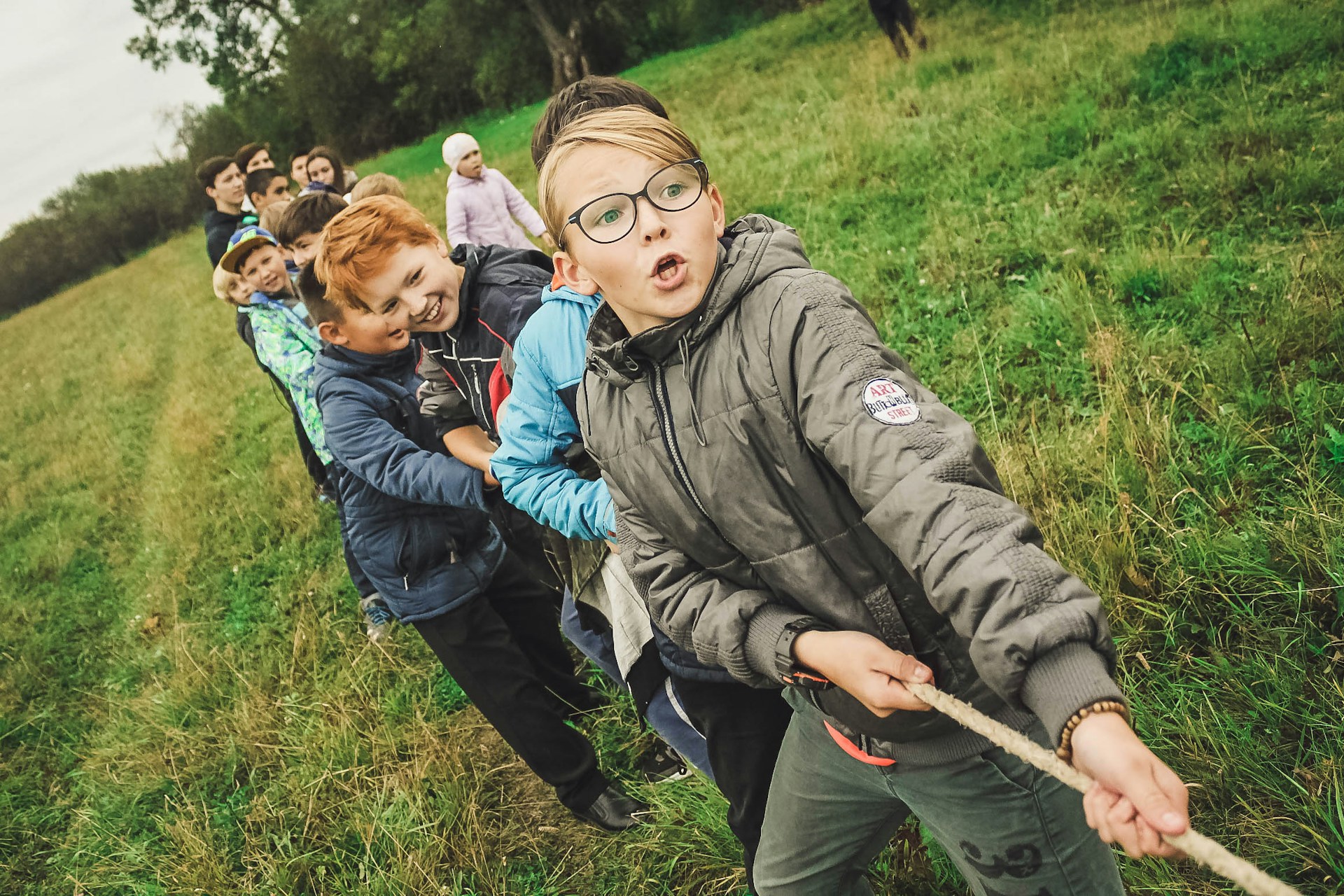
Photo by BoliviaInteligente on Unsplash

Finding Hope at the Manger: A Christmas Poem

The winds arrive, sharp-edged with frost,
Carrying whispers of all we’ve lost.
Yet still, we gather where light abides,
Tracing joys where memory hides.

The manger waits beneath the sky,
Its humble wood holds heaven’s cry.
A Child is born, both meek and bold,
To mend the hearts that grow cold.

Here at the manger, shadow and light,
Joy interwoven with sorrow’s might.
A promise breathes where silence stirs:
“Fear not—for I have heard your cry.”

Words awaken, dormant long,
Noel and tidings weave their song.
Through flickering trees and spiced perfumes,
Old faces linger in quiet rooms.

Empty chairs hold stories near,
A laughter faint, a single tear.
Yet love persists where loss has tread,
Its echoes call where angels led.

Here at the manger, shadow and light,
Joy interwoven with sorrow’s might.
A promise breathes where silence stirs:
“Fear not—for I am sending my Child.”

O silverware that gleams with fire,
O fragile ornaments that inspire.
In every sparkle, a truth takes hold:
The story that’s not fully told.

For every shadow cast by light,
There burns a flame against the night.
And every sorrow, every tear,
Is met by love that lingers near.

Here at the manger, shadow and light,
Joy interwoven with sorrow’s might.
A promise breathes where silence stirs:
“Fear not—for the Child is here.”

Across the miles, through time and space,
The ties of love refuse to break.
Each prayer, each carol, each whispered word
Carries the weight of the Hope we’ve heard.

The Child has come, and so we sing,
For in His hands rest everything.
The hollow aches, the brightest cheer—
All held in grace, all gathered here.

Here at the manger, shadow and light,
Joy interwoven with sorrow’s might.
A promise breathes where silence stirs:
“Fear not—for I AM with you until the end of time.”

The bells resound with heaven’s cheer,
For Christ is born, and love draws near.
The angels sing, the nations rise,
A holy joy fills earth and skies.

O love that soars, O joy that stays,
We join the hymn of endless praise.
In manger low, our hearts proclaim:
The world redeemed by Jesus’ name.

Here at the manger, shadow and light,
Joy interwoven with sorrow’s might.
A promise breathes where silence stirs:
“Fear not—for the Child Jesus is Born.”

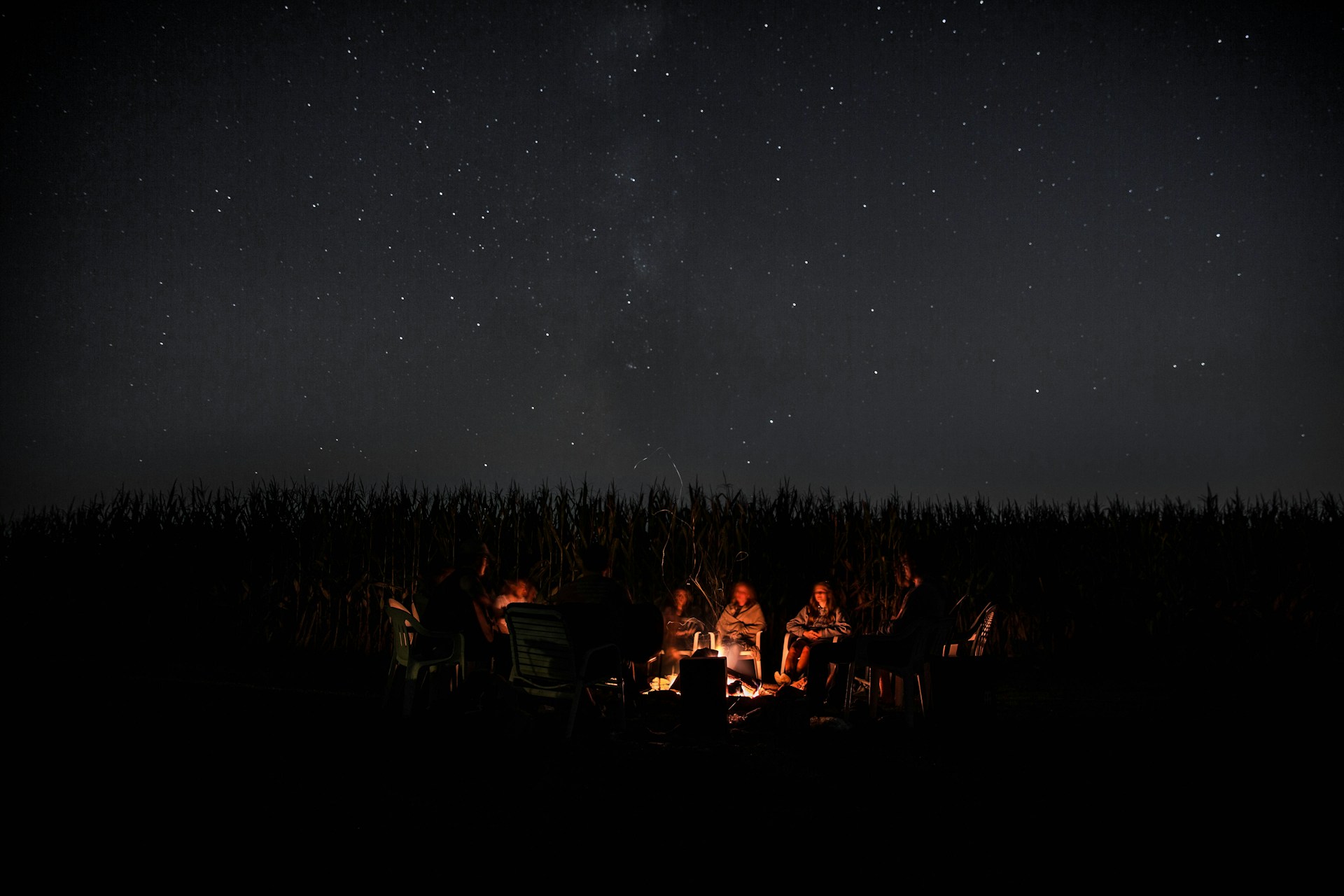
Photo by Mariana B. on Unsplash

The Manger and the Memories: A Christmas Story

It happens to all of us this time of year. The days get shorter, the winds grow crisper.  Something stirs within us that doesn’t quite fit the mold of any other season. There’s joy, sure—joy enough to make us believe in miracles again. But alongside that joy, like the shadows cast by twinkling lights, there’s a touch of sorrow. Like an old friend who shows up every December, pulls up a chair, and says nothing at all.

Words that lie dormant eleven months out of the year come alive at Christmas time. Jingle Bells. Rudolph. Good tidings. Noel. The Manger. Words so beautiful and strange, yet they create beautiful poetry on our hearts.  Sugarplums dancing in dreams. Mulling spices on the stove. Decorations we see only in this season but remember more fondly with each passing year—twinkles of joy at their best, empty reminders at their worst. And somehow, merriment and brightness find their way in, even when the years haven’t always been kind.

If you listen closely, you can hear hymns calling us across the cold and lonely nights:

“O come, O come, Emmanuel”

“Silent Night”

“What Child is This?”

There’s a funny thing about Christmas—it’s a season of paradox. A time for rejoicing, and a time for remembering. For celebrating, and for mourning. All in the same breath.

Every year, the world gathers around a single story. A manger in Bethlehem, where our Savior came as a child. It’s a story that whispers hope into the cracks of our broken hearts.

“Fear not, O Zion, be not discouraged!” That’s what the prophet Zephaniah said. “The Lord, your God, is in your midst.” And somehow, two thousand years later, we do believe. We light candles and sing songs of joy—because we need to. Because joy matters.

It’s funny how much effort we put into this season. Trees trimmed. Ornaments hung. Villages built. Wishes made. And when the last batch of cookies or Cornish pasties come out of the oven, we sit at tables crowded with food, and laughter, and the people we love. Sometimes we even catch a glimpse of something eternal in it all—the way the lights reflect off the fancy silverware, or how a child’s eyes light up at the first sight of presents.

But there are empty chairs. They’re harder to discuss. Maybe it’s a father, a mother, a grandparent, or a sister. Maybe it’s a friend, a brother, an aunt or an uncle who have gone far too soon. We feel their absence even more at Christmas. We see them in the lights we hang, and the hot chocolates that we make. We hear them in old songs, the ones we used to sing.

And then there are the faces we miss in another way—our family who are still with us but just too far away. The ones across states, oceans, and time zones. We think of them when we pull out the old family recipes and photo albums.  We wish they could be here to see the kids open presents, to share in the laughter over the pies that we burned, or took out too soon.  But instead, we send texts and pictures, leave voicemails, and whisper a prayer hoping they know how much they’re loved, even from so far away.

Yet even in sorrow, there’s something beautiful. Because love never really leaves us. And maybe that’s the greatest promise of Christmas—the one hidden behind all the ornaments and stockings, and twinkling lights. That the Child who came to a manger promises us something more. He promises that the story isn’t over. That one day, we’ll all sit at a table that never empties, in a place where joy knows no end.

For now, we celebrate as best we can. We bake our pies and pour our cider. We listen for sleigh bells in the distance and leave room in our hearts for joy to enter—just like it always does.

And when the night gets quiet, and the fire burns low, we remember. We remember the ones we’ve loved, the ones we’ve lost, the ones too far away to join us, and the One who came to bring us home.

That’s Christmas. A little light, a little shadow. A little merry, a little sorrow. A season that changes the very words we speak and, if we let it, changes the very hearts we carry.

So if you’re out there tonight, sipping mulled cider by the window, just know this:

You’re not alone. The Savior is here. He’s in the manger. He’s in the laughter. And He’s in the quiet, too.

And maybe—just maybe—He’s singing over you, as one sings at a festival.

The Bible verse that inspired this post when I heard it in Church last Sunday:

Shout for joy, O daughter Zion!
        Sing joyfully, O Israel!
    Be glad and exult with all your heart,
        O daughter Jerusalem!
    The LORD has removed the judgment against you
        he has turned away your enemies;
    the King of Israel, the LORD, is in your midst,
        you have no further misfortune to fear.
    On that day, it shall be said to Jerusalem:
        Fear not, O Zion, be not discouraged!
    The LORD, your God, is in your midst,
        a mighty savior;
    he will rejoice over you with gladness,
        and renew you in his love,
    he will sing joyfully because of you,
        as one sings at festivals.

– Zep 3:14-18a

The Comfort Trap

There’s nothing like your own bed, your own pillow, and nice warm blankets when it’s time to sleep. To confirm this truism, try backpacking for a few nights in freezing conditions. Your lightweight sleeping pad and mummy sack might keep you alive, but they’re no match for the comfort of home.

Or spend a couple of weeks living out of a suitcase, hopping from one hotel bed to another. It’s rare for a hotel bed to be anything but “hammock-shaped” with giant pillows that defy logic and offer little comfort. 

We all love to be comfortable. Ask most people, and they’ll tell you they’d rather sit at home in their jammies in their favorite chair, watching their favorite movie with their go-to snacks and drink in hand.

Comfort is easy. It requires little effort, and even less thought.

It’s safe, predictable, and free of fear. We know exactly how to achieve it, and we stay there because it feels good.

That’s the problem. Comfort is about staying. It’s about achieving sameness.

Growth doesn’t happen in comfort. The magic begins when we step outside our cozy bubble.

Trying new things, exploring unfamiliar places, or learning new skills rarely feels comfortable at first. It’s awkward and often frustrating. But with time, practice, and patience, we adjust. The uncomfortable becomes comfortable. We expand our boundaries. We redefine what normal feels like.

We grow.

Comfort is incredible. It’s that perfect combination of warmth, ease, and familiarity. It offers a necessary break from life’s challenges. But if we make it our ultimate goal, it lulls us into complacency. It encourages us to settle, to avoid risks, to stop growing.

Celebrate the moments of comfort when they come. Appreciate them for what they are—a place to rest and recharge. But don’t let comfort hold you back.

Keep exploring.

Keep taking risks.

Keep pushing past the edges of your comfort zone.

That’s where the real magic happens.

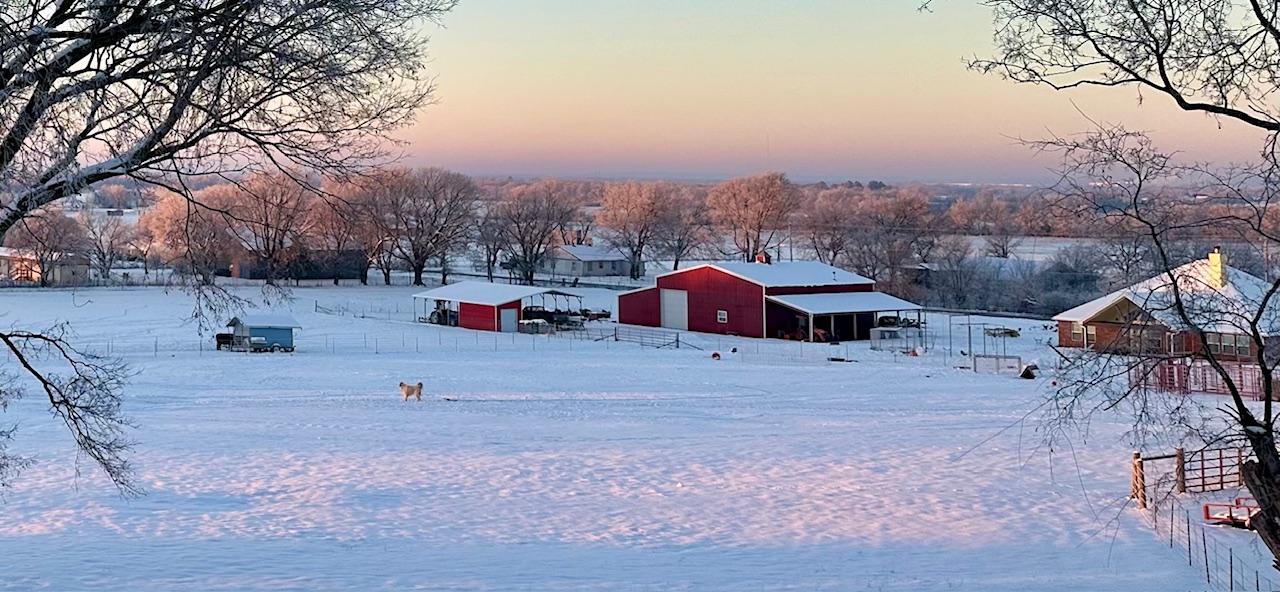
Photo by Amy Humphries on Unsplash

Enriching Others – the Best Path to Leadership Success

“You can have everything in life you want, if you will just help enough other people get what they want.” – Zig Ziglar

I remember a friend of mine who was promoted from being a very successful salesman to being the branch manager for a large insurance company.  It is amazing to think this was almost 30 years ago. 

He told me that he’d finally get to tell people what to do, and he looked forward to that.  Plus, he’d get to take long lunches and charge the lunches to his expense account. 

I knew that if that was his approach to his new manager role, he’d probably fail miserably…and quickly.  I told him as much. 

I suggested that he start by meeting with his new team members one-on-one. Just because he’d worked alongside many of them before didn’t mean he knew them well enough as their manager. I encouraged him to take the time to understand each of their roles, how they saw their future, and what they hoped to see change at the company.

I said it would help him get to know them and, even more importantly, show them he valued them and wanted them to succeed. And if he let them know that he needed their help, too, it would go a long way. This wasn’t just his chance to lead, it was a chance to connect directly with each team member.

He thought that was a waste of his time.  He had been a very successful salesman, knew how the company operated, and already knew what made the branch tick.  He told me that he knew what needed to be fixed and he’d hit the ground running to get those changes implemented. 

I saw him again about three or four months later.  When I asked him how his new job was going, he just shook his head.  “Not good.  Nobody is listening to me.  I’ve had a couple of people quit already, and I think some others are out looking for new jobs.  Our sales are way down.  My boss is asking me what I’m going to do about it.”

I didn’t say, “I told you so,” but that’s what I was thinking. A few months later, he was demoted back to sales, but at the lower pay structure in place for new hires. Not long after that, he left the company.

I’ve been blessed with multiple opportunities to take over business operations in fields where I had little or no expertise or experience.  Sometimes, from outside looking in, I had some ideas about how things should operate, but I always kept it to myself when I arrived. 

Even in situations where I thought I knew all the answers, I purposely and methodically asked as many questions as possible.  I took my own advice to meet with as many employees as possible, asking them about their job, how they do it, why they do it, where they hope to be in the future, the problems they are having, the things the company is doing wrong, the things the company is doing right.  There are no wrong answers in these types of discussions.

It is truly amazing how much a new manager can learn from the people already in place, especially if that manager genuinely wants those people to be successful.  It also helps to be extremely curious and thirsty to learn as many details about an operation as possible. 

The most successful managers I’ve known have operated this way.  They ask questions and listen carefully to the answers.  They work as hard as they can to help each of their team members get what they want (as Zig so eloquently said). 

If you’re stepping into a leadership role with the mindset of lording authority over others, expecting everyone to follow your lead just because you’re in charge, you might have short-term success, but it won’t last. Real leadership is about seeking ways to enrich others and the organization before yourself. And in doing so, you build an environment of trust where people thrive and truly enjoy their work.

Helping others succeed isn’t just a management tactic.  It’s the only way to real success.

When you lift others, you rise too.

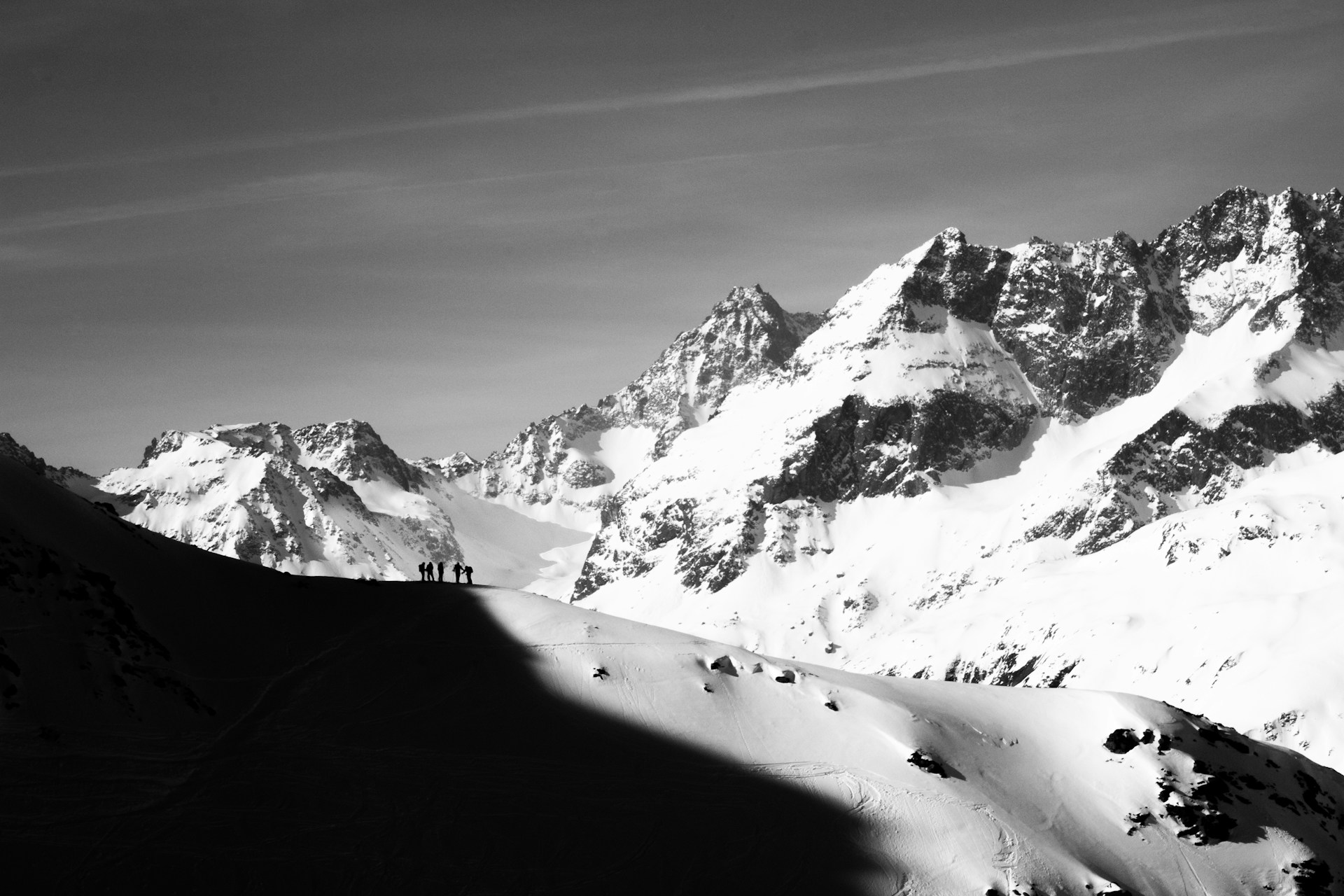
Photo by Matteo Vistocco on Unsplash

In the Steps of Trailblazers

I’ve probably hiked or biked hundreds, maybe thousands of trail miles in my life.  Most of the trails had been there for many years…even decades. 

Other than clearing some fallen branches from a trail or participating in a trail volunteer day, I never gave much thought to how the trails were built, or who originally built them.  They were always there.  It didn’t matter if the trails started out as animal paths, or were built by hand, carved through the forest.  The trails seemed to belong right where they were.  

My perspective shifted when we were fortunate enough to purchase acreage that includes a forested hillside, a mostly dry pond, rocky escarpments, and a meadow thick with trees and scrub brush. 

Where others may have seen a tangle of impenetrable forest, I could see trails winding through it, paths crisscrossing up and down the hill, around the pond, and maybe a little campsite down in the meadow under the tall trees. 

I had no idea where to start or where exactly the trails would go.  I just knew the hillside and meadow were calling for a trail system and a campsite that my family and friends could enjoy exploring for years to come.    

When we moved here, I didn’t own a chain saw, a tractor, or any of the fancy attachments that make tractors such useful (and fun) tools.  I had the standard set of homeowner hand tools from our lifetime of living in a tract home that didn’t have a yard big enough for a lawn.

The real work began when our new property was hit by a 90 mile per hour derecho that effectively found all the unhealthy trees and snapped them in half or knocked them to the ground.  As I worked my way across our property over the next six months, cutting and clearing all of the downed trees (40-50 trees in all), I got a ton of practice with my new chainsaws, my upgraded tractor (the small one we purchased initially didn’t cut it, so I did what every tractor guy worth his salt does when faced with this dilemma…I upsized), the 5-foot brush hog attachment, and the front loader grapple attachment. 

As I worked to complete the clearing process, I could see where new trails might go.  As I brush-hogged large swaths of overgrown scrub brush and brambles, new openings showed themselves.  In the areas where I cleared away the dead and fallen trees, nice new grassy areas greeted the sunlight that finally penetrated to the ground.  I could see how trimming up some of the remaining trees would improve the sight lines through the area. 

Once the land clearing process was mostly done, the real trailblazing process began. Deciding exactly where to cut the trails, which routes worked best given the lay of the land, the gradient of the hillside, natural features, and tree coverage.  Could I veer up and to the right a bit to maintain the trail flow while leaving more trees intact?  Will a hiker be able to maintain their footing if I use the existing (slightly) flatter terrain on the hillside?  Can I make this trail intersect in an interesting way with the other one that’s 200 yards away? 

So far, I’ve been talking about literal trails and the (rewarding) process of carving a trail system by hand into my property.  I’ve known my share of trailblazers in life and work, and I’ve even been one myself on occasion. It’s funny how, like the paths I was carving through the woods, new trails—whether they’re businesses, inventions, ideas, or methods—often seem inevitable after the fact.

Once they’re established, they feel as if they’ve always been there. But every one of those trails began with someone willing to face the unknown, to push forward without a clear end in sight, risking failure or embarrassment in the name of carving a new path. 

Only the people who actually built these trails know what it took to get there.  The obstacles that had to be moved, the dead ends they hit along the way, their moments of doubt. They alone understand the learning curve, the time, and the sheer energy it took to bring the trail to life. And as they move forward, bit by bit, the final route often ends up looking different from what they first imagined.

Our new trail system is amazing.  It has straight sections, switchback sections, offshoots, shortcuts, climbs, and descents.  Parts of the trail are under a tunnel-like canopy of thick forest and other areas open to the sky, providing amazing hilltop views.  Walking along the trails feels like the landscape was made for them…even though there were countless hours of planning, experimenting, cutting, clearing, and adapting along the way.     

Sometimes the trailblazer is driven by an obsessive need to see where the trail can go.  To see what lies over the next hill, or around the next bend.  Others visualize how their trail will be enjoyed for years (decades?) to come. 

While their motivations may differ, the result is often the same.  A path that seems to have always been, enjoyed by countless people who may never stop to wonder how it got there. 

For those who wonder, the trail offers something more than just a route.  It’s a reminder that someone, somewhere, once walked an untamed path and decided it was worth carving a trail for those who’d come later. 

Photo by Judy Beth Morris on Unsplash

The Ripples We Leave Behind

“No one is finally dead until the ripples they cause in the world die away, until the clock wound up winds down, until the wine she made has finished its ferment, until the crop they planted is harvested. The span of someone’s life is only the core of their actual existence.” 

Terry Pratchett, Source: Reaper Man (h/t – James Clear)

Every so often, we’re reminded of our mortality…especially as we get older and face the loss of loved ones, both young and old. 

Truly, it’s a matter of time for each of us.  Not an if, but a when. 

I appreciated seeing this quote today. 

It’s a reminder of the enduring mark we leave on others.  Far beyond the days we live, we influence the lives we touch, leaving lasting impressions.  

A tribute to those we’ve lost and how they continue to be with us.  Our memories of them, the lessons they teach us, their legacy of connections.  All of it remains and echoes in our conversations, our thoughts, our choices, and even in the way we approach the rest of our life.    

We are here only briefly, but we’re each given the opportunity to plant seeds.  Seeds that, in time, may bear fruit for others long after we’re gone.    

A gentle reminder to make sure that our legacy is a positive one, filled with love, wisdom, and warmth.

So the ripples of our lives continue to inspire and uplift those we leave behind.

Photo by zhang kaiyv on Unsplash

Leaving on Time, the Next Higher Gear, and Traction: A few lessons Uncle Denby taught me

Most of my childhood outside of school is a blur of off-road riding and racing (and lots of water skiing, but that’s another story).

We were either preparing to ride, camping in the desert to ride, racing in the desert (although I didn’t race nearly as much as everyone else), or providing pit support for others who were racing.

By the time I was about 10 years old, Uncle Denby (my dad’s younger brother) had become a serious racer in Baja.  By the time I was about to enter high school, he was racing for Team Honda in Baja.  The Hilltoppers, the motorcycle club my dad and Uncle Denby belonged to (that I’d join a little later) put on annual Grand Prix races in Rosarito Beach. 

Between the Baja racing, pre-running trips, adventure riding to Mike’s Sky Ranch and San Felipe, and numerous trips to Rosarito Beach to set up the race each year, we were in Baja a lot.  I remember watching the Dallas “who shot JR” episode on a small television in a hotel bar in Rosarito Beach.

All of this meant I got to ride with Uncle Denby regularly.  He was always ready.  His bike was perfectly tuned.  His gear was impeccably organized.  He was dialed in.  He expected everyone around him to be as dialed in as he was. 

For most Baja rides, we had a scheduled time for departure.  Maybe at first light, or 7:30am.  To Uncle Denby, this meant we’d be putting our bikes in gear and leaving at the scheduled departure time.  Not putting gas in our bikes, trying to find our goggles, or figuring out why our backpack wouldn’t fit right.  He’d say, “Do all of that on your own time.  If you need an hour to get ready, wake up early and get it done.” 

Since I rarely knew where we were going, and Uncle Denby was usually leading the way, I quickly learned to be fully ready with my bike idling at departure time.  I operate this way today, even though I haven’t ridden a motorcycle in decades. 

Whoops are a fact of life in off-road riding.  These are undulations in the trail caused by countless vehicles digging a little bit of dirt and relocating it to the top of the whoop behind it as they race by.  Certain sections of the California desert where we used to ride are notorious for miles of 2-3 foot (or larger) whoops.  Sections of Baja are similarly whooped-out. 

I struggled with whoops.  I don’t know anyone who likes riding whoops, but some people can fly through them.  That wasn’t me.  Lucky for me, Uncle Denby happened to come up behind me in a whoop section.  He had stopped to help someone else, so I and many others in our group got ahead of him on the trail.  Once he was back on his bike, it didn’t take him long to catch me.    

This time, he didn’t pass.  He stayed behind me for a couple of miles.  Then he rolled on the throttle and went right by me, smooth as ever.  When we regrouped for gas a while later, he came over and asked me what gear I was in when he came past.  I was in third gear, maybe three-quarter throttle. 

He said I was riding in too low of a gear.  I needed to work on riding the next higher gear if I wanted to find a smooth way through the whoops.  He told me he was watching me ride and getting exhausted for me.  He could tell that I was working way too hard.  Moving to the next higher gear at half-throttle would get me on top of the whoops with more speed and reduce my workload on the bike. 

None of this was obvious to me, but second nature to Uncle Denby.  Later that day, we came up to another (shorter) section of whoops.  I eased into fourth gear and carried a lot more smoothness into the section.  The whoops were still challenging, but not nearly as hard as before…and I was moving at a much higher pace.  I was conserving energy and riding faster (and safer) by clicking up one gear.

Something else about that next higher gear…traction.  Ride in too low of a gear, especially on a two-stroke, and your back tire has a tough time staying stuck to the ground.  Forward motion is all about smooth and consistent traction.  If your power isn’t making it to the ground, you’re not moving.  A spinning rear tire isn’t taking you anywhere.  Everything is working hard, but nothing is happening. 

We had another riding day, this time out on the Rosarito Beach Grand Prix course.  We rode most of the loop together.  The course had lots of high-speed sections and fast turns.  We were having a great time, riding wheel-to-wheel.  Obviously, he could have left me in the dust, but he pushed me at my pace and showed me how to brake before the turns, and then accelerate out to maintain the most speed and control. 

Yet another aspect of traction.  No traction, no turning.  If you’re on the brakes in the turn, you don’t have the same traction and control as you do if you’re accelerating out of the top of the turn.  Timing when to get off the gas, when to brake, and when to accelerate made all the difference in the world. 

Something else Uncle Denby taught me that day.

I was sad to hear that Uncle Denby passed away last night.  He battled a tough disease for quite some time.

I will always treasure the lessons he taught me.  He probably thought he was teaching his nephew how to ride a motorcycle faster and smoother. 

But he was really teaching me how to dial myself in, how to find the next gear, and how to maintain proper traction in all situations.

Godspeed, Uncle Denby, and thank you for riding with me.

It’s Up to You

Consider all the things that are up to you:

  • Your mood when you wake up.  Waking up on the wrong side of the bed is your choice.  You alone decide how you’ll approach each new day.
  • Your morning routine.  What’s included or excluded?  How much time are you providing for yourself in the morning?  Are you rushing, or welcoming the day at the pace of your choosing?    
  • The tone of interactions you have with others.  Are you smiling when you’re talking (whether in person or by phone)?  Are you looking for faults in others, or the good in others?  The energy you bring is your choice.
  • Your career choice.  Unhappy at work?  What are you doing to change it?  Are you changing your situation, or just complaining.  Not sure if you should work in your chosen profession?  What are you doing to figure it out?  If this profession isn’t for you, what concrete steps are you taking to prepare to work in another profession?  You decide all of it.
  • Whether you choose to manage your day, or let it manage you.
  • The places you visit and frequent.
  • Your hobbies.  Do you even have a hobby, or are you too “busy” for anything that brings you joy or peace outside of work? 
  • Your friends.  Are they lifting you up or bringing you down?  Jim Rohn said, “You are the average of the five people you spend the most time with.”  Choose wisely.
  • The organizations you choose to join or support.

This list only scratches the surface. 

It’s easiest to let someone, or something, else make the decisions for you.  But remember—choosing not to decide is a decision, and you own it.    

So, what kind of day will you have?  What kind of life will you live? 

It’s up to you.   

Photo by Eric Prouzet on Unsplash

Commitment Leads to Fulfillment

Zig Ziglar once said, “It was character that got us out of bed, commitment that moved us into action, and discipline that enabled us to follow through.”

This perfectly describes the driver of true achievement. It’s not just the initial desire or excitement that propel us, but the dedication to stick with something until the end.

I accidentally saw this idea come to life during a recent road trip.  I stopped by a taco shop.  It happened to be near a beach and was clearly a popular local destination.  The tacos were excellent, but that’s not the point of this story.

As I sat on the patio eating my carnitas tacos and enjoying the view, I couldn’t help overhearing a conversation at the table that less than two feet away.  Two early-twenties (by my estimation) men were talking about how amazing the surfing had been earlier that morning. 

I got from the conversation that they had been surfing together since they were teenagers and this morning’s session was a long-overdue reunion of sorts since they hadn’t surfed together in quite some time. 

One of them made a comment that stuck with me: “Surfing is the only time I’m really alive. I know what I’m doing and can feel the water telling me what to do. I wish I could get that kind of fulfillment out of the rest of my life. I feel like I’m just wandering around, waiting until I can surf again.”

It wasn’t long before his friend responded, “I know what you mean. I’ve had to settle down these past couple of years. I got a dog, and it’s been a lot of responsibility, but he’s amazing. He loves the beach, so I take him there as often as I can.”

Then came the real kicker. The first guy, the “wandering” one, responded, “Maybe that’s something I should do. I can’t get motivated at work and just want to quit. Maybe getting a dog would help me commit to the work.”

He used an extremely important word—commit. It was evident these two men are deeply committed to surfing. It’s their passion, and it gives them a sense of fulfillment that’s absent in other areas of their lives. Surfing isn’t something they merely do—it is something they live for. But beyond surfing, they lack the same kind of dedication. Their passion for the sport brings them joy because they are fully invested in it, heart and soul.

The wandering friend’s dilemma isn’t uncommon. Many people struggle with finding motivation in their daily lives.  They haven’t truly committed to something that extends beyond their comfort zone or personal hobbies. They desire fulfillment without realizing that commitment is often their missing link.

It was as though this young man had stumbled upon the key to unlocking motivation and purpose: he needed to commit. Whether it is work, relationships, or another area of his life, the power to find meaning and fulfillment can only come from his willingness to fully invest in something.

Goethe once said, “At the moment of commitment, the entire universe conspires to assist you.” This idea aligns with the realization that real fulfillment only comes from investing fully in what we do. When we are all in, we aren’t just going through the motions—we are owning the process, taking charge of the outcome, and continually working toward our goals.

The wandering surfer may never have thought about his job as something worth committing to. To him, it was just a means to an end, something he had to do so he could afford to spend time doing what he really wanted—to surf. But if he can shift his mindset and fully invest in his work with the same passion and dedication he gives to surfing, the fulfillment he seeks might not seem so elusive.

Fulfillment doesn’t come from merely reaching a goal or winning a trophy. As Cardinal Pell put it, “Commitment to a worthwhile goal brings fulfillment and meaning, even if the path is difficult.” The true joy and deep sense of satisfaction come from the commitment itself—the effort, discipline, and perseverance that drive us toward our goal.

If you’re handed a trophy without having worked for it, it’s meaningless. You know deep down that you didn’t earn it, didn’t push through the challenges, didn’t grow in the process. But if you earn that trophy through your own hard work and dedication, it’s a symbol of something far greater than the achievement—it’s proof of your commitment.

In the end, what we commit to is what brings meaning to our lives. Whether it’s our relationships, our careers, or even something as personal as surfing, the act of giving our all, of pushing through the hard times, is what fills us with a sense of purpose.

The wandering surfer wasn’t lost because he lacked passion; he was lost because he hadn’t fully committed to anything beyond the waves.

To truly live a fulfilling life, we must commit wholeheartedly. When we do, we’ll find that the truest sense of fulfillment comes from the dedication and growth that only commitment can bring.

Photo by Blake Hunter on Unsplash