Now and Then

The days feel long, but our years disappear. I’ve been thinking about how easily “someday” turns into “back then.” We spend so much of life working toward what’s next that we sometimes forget we’re already living the moments we’ll one day remember with gratitude.

This truth reaches us at every age. Whether we shape our future with intention or let it unfold on its own, it arrives and quietly invites us to participate. This reflection is about the sweetness of now and noticing that these moments become the story we’re creating together.

Each day arrives on its own, small and full of potential. It doesn’t ask for much. Only our attention, our care, and our willingness to be here. The hours move like honey, slow and golden, rich with sweetness if we take time to notice. Yet the years rush by quietly. One morning we look up and realize the future we worked toward has become the past we cherish.

What we dreamed about for so long is happening now. This day, with its imperfections, interruptions, and small joys, is the life we once hoped to reach. It’s the tomorrow we imagined, already unfolding beneath our feet.

Time helps us see backward with gratitude and forward with wonder. We remember the faces and laughter that have softened into memory. We hold them gently, realizing how meaning hides in ordinary moments.

Each day is a life of its own. Complete, sacred, and fleeting. When we let its minutes open slowly, like sunlight through leaves, we find gratitude sweetening everything it touches. Our wonder grows in quiet places.

“Then” is always born of “now.” When we live this moment with attention, kindness, and a sense of awe, it never really fades. It simply changes shape, becoming the stories we tell, the lessons we pass along, and the love that lingers long after the moment has gone.

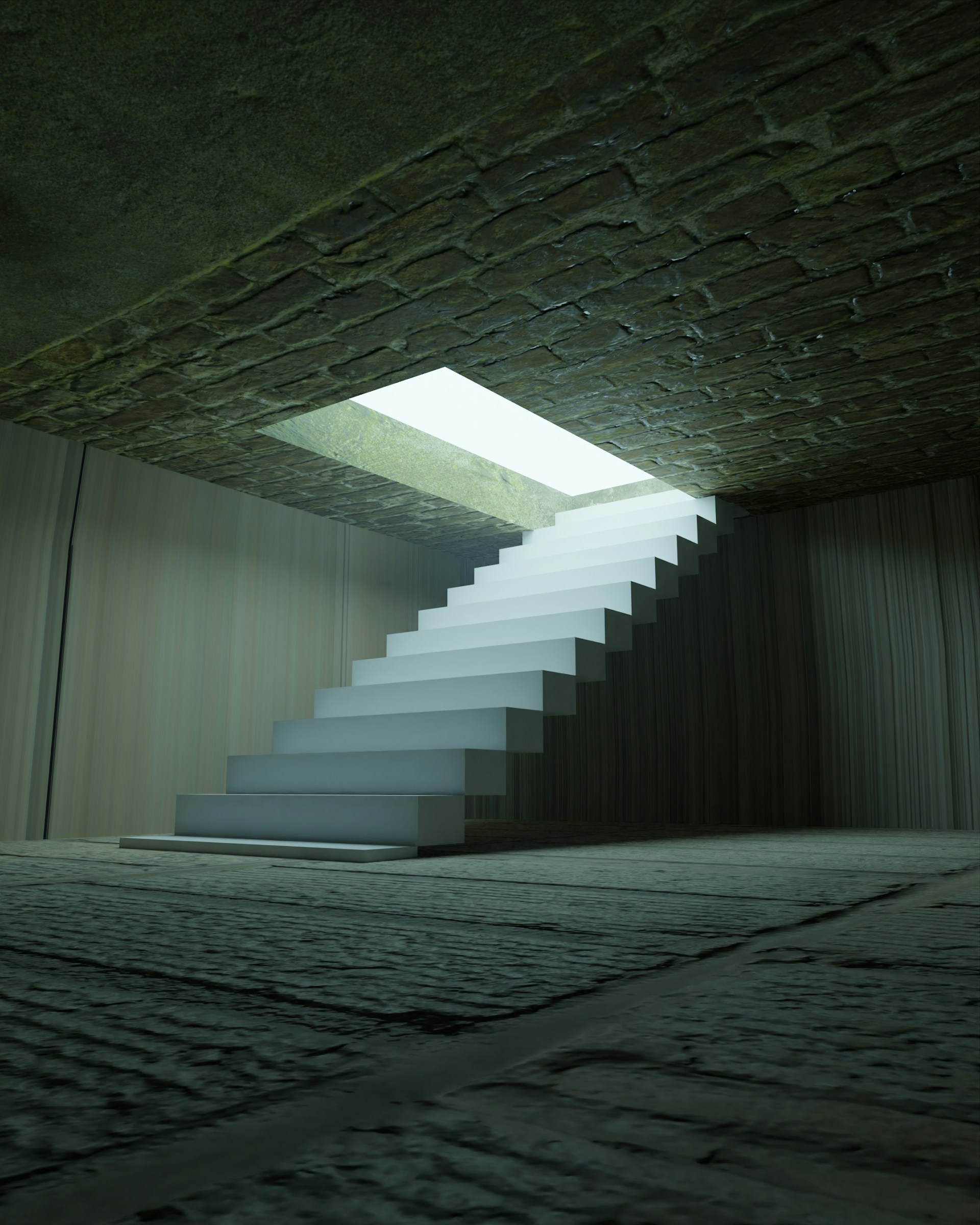
Photo by Stephen Crane on Unsplash

Who Will Hold the Boulder? (a short parable)

There once was a village named Smithville, tucked neatly beneath a mountain. Life was simple until the mayor spotted a massive boulder teetering on the slope. Experts confirmed the obvious. The massive boulder might fall and crush the town.

In a flash of civic urgency, the mayor declared: “We must secure the boulder!” And so they did. With ropes, pulleys, and sheer determination, ten villagers at a time held the lines to keep the boulder in place. They rotated shifts around the clock. It became routine, then tradition, then law.

Children sang, “Hold the boulder, hold the boulder, we must resolve to hold that boulder!” before school each morning. A cabin was built for the rope holders. A trail crew was hired to keep the path safe for the endless march of workers. Rope suppliers prospered since the intricate rope system required constant maintenance. Soon, nearly half the town’s budget went to “boulder security.”

Still, the village flourished. Visitors came to marvel at the rope-wrapped rock. “Come see our mighty gravity defying boulder!” proclaimed their glossy posters. A bond was passed to fund a visitor center and tour buses. Hotels filled. Restaurants boomed. Property values soared near “Boulder View Estates.”

One day, a newcomer named Brunswick questioned the logic of leaving the boulder where it was. “Why not break the boulder into smaller, harmless pieces?” The council laughed at his question.

The mayor beamed with pride, “Our boulder isn’t a threat. It’s our livelihood! Besides, we have a rope system to protect us.”

The townspeople nodded, waving their SAVE OUR BOULDER signs in support.

Who could argue with prosperity?

Brunswick left shaking his head.

Years later, despite the ropes, despite the cables, despite the slogans, the inevitable happened. That winter, the boulder grew heavier than ever with snow and ice. Villagers had trouble reaching the ropes, as storms blocked the trail. Shifts went unfilled. Fewer villagers meant fewer ropes to hold the boulder.

“The forecasters said it wouldn’t be this bad,” the mayor reassured them, as though the weather itself had broken its promise.

Workers tugged and shouted, trying to keep their grip. Fingers numbed, feet slipped, and a few gave up entirely.  The remaining ropes snapped one by one. The sound echoed through the valley like rifle shots. The mountain itself seemed to groan.

Then came the moment. The final rope gave way with a thunderous crack. The boulder lurched forward, dragging what remained of the cable nets with it.

As it tumbled down the mountain, the ground shook violently. Houses rattled, dishes shattered, and children screamed.

The mighty rock careened toward the valley, smashing trees like twigs and carving deep scars into the earth. Clouds of dust rose as if the mountain were on fire. Each bounce sent shockwaves through Smithville, knocking people off their feet. The villagers ran in terror, listening to the deafening roar as the great stone rolled ever closer.

When it finally came to rest, the devastation was complete. The visitor center lay in ruins. Boulder View Estates was flattened into rubble. Streets were cracked, and smoke rose from shattered chimneys.

Yet by some miracle, no one was hurt. The thunder of the falling boulder gave everyone time to flee. Amid the destruction, whispers of a miracle could be heard all over the battered town. 

As the dust cleared, townsfolk began to consider their plans for rebuilding. Some sketched designs for a grand new visitor center. This one would tell the story of The Great Fall.

A five-year plan was drafted to study rope alternatives, complete with a Rope Oversight Committee and quarterly progress reports.

Bureaucracy bloomed again, strong as ever.

Though no one mentioned the missing boulder.

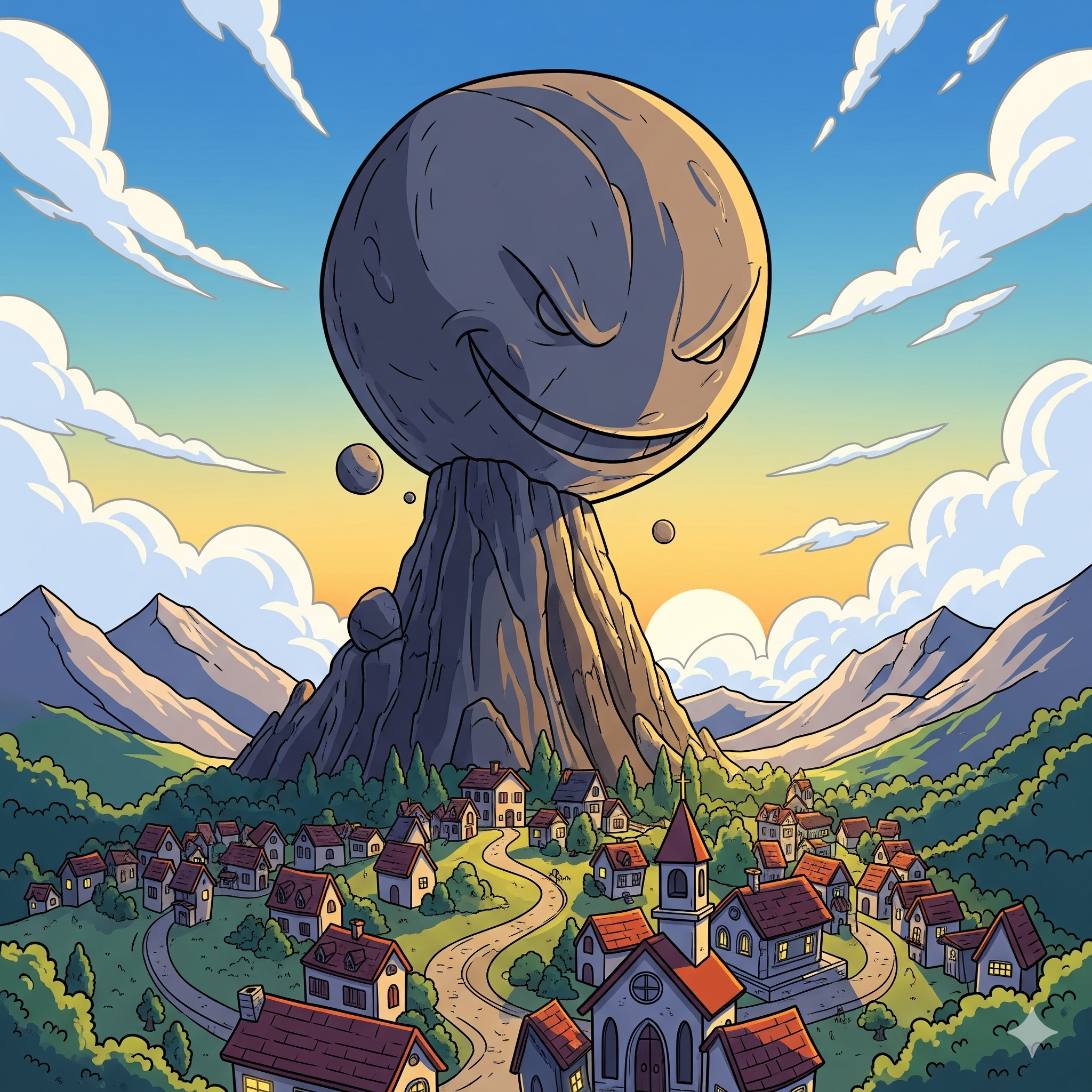
Story behind the image – I used Google’s new Nano Banana image generator for this image. I asked it to produce a large and evil boulder sitting on top of a mountain, held by ropes, overlooking a nice town that it’s threatening…in a cartoonish style. This is the first image it produced. It missed the part about the ropes, but I like the over-the-top (see what I did there?) theme of this rendering. And that boulder may appear in a few more stories in the future.

© 2025 Bob Dailey. Licensed under Creative Commons BY-NC-ND 4.0.

The Opportunity to Level Up

Ego may be our biggest barrier to learning.

It’s like having a guy working the door at a nightclub, deciding who or what gets in.

We assume we already know everything, so we stop listening. We nod politely. But inwardly we’ve already dismissed the person speaking. Or the article. Or the correction.

There’s often good reason for our defensiveness. Being wrong about something important can have real consequences. Our ego is trying to protect us from the genuine discomfort and potential costs of being mistaken.

The paradox is that the very thing protecting us from being wrong in the moment often prevents us from being more right in the future.

What if instead of having a bouncer who turns everyone away, we hired a smarter gatekeeper? One who doesn’t just protect us from being wrong, but actually helps us get better at being right?

What if we treat new information, even the stuff that contradicts what we think we know, as an invitation?

An opportunity to level up. To upgrade our understanding. To sharpen our thinking.

What happens when we level up? Our predictions start getting more accurate. Our explanations become clearer and more useful to others. We catch our own mistakes faster…sometimes before they even leave our mouth. We become more curious about the very areas we feel most certain.

The next time someone disagrees with you or presents information that challenges what you believe, pause before your ego’s bouncer slams the door.

Ask yourself, “What if they’re right? Can I learn something new?”

This doesn’t mean accepting everything that comes your way. But you can listen. Examine the ideas. Question them. Test them against what you know.

That’s true intellectual courage.

And it’s the only way to keep growing in a world that never stops changing.

“It is impossible for a man to learn what he thinks he already knows.” – Epictetus

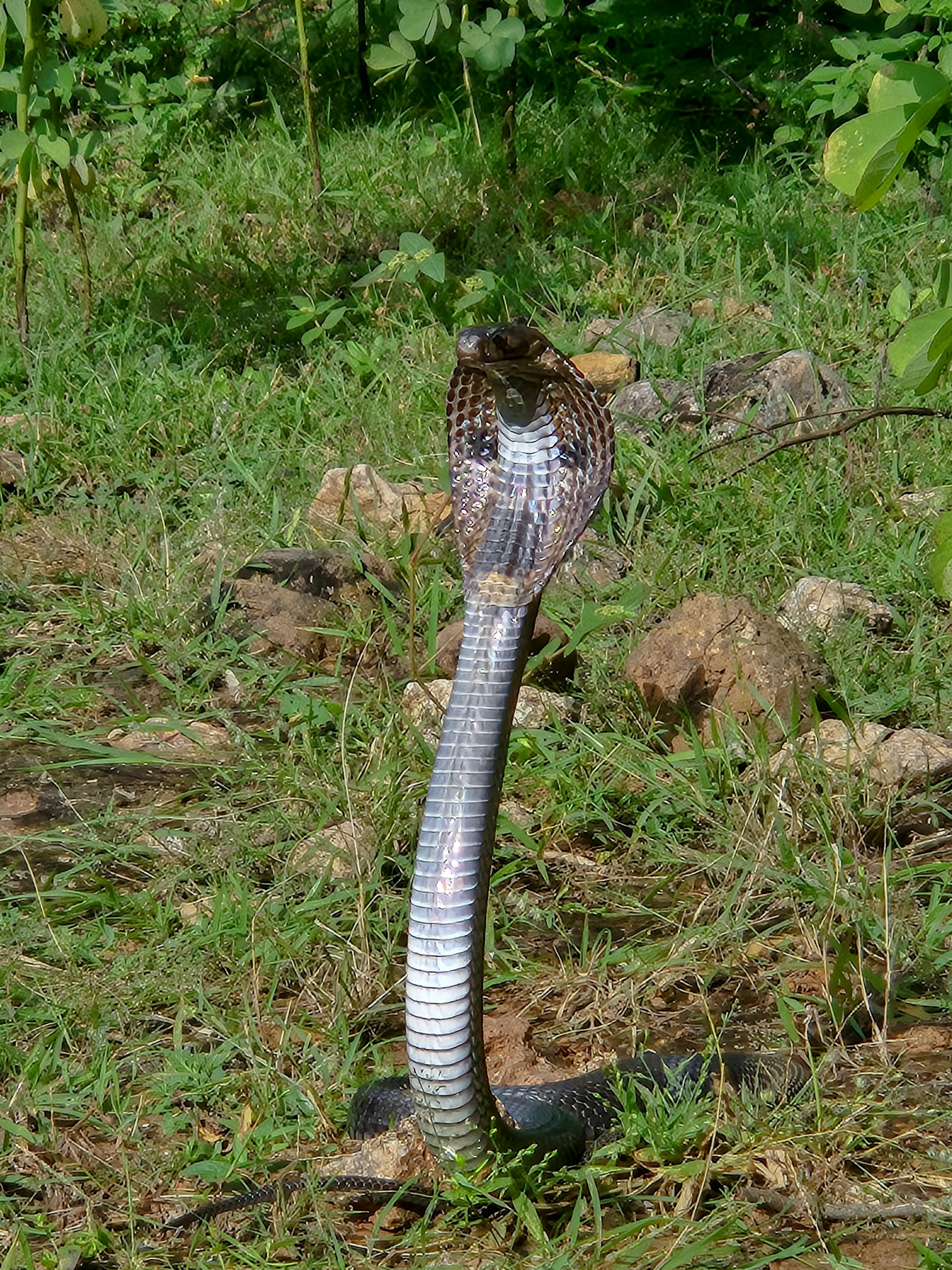
Photo by Vinay Tryambake on Unsplash

What Your 70-Year-Old Self Knows That You Don’t

We know about Maslow’s Hierarchy of Needs and how our wants and desires are like a pyramid that goes from our basic needs up to our desire for self-actualization. The Pareto Principle reminds us that 80% of our results come from 20% of our efforts, helping us focus on what truly moves the needle. Saint Ignatius’s Spiritual Exercises guide us through discernment, teaching us to distinguish between what brings life and what drains it.

But there’s another framework worth considering: the evolution of what we consider important throughout our lives.

As kids, we know what’s most important. It usually revolves around attention, followed by winning at whatever we are doing, which we think will get us more of that attention we crave. Everything feels urgent. Every disappointment feels permanent. The world revolves around us, and that’s exactly as it should be for a child learning to navigate life.

Teenagers start to focus on freedom, independence, and figuring out what they’re going to do when they grow up (whatever that means). They often reject what their parents value. Sometimes for good reasons, sometimes solely because rebellion feels necessary for finding their own path. What matters most is breaking free from the constraints that feel suffocating, even when those constraints were designed to protect them.

As young adults, we’re getting started, establishing our independent life, our financial foundations, our career foundations…at least we’re trying to get these things established. We’re in acquisition mode: getting the job, the apartment (maybe a house), the relationship, the respect (something we crave more than attention at this stage). We often dismiss advice from older generations, convinced they don’t understand how different the world is now.

Then something interesting happens.

As the decades flow by, what was important a few years ago, isn’t. We start to think about how to serve others, help our kids flourish, help their kids flourish. The shift is gradual but profound. From getting to giving, from proving ourselves to improving the lives of others.

Major life events accelerate this evolution. A health scare makes us realize that all the success in the world doesn’t matter if we’re not here to enjoy the fruits of our labor. The birth of a child or grandchild suddenly makes legacy more important than achievement. The loss of a parent reminds us that time is finite, and relationships are irreplaceable.

Sometimes the shift happens more quietly. Earlier this week, two co-workers were discussing the NBA finals and asked me what I thought of Game 2.  I had to admit that I haven’t followed basketball since the Magic Johnson era of the Lakers. As we talked, it became clear to me that I haven’t followed any sports—except for the Savannah Bananas baseball team’s shenanigans—in many years.

What captures my attention now? I’m drawn to watching people live their best lives in rural settings, building homesteads for themselves and their families. I find myself rooting for others to succeed in their chosen vocations, nothing more, nothing less. It’s not that sports became unimportant because they were bad. They just became less important than something else that feeds my soul more deeply.

As we get older, preserving our health, and the freedom that comes with it, moves toward the top of our priority list. Interesting how the freedom we sought as teenagers is still important to us in our senior years, but for different reasons. Then, we wanted freedom and thought we were ready for responsibility.

Now, we want freedom to focus on what truly matters. Freedom to be present for the people we love, freedom to contribute in meaningful ways, freedom from the noise that once seemed so important.

There’s a beautiful irony in how we often spend the first half of our lives accumulating things, achievements, and accolades, only to spend the second half learning to let go of what doesn’t serve us. We chase complexity when we’re young and value simplicity as we mature.

Questions worth considering:

– What would happen if we could skip ahead and see what our 70-year-old self considers important? What about our 80-year-old self? Would we make different choices today knowing what they know?

– Why do we have to learn the hard way that some of the things we chase don’t matter? Is there wisdom in the struggle, or are we just stubborn?

– How can we be more intentional about evolving our priorities on our terms instead of waiting for time to do it?

– What if we could honor the lessons each life stage provides without completely losing face and dismissing what came before?

The evolution of importance isn’t about getting it right or wrong at any particular stage. It’s recognizing that growth means what we value will shift.

That’s not a bug in the system. It’s a feature. The teenager’s desire for freedom isn’t foolish. It’s necessary for their development. The young adult’s focus on building a foundation isn’t shallow. It’s essential for future stability.

Perhaps the real wisdom comes in staying curious about what matters most. Knowing that the answer will keep evolving. And maybe, just maybe, we can learn to trust that each stage of life has something valuable to teach us about what’s truly important.

The key is staying awake to the lessons, even when they challenge what we thought we knew for certain.

Photo by Filip Kominik on Unsplash

Tacos and Time Travelers…a Dinner Conversation About the Future (and Everything That Matters)

The other night, over a casual taco dinner, one of my grandkids hit me with a question I wasn’t expecting.

“Grandpa, how old will you be in the year 2100?”

Without missing a beat, I shot back, “Nearly 140. Way too old to still be around!”

I may have been off by a few years, but we all agreed: the odds are stacked against me making it to 2100.

Then we started doing the math together, and that’s where things got interesting. They’ll be in their 90s by then. Their children and grandchildren—my great-grandchildren and great-great-grandchildren—will be alive and thriving in that future world. A reminder that we’re part of something much bigger. Connected to the past, but carried forward by those who will come long after we’ve gone.

“Okay, but how old will you be in 2050?”

That one felt closer, more real. “Well,” I said, “not quite 90, but almost. And you’ll be under 50.”

“What will we be doing in 2050, Grandpa?”

That’s a question only they can answer. I won’t pretend to know. I hope I’m there for at least part of it. I hope I get to laugh with them, to listen, to remind them where they came from, and to cheer them on wherever they’re headed.

Our conversation turned into something more than tacos and timelines. We started talking about how every generation builds on what came before. We carry what we’ve learned from our parents and grandparents, along with our own experiences, and hand all of that to our children and grandchildren. And they, in turn, will do the same.

Their children, my great-grandchildren, aren’t here yet, but I already have high hopes for them. I look forward to holding them, hearing their stories, and watching them discover the world just as their parents are starting to do today.

I hope they’ll learn the big things:

-How a starry sky can quiet our soul.

-How to throw and catch with confidence (it’s baseball season, so this one is top of mind right now).

-How warm and magical a campfire can be…and that S’mores taste better when your hands are sticky.

-How good it feels to help without being asked.

-How to sit quietly with someone we love and say nothing at all.

-How to cheer for someone else, even when the spotlight isn’t ours.

-The peace that comes from a walk in the woods or along a sandy shore.

But I also know they’ll learn things I’ll never understand. Things I can’t even imagine. And that’s exactly as it should be.

My deepest hope is that they’ll carry forward the timeless lessons. That love matters more than being right. That kindness isn’t weakness. That telling the truth is not only brave, but also the only way.

And that family stories are worth retelling…especially the funny ones.

So, here’s to future taco dinners, to great-grandkids I haven’t met, and to the storytellers of tomorrow.

May they keep the best of us within them always.

A Poem for My Grandkids

We sat with tacos, our chips in hand,
When you asked a question I hadn’t planned.
“Grandpa, will you still be here in 2100?”
“Not likely,” I laughed, “I’d be too old by then.”

And then we wondered who’ll be around,
Your kids and theirs, with dreams unbound.
Building a world we won’t see,
Carrying forward the best from you and from me.

We talked of shooting stars and catching balls,
Of S’mores by the fire and the night’s gentle call.
Of helping for nothing, of walking alone,
And learning to love with a heart fully grown.

You’ll learn things I’ll never know,
With gadgets and wonders I can’t imagine.
Even so, I hope what we’ve lived still finds its place,
In stories you tell with a smile on your face.

Here’s to the moments that grow into more,
To questions and memories, and tales we explore.
May love be your guide in all that you do,
And may our stories stay with you, and echo on through time.

p/c – That’s Charlie (in the cowboy hat) and Marcus from a few years ago, perfecting their marshmallow roasting techniques. 

Mesmerism and the Rhythm of Showing Up

“When I’m in writing mode for a novel, I get up at four a.m. and work for five to six hours. In the afternoon, I run for ten kilometers or swim for fifteen hundred meters (or do both), then I read a bit and listen to some music. I go to bed at nine p.m. I keep to this routine every day without variation. The repetition itself becomes the important thing; it’s a form of mesmerism. I mesmerize myself to reach a deeper state of mind.” — Haruki Murakami

Haruki Murakami has written some of the most widely read novels and screenplays — Norwegian Wood, Kafka on the Shore, 1Q84, and others. His stories are wide and varied. But his process? Based on this quote, it’s as simple as it gets (on first glance).

He wakes early. He works. He exercises. He reads. He rests. Then he does it all again. Every day. Without variation.

What makes that interesting isn’t just the discipline. It’s what that discipline creates. He calls it mesmerism.

He’s not trying to force creativity. He’s building a space, mentally and physically, where creativity knows it’s welcome. And he shows up to that space every day, without fail.

This kind of repetition, over time, can shift your state of mind. It can take you to a quieter, more focused place. It can help you bypass distraction and access something deeper.

He doesn’t wait for inspiration to strike. He prepares for it. He builds a rhythm and shows up to it daily. Over time, his mind knows—it’s time to create. And that, he says, is when the real writing happens.

It’s easy to think of habits as something utilitarian. A way to squeeze productivity out of our day. But what if repetition isn’t just a tool for efficiency? What if it’s a path into something more meaningful?

What if the act of doing the same thing, at the same time, in the same way, becomes a form of permission to go deeper?

Murakami’s routine isn’t about optimization. It’s about entry. It’s a way of reaching the part of himself that doesn’t respond well to noise, pressure, or force. And the only way in is repetition.

This idea of mesmerism applies to more than writing novels or screenplays.

Maybe your “deep work” is building a business, raising a family, managing a new venture, or simply trying to stay anchored when life is anything but steady.

The specific rhythm doesn’t matter. What matters is that it’s yours. That it becomes familiar enough, trusted enough, to lower your resistance and invite your mind to settle.

A short walk each morning before the day begins.

A time and place for reading, thinking, or praying without interruption.

A quiet moment after dinner, before sleep.

These aren’t productivity hacks. They’re entry points. Invitations to go below the surface of reaction and noise.  To meet yourself in a more focused, honest way.

Reflecting on this quote, I see it as less about writing and more about living on purpose.

There’s no perfect rhythm. No universal method. But there is something powerful in choosing to show up each day, in the same way, with the same posture of readiness…even if it feels small.

Because over time, that rhythm changes us. It makes us less reliant on inspiration and more connected to our purpose.

Less reactive, more rooted. Less scattered, steadier.

Show up.
Repeat.
Let the repetition carry you deeper.

That’s where the real work—and the real exploration—can begin.

h/t – once again, Tim Ferris’s 5 Bullet Friday newsletter.  He recently highlighted this Murakami quote.  When I first read it, it didn’t make much of an impression.  Who uses mesmerism in a sentence?  Then I decided to re-read it, even though it’s a long one.   

On my second reading, the quote sunk in and got me thinking about how his process of mesmerizing through repetition can be applied to anything we’re trying to accomplish (it even showed me how to use the word mesmerizing in a sentence). It takes us past brute discipline and into a rhythm-based approach that prepares our mind to do the work we want it to do; in the space that repetition provides.   

Photo by Jack Sharp on Unsplash

Permission to Conclude – and Get Started

A friend called recently. He’s been running his own business successfully for over a decade. Things are going well, really well.  That’s why he reached out.

He wanted to talk through some ideas. Usually when I get these calls, it’s because a business owner is thinking about making a major change.  Maybe selling, maybe acquiring another business, maybe just trying to get unstuck from a rut. But this wasn’t that kind of conversation.

He explained that his team is doing great work. His own role had evolved into mostly business development and handling occasional fire drills. Lately, there haven’t been many fires. The business is running so smoothly that, for the first time in years, he has time on his hands. Unexpected free time.

That’s usually a good thing, right?

He thought so too at first. He ramped up his business development efforts (always wise to add growth fuel to a business), and then he did something else.  He stepped back and watched. Observed. Assessed.

For the first time in a while, he was able to look at the processes and tools his company uses with a fresh set of eyes. The eyes of an outsider.

That’s when he saw the gaps.

Not because things were falling apart. But because, with a little perspective, he realized how much better things could be. He saw inefficiencies, opportunities for automation, outdated systems, and new tools that could transform how they operate.

His brain lit up. Ideas started flowing. He made lists. And more lists. He started thinking through what needed to change, planning what to build, what to retire, and how to bring the team into the improvement process.

That’s when he called me.  Not for help solving the problems, but because he suddenly had too many ideas and plans.

He’d become overwhelmed by the possibilities.

So, I asked him: What would it take to give yourself permission to conclude the brainstorming, the planning…and begin?

He paused.

As the boss, no one else was going to tell him to stop generating ideas and to start work on executing them. There’s no urgent deadline forcing a decision. No one asking for a status update. The machine is humming along, profitably. But he can see how much more potential is just sitting there waiting to be tapped.

We didn’t talk about his ideas or operations at all. We talked about how to decide. How to identify the vital few initiatives that would make the biggest difference. How to involve his team. How to get moving.

We talked about starting, and how starting builds momentum.

Our brains love ideation. There are no limits, no constraints. It’s energizing to imagine improvements, design new systems, and sketch out possibilities. We feel smart. We feel alive.

But our minds? They get restless. We lie awake at night, spinning. We second-guess ourselves. We get caught in the loop of “what if” and “maybe later.”

That’s where permission to conclude enters the picture.

It’s the quiet decision that says: “I’ve thought enough. I’ve explored enough. I may not have a perfect plan, but I have enough to begin.”

It’s the green light we must give ourselves.  To start, to build, to test, to course-correct.

It’s a commitment. Not to perfection, but to movement.

To gain clarity through execution. To action that reveals what thinking alone cannot.

If you find yourself spinning with ideas, take a deep breath.

Give yourself permission to conclude.

And start.

Photo by Isaac Mugwe on Unsplash – the rider has no idea what lies ahead…only guesses, maybe some visualization of what could be lurking around that dark corner. The only way to find out is to start and figure it out along the way.

h/t – I learned about the concept of the “vital few” over 20 years ago from MAP Consulting. A simple yet powerful realization that we can only work on a few things at any one time. Choose the vital few, work on them, then move to the next set of vital few items after that.

When Fires Become the Work

Ask someone how their day went, and odds are, they’ll say, “Busy.”

Dig a little deeper, and you’ll hear about the fires they had to put out, the urgent requests from their boss, or the upset customers they had to talk in off the ledge. Everyone’s racing from task to task, reacting to whatever pops up next.

What you don’t hear—at least not often—is someone saying, “Today I worked on our 30-day goals,” or, “I spent the afternoon exploring how AI might streamline our operations,” or, “I studied what our competitors are doing better than we are.”

Most people are caught in an infinite response loop. The big questions get pushed to tomorrow, especially if the boss isn’t asking about them anyway. And often, he’s just as busy reacting to his own list of urgent problems.

Response mode is easy. You don’t have to choose what matters most. Just deal with what’s in front of you. There’s no time for stepping back, rethinking the process, or preventing tomorrow’s fires today. You stay busy. That way, you can tell yourself you’re still needed.

And when the day ends, you can point to everything you handled and feel like you earned your paycheck.

But the real questions are:
Did you move any of your monthly, quarterly, or annual goals forward?
Do you even know what they are?

For many, the answers are no and definitely no.

Working in the business is the default. It’s safe and familiar. It keeps your hands full.

Working on the business is different. It takes time, thought, and courage. It means facing questions without clear answers. It means exploring new tools, unlearning old habits, and imagining better ways to serve your customers.

No fires today? Is your boss on vacation? Sounds like an easy day.

But if no one thinks about what’s next, if no one is asking what should change or improve, and if no one is steering the ship, that ship will eventually drift. Maybe into a storm. Maybe into the rocks.

And no one will notice until it’s too late.

So, ask yourself:
Are you steering, or just responding?

Side note: These questions apply outside of work. If we’re not actively steering in our personal lives, we can just as easily find ourselves in a storm we could have avoided, running aground on some rocks, or drifting aimlessly out to sea.

Photo by Amir Saeid Dehghan Tarzejani on Unsplash

Let the Ponies Run

Imagine owning a well-trained thoroughbred racehorse. Born and bred for speed, this horse thrives on competition and lives to run fast.

Every day, six days a week, this horse trains relentlessly. It has one purpose and one passion: running and winning races. Nothing else matters.

But on race day, you grow cautious. You worry, despite all the training, despite the horse’s proven skill, that it might not pace itself properly. So, you ask the jockey to override its instinct to run fast. You instruct the jockey to hold back the reins from the start.

As the race unfolds, your horse struggles against this restraint. Instead of feeling exhilarated, it grows frustrated. Its natural drive diminishes with each stride as the jockey pulls back, second-guessing the horse’s desire to run.

Finally, as the last turn approaches, the jockey releases the reins and shouts encouragement. It’s time to unleash all that pent-up speed.

But the horse no longer cares. He’s not even paying attention. He lost his competitive edge about a half mile ago as the jockey kept holding him back. Sure, the horse goes through the motions, picking up just enough speed to appear engaged, to show respect for the jockey’s urging. But the spark is gone.

This is a very fast horse, so even his partial effort makes for a close finish. But unfortunately, the horse doesn’t win the race. One he could have easily won if he hadn’t been held back from the start.

If you’re a manager, how often do you treat your employees like this horse? How often do you hold them back from doing the very thing you hired them to do? Do you second-guess their instincts, micromanage their decisions, and restrain their natural abilities out of fear, caution, or to protect your ego?

Consider how demoralizing it is for your team when you take away their autonomy. The freedom to run their own race. When employees lose the ability to make meaningful decisions, their enthusiasm, creativity, and ownership suffer. These are the very qualities that fuel success, and when suppressed, diminish the team’s potential and their performance.

Take a look around your organization. Are your people fully engaged, and running with purpose? Or have you inadvertently drained their passion and energy by holding them back?

There’s something else that’s easy to overlook. When you don’t allow your people to take on challenges, make decisions, and occasionally stumble, you’re not just holding them back today. You’re limiting who they can become tomorrow. Without the opportunity to stretch, fail, and grow, your employees can’t develop the judgment and endurance that leadership demands.

Playing it safe and keeping them on a tight rein risks weakening your bench strength and jeopardizing your organization’s ability to thrive in the future. We’re not just running one race; we’re running a never-ending series of tough races that stretch out long into the future.

Imagine how powerful your organization could be if you simply let your thoroughbreds—all the talent and skills you’ve carefully assembled—run their races the way they know best. Imagine letting them succeed and fail with your support, as part of your team, and not just your assistant waiting for you to make all the decisions.

It’s time to loosen the reins and let the ponies run. Because if you don’t, they might find somewhere else where they can.

Photo by Jeff Griffith on Unsplash

The Shades Are Down – Reflecting on Anthony de Mello’s Parable

Tim Ferris has a weekly newsletter – 5 Bullet Friday.  In last Friday’s update, he highlighted a quote from The Way to Love, by Anthony de Mello.  This post isn’t related to that quote (although it could be).  It’s based on the rabbit hole I dove into, reading other parts of the book.  Right out of the gate, de Mello offers a short parable that’s simple at first glance but goes deeper the longer you sit with it.

“A group of tourists sits on a bus that is passing through gorgeously beautiful country, lakes and mountains and green fields and rivers. But the shades of the bus are pulled down. They don’t have the slightest idea of what lies beyond the windows of the bus. All the time of their journey is spent in squabbling over who will have the seat of honor in the bus, who will be applauded, who will be well considered. And so they remain until the journey’s end.”

It’s not a long parable, but it says a lot.

We are each on this ride.  This one journey through life. And all around us is beauty: the people we love, small joys, the smell of fresh rain, a child’s laughter, songbirds chirping right outside our window, the warmth of a good cup of coffee in the morning. 

But our shades are down. We don’t see any beauty, because we’re too busy with things that don’t matter.

We’re measuring. Comparing. Ranking. Arguing about position, prestige, attention. Scrolling, reacting. Meanwhile, the scenery goes by. Gorgeous, wild, and fleeting. We barely glance out the window.

What struck me about de Mello’s story wasn’t the travelers’ arguments.  It’s the view that was always there. The view never stopped being beautiful. The issue wasn’t the lack of beauty. The issue was where they were looking.

This parable is a quiet reminder to lift the shade. To let in the light. To remember that it’s not about getting the “best seat on the bus.” It’s about not missing the view.

So today, maybe take a breath. Look around. Listen a little longer. Smile at someone. Appreciate a small thing that usually passes by unnoticed.

Another of de Mello’s insights that’s in line with his parable:

“The most difficult thing in the world is to listen, to see. We don’t want to look, because if we do, we may change. We don’t want to look, because we may discover that the world is not what we thought it was.”

Sometimes the shades stay down not because we’re distracted, but because we’re afraid. If we truly see what matters, we might have to stop chasing things that don’t. We might have to let go of the version of ourselves that depends on being applauded or admired or seen in a certain way.

But what if that’s the invitation? Not to force ourselves to change, but to wake up to what’s real in our lives. To notice the world again. To feel the wonder again.

The awareness de Mello points to is freeing, like the child’s creativity in my previous post.

It’s the kind of awareness that reminds us we’re not stuck in the noise unless we choose to be. We can pull up the shade. We can look.

Because the ride is short. The view is worth seeing. 

And in that beauty, we can see we are never really far from joy.

Photo by Eiliv Aceron on Unsplash