The Rocks, A Higher Gear, and Campfires

In 2013, I wrote a short post called We Are All Mountain Climbers.

The idea was simple. If you look closely at life, you’ll see that everyone is climbing something.

A career. A relationship. A difficult time in their lives. A personal challenge.

Life has a way of placing mountains in front of us. Or maybe…we’re just good at finding them.

As I wrote back then, the climb only makes sense from the inside. Watching others or hearing their stories are no substitute for taking it on yourself.

There was another part of the metaphor that mattered even more.

Many of us start the climb with backpacks full of things that make our journey harder than it needs to be. Old resentments. Lingering disappointments. Criticism that stuck with us longer than it should have. Sometimes we even carry baggage that belongs to someone else.

Years later, I came across a Buddhist parable that gave a new wrapper to this idea. It described people walking through life carrying large boulders. Anger. Ego. Grudges. The suffering didn’t come from the boulders themselves. It came from choosing to pick them up.

In 2015, I wrote about riding my mountain bike.

Whenever a hill approached, I had a habit of shifting into an easier gear before the climb even began. It felt like preparation. It felt like the smart thing to do.

One day I tried something different. Instead of downshifting, I shifted to a higher gear and pushed harder.

To my surprise, I climbed much faster than before, without bonking like I thought might happen.

Sometimes growth means discovering we’re stronger than we realize.

That experience raised questions I still ask myself.

Where else in life do I downshift before the hill arrives?

Am I protecting myself from difficulty…or underestimating what I’m capable of?

Recently, I read a post by Tim Ferriss about the “self-help trap.” He described sitting around a campfire one evening with a small group of close friends, the kind of unhurried night where the conversation slows down enough for truths to surface. He found himself thinking about the fire, and then realizing the fire wasn’t the point. The people sitting around it were.

He described how easily we can become so absorbed in optimizing ourselves, tracking progress, chasing improvement, climbing toward our next summit, that we lose sight of why we started climbing in the first place.

Summits will eventually fade. Our achievements will blur with time. Recognition disappears quicker than we expect.

Perhaps the real work of self-improvement is simpler than we think.

The rocks we’re carrying were never necessary.

The hills we fear are usually smaller than we imagine, or remember.

And the fire, the one worth tending, isn’t the one powering our ambition. It’s the one we gather around with the people we love.

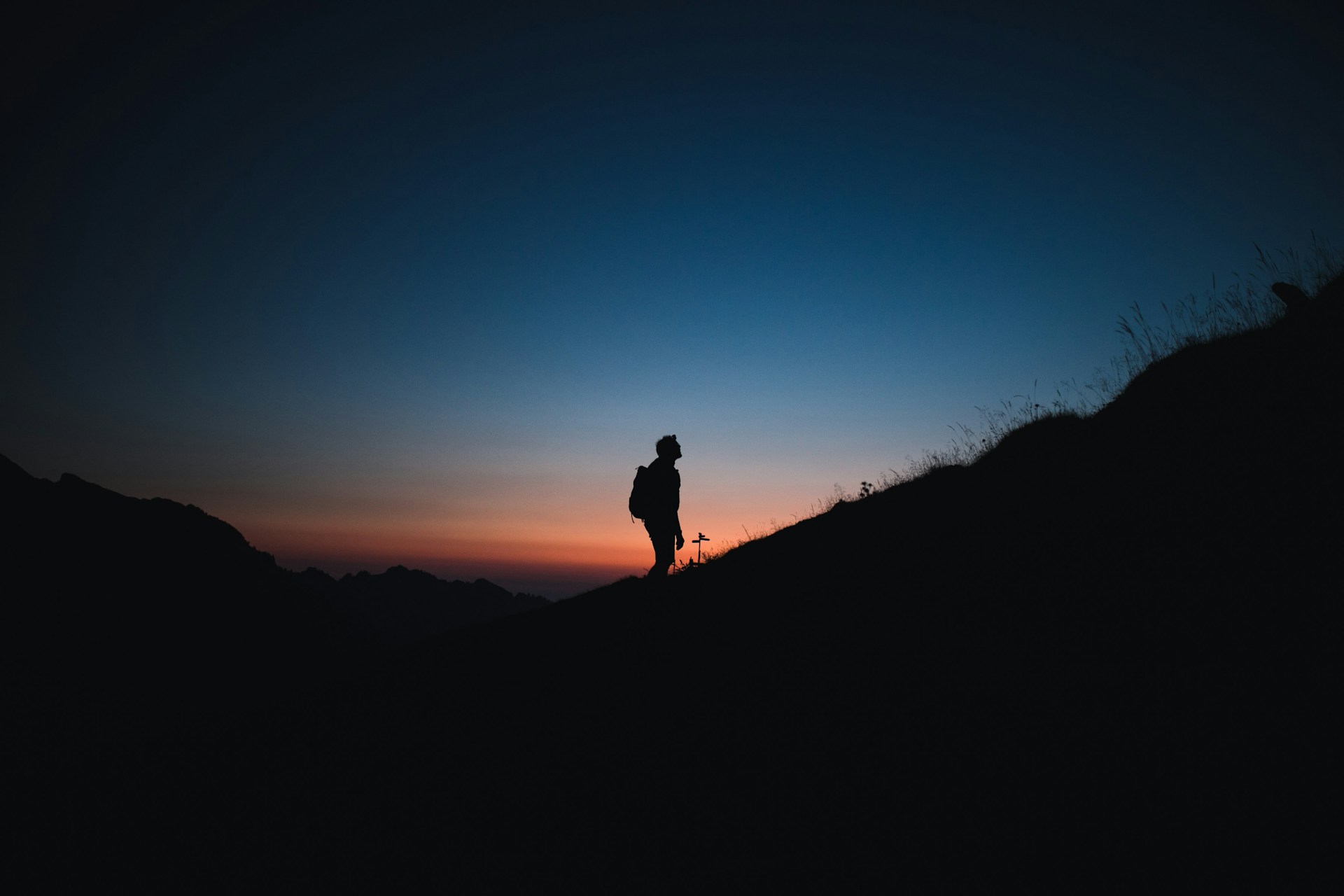
Photo by Marc Zimmer on Unsplash
For Uncle Lou

Uncle Lou lived a life that, on paper, sounds larger than life.

He was a thoracic surgeon who quite literally saved lives on a regular basis. He could have filled every family gathering with stories of operating rooms, impossible cases, and professional milestones. But that’s not the way Uncle Lou did things.

Uncle Lou was far more interested in our stories than his own. He wanted to know what we were learning, what we were building, what we were excited about. He led with curiosity and humility when he had every reason to lead with his own accomplishments.

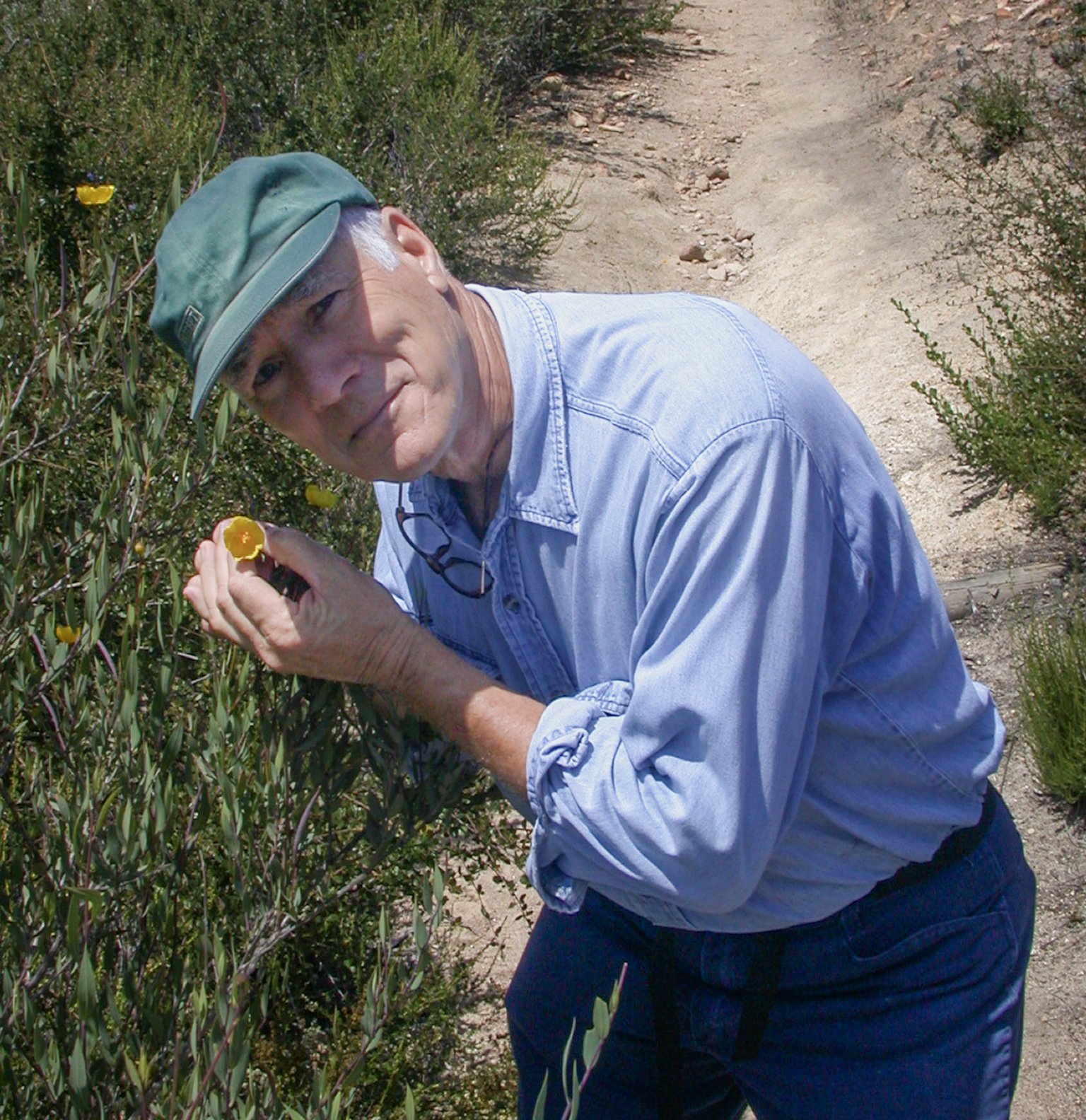
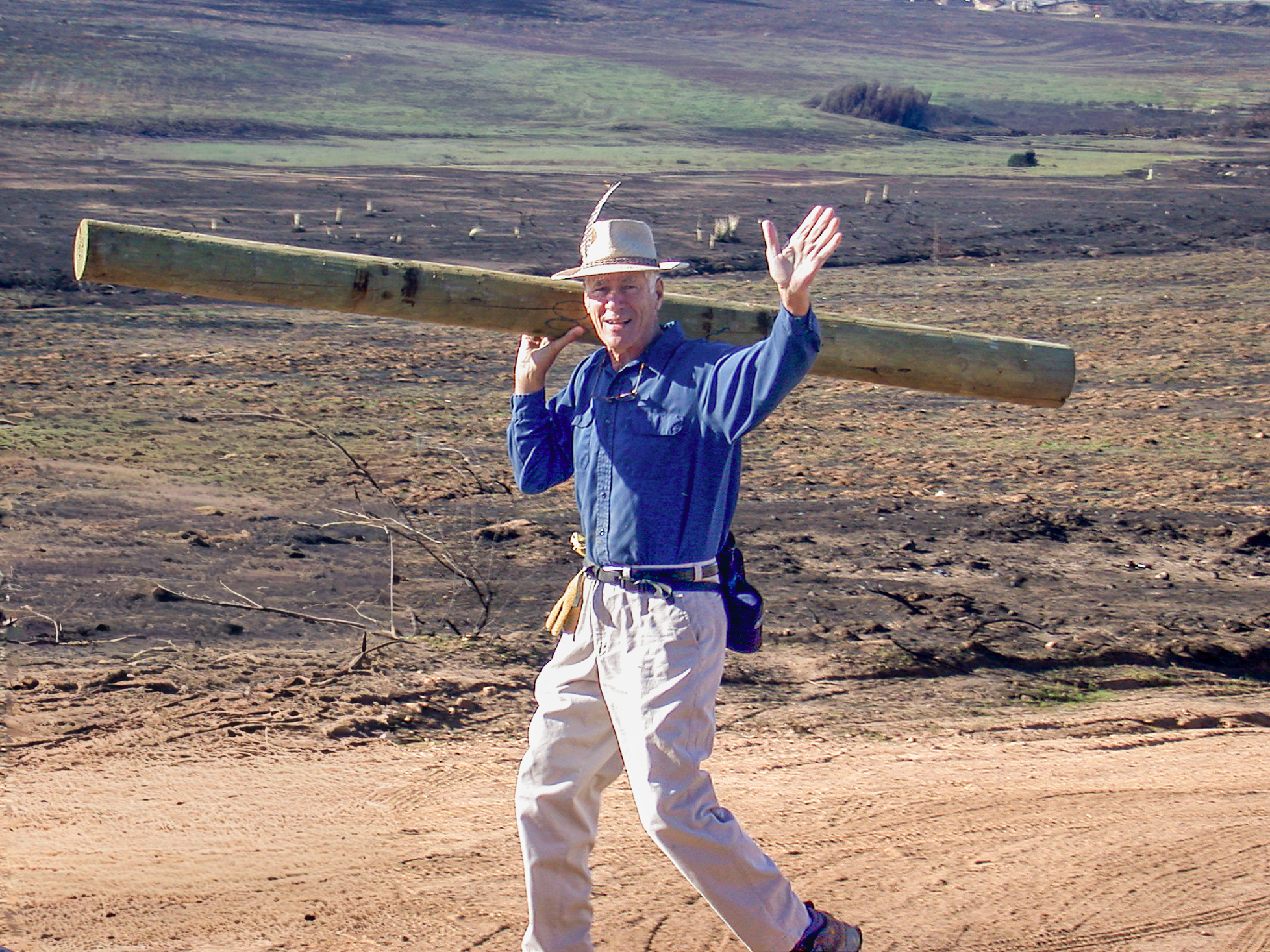
He was a craftsman in the truest sense of the word. One of his hobbies, passion really, was working in his woodshop. His healing hands created fine wood furniture that he mostly gave away to family and friends. We are blessed to have a miniature grandfather clock that he made for us, and a wooden inlaid box that sits on my nightstand.

He was an excellent golfer. I wasn’t good enough to golf in his circle, although I think he may have caught video of me hitting a tee shot backwards once (that’s a story for another time).

I learned how to play a mean air trombone from Uncle Lou. A skill he showed off many times.

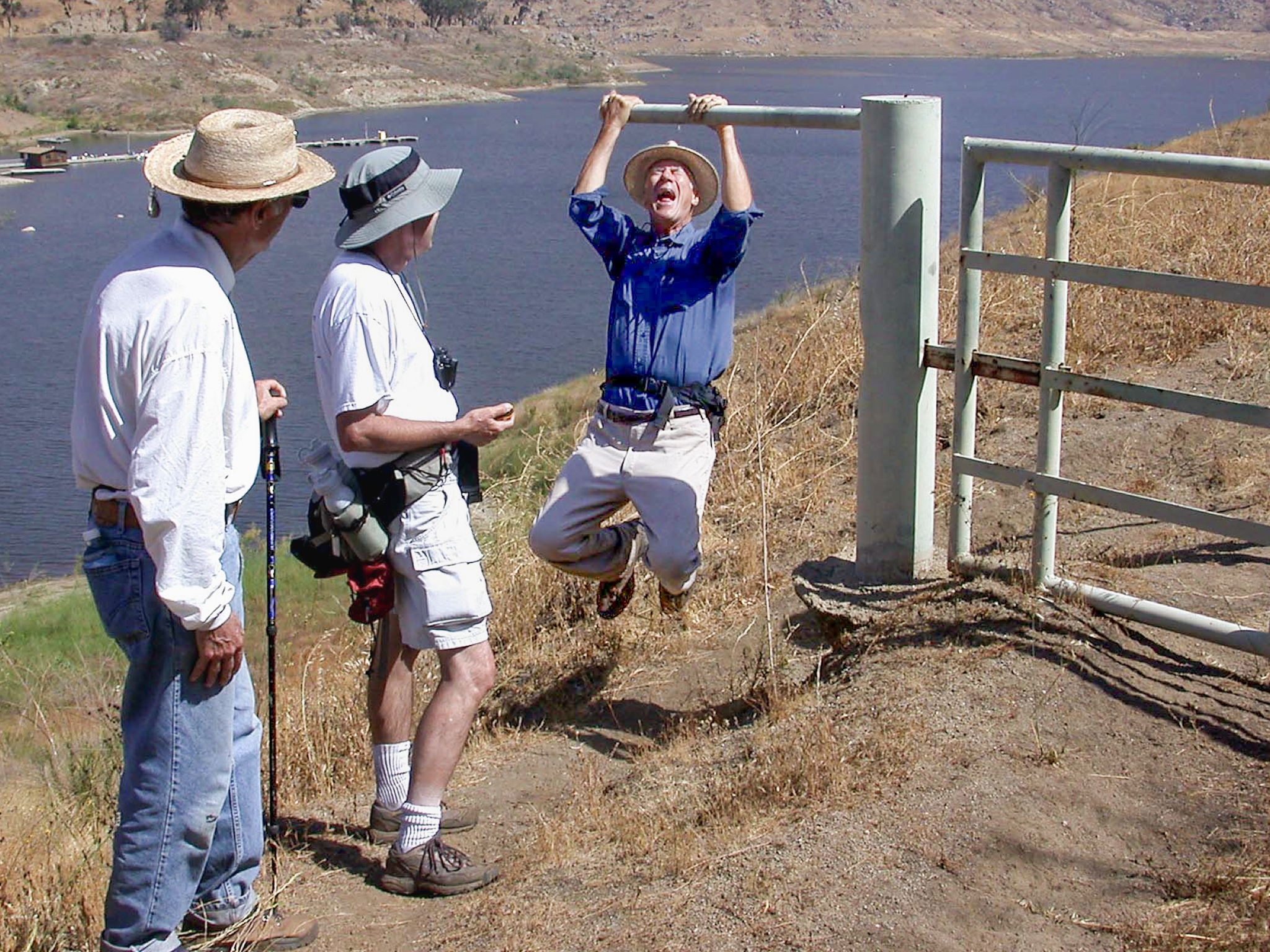
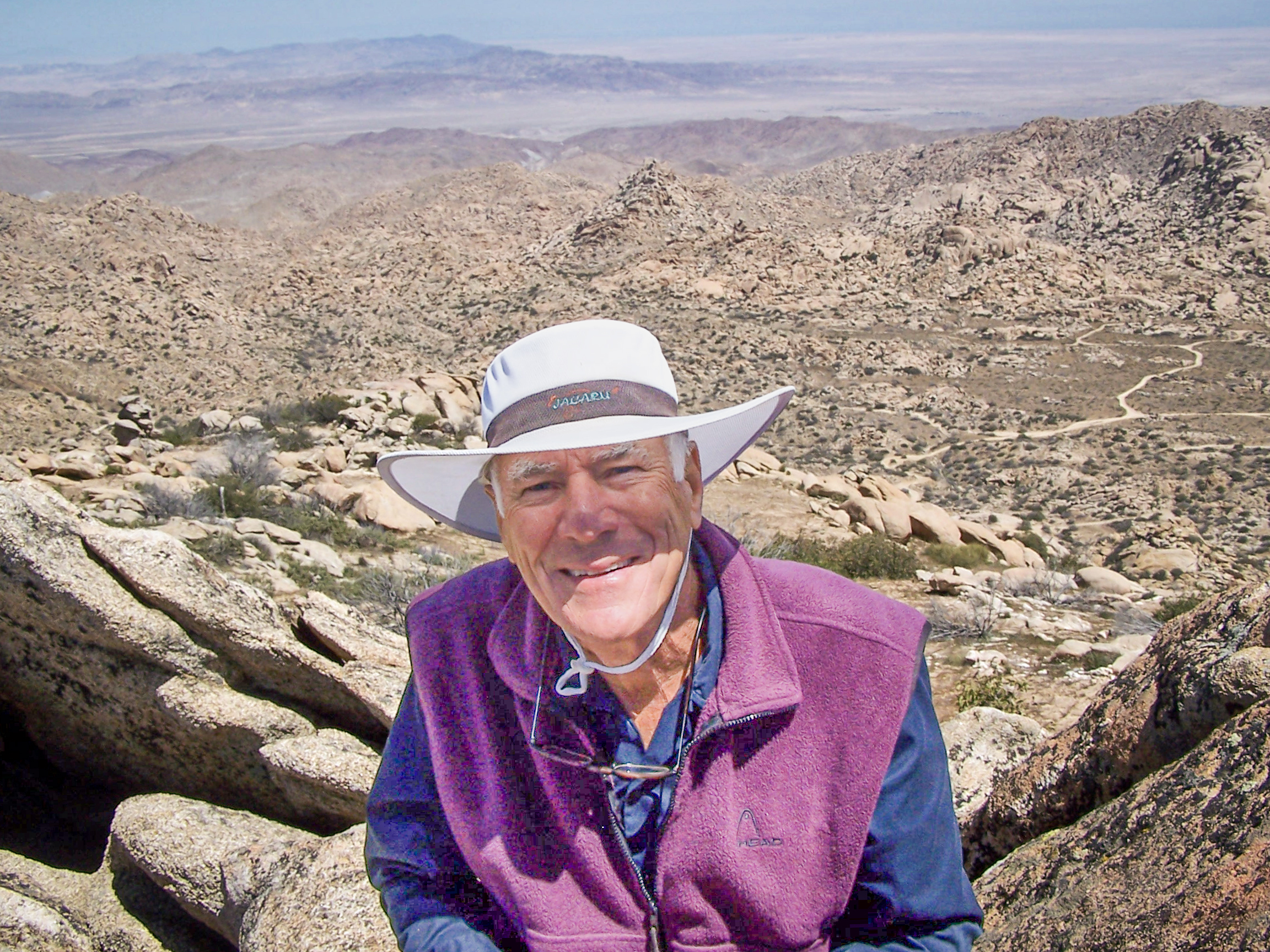
Did I mention that he was an avid hiker? His retiree group, the Kaiser Retired Association of Physicians (KRAP) hiked all over the greater San Diego area. It’s clear that the KRAP group is filled with like-minded super talented, but humble, individuals who get a well-earned kick out of the acronym for their group.

His curiosity never retired. Even as his body slowed in recent years, his mind never did. I remember recent conversations with him about computers, AI technology, and rockets. He approached new ideas the same way he approached everything else…with interest, openness, and the quiet confidence of a lifelong learner. I suspect he was still reading about something new right up until the end.

As I was putting the finishing touches on this post, I realized I had left out one more facet of Uncle Lou’s amazing life. He was also a pilot. He flew his plane far and wide, often to sample the cuisine at a distant airport diner, but always for the simple joy of seeing the world from above. It seems perfectly fitting for someone so curious and alive to experience life from every vantage point. A true Renaissance man if ever I knew one.

Uncle Lou’s legacy isn’t only in the lives he saved, the furniture he built, the miles he hiked, the miles he flew, or the videos he recorded of family moments. He always made you feel you were worthy of his full attention.

Uncle Lou reminds us that a life of great achievement shines even brighter when it’s paired with humility, curiosity, and genuine interest in others.

I’ll miss his wry grin, and that twinkle in his eye that let you know he was a very serious person who didn’t take himself too seriously.

Godspeed, Uncle Lou.

The Space Where Imagination Still Lives

A sentence in a science fiction novel stopped me recently. It was a small line, easy to roll past, but it stayed with me long after I put it down.

“I’m proud of my imagination.”

I found myself wondering if I had ever thought of it that way. Proud. The bigger question that followed was a little more unsettling. Am I still using my imagination fully, or is it something I can see, but always remains just a few steps beyond my reach?

Most of us think of imagination as something that belongs to childhood. Living room forts. Long summer days that lasted forever. Stories invented simply because it was fun to live inside them for a while.

Then life moves forward and the tone shifts. Our imagination grows up with us. It gets invited into planning meetings and project updates. It earns its place by helping things get built, improved, delivered. It becomes practical.

That kind of imagination matters. It’s the force behind homes that rise from empty ground, companies that begin as ideas scribbled on paper, and communities that take shape one decision at a time. Many of the most meaningful things in life begin with a simple question. What if this could exist? And then our imagination stays long enough to help bring it into the world.

Yet there’s another layer, the one that’s harder to reach. Imagination without a destination. The kind that wanders. The kind that lets our curiosity move without a map, without an audience, without a finish line waiting just ahead.

Modern life doesn’t make much room for wandering. We reward clarity. We celebrate speed. Productivity gets our applause. Wandering gets a polite nod and then we move on.

Even creativity, when it happens, can start to lean toward usefulness. We think about who might care, how something might land, whether this is worth sharing. Before long, our imagination is wearing work clothes every day.

Still, the wandering version never disappears. It shows itself in moments we almost miss. A line in a book that makes us pause. A quiet walk where our thoughts drift farther than we planned. Standing on an open piece of land and picturing laughter and conversations that haven’t happened yet, paths that haven’t yet been carved.

Those moments feel different. The air seems a little wider. Time stretches just enough for possibility to breathe.

Imagination is our ability to see long before we start to solve. 

Across a lifetime it takes different forms.

-Playful imagination delights in possibility simply because it can.
-Building imagination turns vision into action and ideas into reality.
-Generative imagination pictures future experiences, future conversations, future memories waiting somewhere ahead.

Most of us live primarily in the second and third forms. We plan, design, and visualize. We imagine with purpose. The playful version visits less often, but when it arrives it carries a spark that feels unmistakable.

Part of what makes it harder to access is our internal voice of evaluation. Our mind asks its questions automatically. Does this make sense? Is this useful? Would anyone care? These questions help us bring ideas into the world. They also narrow our horizons.

Artists talk about the deep joy in creating something they love for its own sake. Then a second round of joy when that creation resonates with others. The order matters. Self first. Audience second. When the sequence holds, the work feels alive. The same may be true of imagination itself.

Imagination grows stronger when it has somewhere to roam. It expands when it’s allowed to exist without immediate purpose. That permission can live in small choices. Letting a thought run a little longer. Following an idea that seems interesting even if it leads nowhere. Sitting with possibility without rushing to decide what it means.

The wandering and the purposeful are partners. Each strengthens the other. The freedom to explore deepens our clarity to build. When imagination has room to stretch, what we create carries more life inside of it.

That line from the novel stayed with me because it felt less like a statement and more like a quiet commitment. To keep my imagination active. To keep it close at hand. To let it wander often enough that it never forgets how.

Maybe that’s the invitation for all of us. Keep a small door open. Let imagination step outside the boundaries of usefulness from time to time. Let it explore without needing a reason.

Because the farther our imagination travels, the richer life feels when we return.

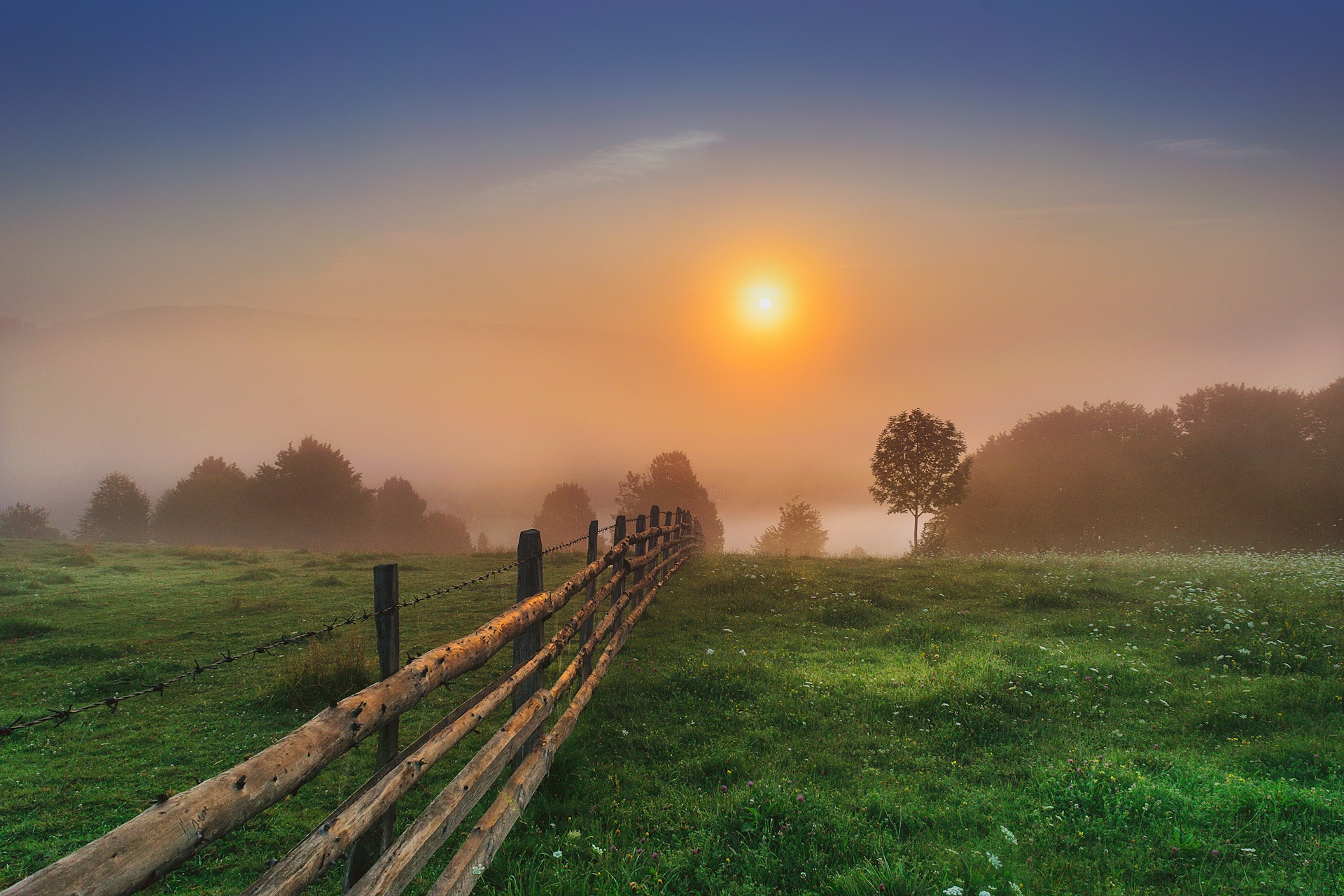
Photo by Dobranici Florin on Unsplash – I can imagine a bunch of things in this photo, but the main reason I chose it is the way the sun glows on the fence posts. I made you look again, didn’t I.

Six Questions at the End of the Day

For the next two weeks, I’ll be doing something new.

Marshall Goldsmith is encouraging people to ask themselves six questions every day. That’s the whole experiment.

Six questions. Asked at night. Answered honestly.

They all start the same way:

Did I do my best to…

The questions don’t ask what happened to me today. They ask what I did with today.

During his webinar introducing the experiment, Mr. Goldsmith referred to the Rigveda, an ancient poem from India that he described as being thousands of years old. He just mentioned it and moved on.

I had never heard of the Rigveda, so down the rabbit hole I went after his webinar ended.

The Rigveda is a collection of hymns. A lot of it is about everyday things. The sun rising. Fire. Breath. Life continuing. There’s a sense that daily life matters. That how we live each day counts.

People have been trying to figure out how to live a good life for a long time. Way before self-help and leadership books. Way before webinars and podcasts.

St. Ignatius of Loyola comes to mind. He developed something called the Daily Examen. It’s a review of the day. You look back. You notice where you were grateful. You notice where you fell short. You think about tomorrow.

Different times. Different traditions. Same basic ideas.

At the end of the day, pause and ask, “How did I live today?”

Goldsmith’s six questions fit right into that pattern.

Did I do my best to be happy today?

The question hits differently when the day is already over. I can see clearly whether I purposely enjoyed the day or just rushed through it.

Did I do my best to build positive relationships?

Now I’m thinking about the way I spoke to someone. Whether I listened. Whether I gave someone my full attention.

The questions are short. The reflections take some time.

Goldsmith describes happiness as “enjoyment with the process of life itself.” Happiness lives inside the day. It grows out of our engagement with what’s already in front of us.

The writers of the Rigveda seemed to understand that. Ignatius understood it too. They’re asking us to pay attention to our life and actively engage in it.

I’m only a few days into this experiment. Nothing dramatic has happened. No big breakthroughs.

But I know I’ll be answering these six questions later. I move through the day with more awareness. I catch myself sooner. I stay present a little longer. I think twice before reacting.

It’s a small shift…but small shifts repeated over time shape our lives.

Thousands of years have passed since the Rigveda was written. Centuries since Ignatius taught people to examine their day.

Our modern life looks very different, but the question remains the same.

How did I live today?


Here are Goldsmith’s six questions:

Did I do my best to set clear goals today?

-Did I do my best to make progress towards my goals today?

-Did I do my best to find meaning today?

-Did I do my best to be happy today?

-Did I do my best to build positive relationships today?

-Did I do my best to be engaged today?

h/t – Marshall Goldsmith

Photo by Jonh Corner on Unsplash – looks like an awesome spot to think about these questions.

Grandpa Bob Encouraging Leadership — A New Podcast

Over the last 15 years, I’ve written a lot of words.

Words shaped by work and leadership challenges.

Words that grew out of quiet reflection or things that caught my attention at just the right moment.

Many of them were also shaped by family, faith, mistakes, and moments that stayed with me longer than I expected.

More than a few people have suggested I start a podcast. They’d tell me it’s a lot easier to listen than it is to keep up with a bunch of new reading assignments each week.

While my mom was still alive and living with significant vision loss from macular degeneration, I gave the idea serious thought. Listening would have been the only practical way for her to “read” my posts.

Unfortunately, that “serious thought” didn’t turn into action in time for her to benefit.

Ironically, for someone who usually believes in starting, then figuring things out along the way, I let all the steps required to set up a podcast get in the way of beginning.

Until now.

So today, I’m launching a new podcast:

Grandpa Bob Encouraging Leadership

This podcast is a series of short reflections on leadership, life, and learning. I’m sharing them first and foremost with my grandchildren…and with anyone else who might be listening in.

The episodes are intentionally brief, thoughtful, and unhurried.

They’re the kind of reflections you can listen to on a walk, during a quiet drive, or at the start or end of your day.

They’re meant to create space, not fill it.

Who it’s for

At its heart, this podcast is for my grandkids.

Someday, years from now, I want them to be able to hear my voice and know what mattered to me.

The things I noticed. What I learned the hard way. What I hope they carry with them as they find their own way in the world.

But leadership lessons rarely belong to just one audience.

So, if you’re listening, as a parent, a leader, a teacher, or simply someone trying to live well, you’re welcome here too.

What we’ll talk about

Each episode explores a simple idea. Here are some examples:

-Showing up when progress feels slow

-Letting go of certainty

-Choosing gratitude over entitlement

-Learning to wait without drifting

-Leading with trust, humility, and patience

-Paying attention to what’s quietly shaping us

    There won’t be hype. There won’t be slogans. There certainly won’t be any fancy edits.

    I’ll discuss questions worth talking about, and observations a loving grandfather hopes to pass along to his grandkids.

    An invitation

    You can find Grandpa Bob Encouraging Leadership wherever you listen to podcasts.

    Don’t worry if you can’t listen to every episode.

    Please feel free to disagree with anything I say. I don’t have a monopoly on the right answers.

    If even one episode helps you pause, notice something new, or steady yourself a little, then it’s doing what it was meant to do.

    Thanks for listening.

    And if you’re one of my grandkids reading this someday, know that I believe in you and I’m always rooting for you.

    If you’re listening alongside them, the same is true for you.

    Photo by Patrick Fore on Unsplash

    My Friend, Paul

    When I heard that my friend Paul was in the hospital and things weren’t looking good, I can’t say I was shocked. When he passed away a few days later, what stayed with me most was the loss of everything he still had ahead of him.

    Paul had been in a self-destructive pattern for a while. I recognized it early, having seen something similar play out in my own family years before. Still, knowing the path doesn’t make the ending any easier.

    Paul was my brother’s best friend since high school. More than that really…another brother. Like brothers often do, they didn’t agree on everything, but they agreed they were in it together, and that wasn’t going to change.

    I first met Paul when he was probably a sophomore or junior in high school. I was home visiting from my freshman year in college. I remember that mullet like it was yesterday. Business up front, party in the back. He wore it with absolute confidence, as if it were the only reasonable hairstyle.

    He was quick-witted and cocky, but in a good way. Sure of himself, without yet knowing what his future held. Which, in hindsight, makes him a lot like the rest of us at almost any age.

    Paul had a way of knowing everyone. If he didn’t already know you, he would by the end of the day. His personality filled whatever space he walked into. He remembered names after meeting someone once, a gift I’ve always envied. He asked questions, was genuinely curious about people, and he made everyone feel seen. Paul appreciated people, and people felt that.

    He was always ready to dive into big ideas and big projects. He liked to say, “I don’t have a stop sign on my chest.” While others talked about racing off-road “someday,” Paul made it real. With my brother and a group of equally committed friends, he jumped headfirst into building and racing a Class 10 buggy.

    What did Paul know about off-road fabrication or racing at speed in the desert? Not much. That didn’t stop him. He’d figure it out along the way. Thursday nights in his garage turned into a ritual. Fabricating, wrenching, laughing, getting ready. Lots of Saturdays were spent in the desert testing and tuning, trying to make the car race ready.

    My brother was his co-driver, mentor, and probably the unofficial crew chief. I don’t know how many races they finished, maybe one or two, but they often led the first lap and looked great until something small failed. A cheap part. A loose wire. A power steering pump. One tiny thing ending the day.

    They were frustrated, but they didn’t quit. Eventually the Class 10 car gave way to a Class 8 truck. Everything got bigger. More horsepower, bigger suspension, more parts, higher speeds. More complexity. More commitment. More Thursdays. More Saturdays. More races.

    Paul used to joke that the only things standing between him and winning were experience, capability, and funding. All probably true. Where most people would see that as a reason to stop, Paul saw it as part of the adventure. He believed he’d learn as he went, and he’d have fun doing it.

    I was lucky to pit for Paul at a few of his races. But where I really got to see him shine was pitting for Team Honda in Baja and Team Kawasaki in Nevada. I learned that Paul knew the words to every Metallica song, and nearly every other song that came on the radio…rap, country, classic rock. He knew them all.

    One Nevada race stands out. We were assigned the first pit of the day, then relocated to be the final pit later the same day. It’s always fun to be able to do two pits in the same day.

    We scouted the location the day before. A desolate stretch of desert about 50 miles from the start. We rolled out early from our little motel the next morning in the dark to get set up.

    We thought it would be cool to have an official Kawasaki awning over the spot where the bikes would stop for gas and service. It looked great. We forgot one detail. Securing that awning.

    As the first rider, a Kawasaki (of course), came rolling in, Paul had the fuel dump can ready. We could fill a tank in about ten seconds. Everything was smooth. Then the desert wind kicked up, and the awning took off, cartwheeling across the landscape in spectacular fashion right as fueling began.

    There was nothing to do but keep going. Rider one laughed as he pulled out. Did I mention there was film crew there? They laughed. We laughed. Thirty seconds later, rider two came in and out just as fast.

    When we finally went to retrieve the awning that had rolled about a half mile away, we expected wreckage. Instead, it was mostly fine. Scratched, dusty, but intact. At the final pit of the day, we remembered to tie it down.

    When I think of Paul, that’s what comes to mind. The sprinkling of chaos. The laughter. The way nothing ever quite went according to plan, and how little that bothered him or any of us. We were having fun together and that’s what mattered.

    I’ll miss Paul’s infectious grin, his laugh, and his refusal to wait for perfect conditions. He left too early. But he left us with stories, friendships, and a reminder that life isn’t meant to be watched from the sidelines.

    Rest in peace, my friend.

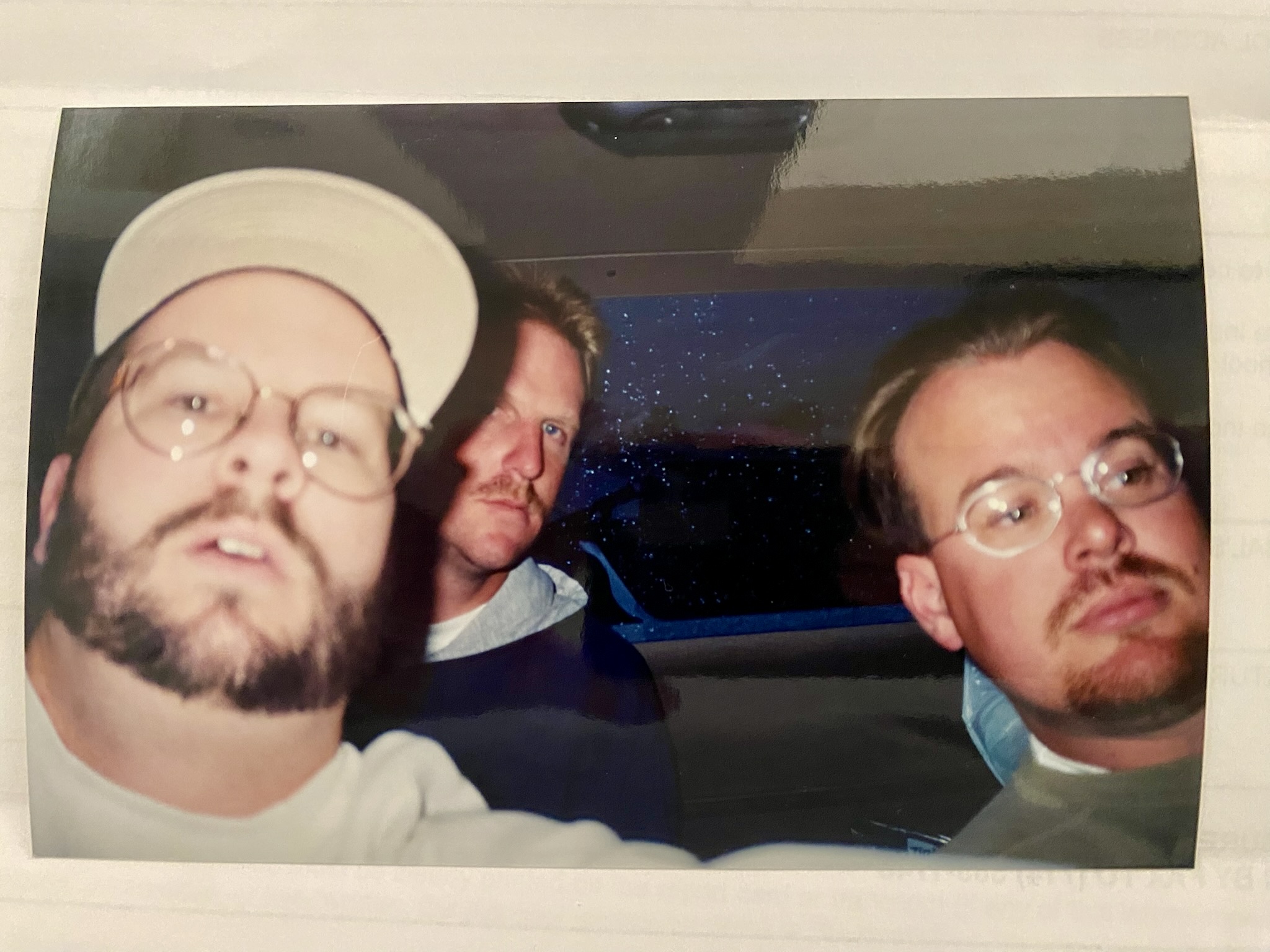
    Photo – a selfie back when selfies were taken with film cameras, at least 30 years ago. Three knuckleheads driving to the desert way too early. That’s my brother and I on the left and my brother’s other brother, Paul, on the right. We’ll miss you, Paul.

    Words Around Christmas

    December turns our words to gold,
    Tidings, joy, and peace foretold.
    Lights like stars along our eaves,
    Hope returns on winter’s leaves.

    Forgotten words begin to rise,
    Childlike wonder in our eyes.
    Tinsel, sleigh bells, candle-glow,
    Songs of Christmas we all know.

    Jingle bells and sleighs take flight,
    Rudolph glows through frosted night.
    Elves and workshops, North Pole cheer,
    Santa’s laughter draws us near.

    Snickerdoodles and mulling spice,
    Our kitchen’s warmth feels soft and nice.
    Welch cakes, pasties, stories told,
    Trimmings bright against the cold.

    Village lights and carols ring,
    Wishes whispered, children sing.
    Holly, ornaments, and good cheer
    Mark the turning of the year.

    Laughter spills from room to room,
    Chasing winter’s early gloom.
    A gift is only paper bright
    Till love folds edges soft and tight.

    Traditions bloom in winter air
    When generations gather there.
    Past and present intertwined,
    Stories passed from heart to mind.

    Nutcrackers guard, reindeer in flight,
    Stockings, holly, silent night.
    Sacred stillness gently kept,
    In the hours while we slept.

    Speak with warmth in every line,
    Merry heart and joy divine.
    Let kindness shape the songs we sing,
    for Christ is born, our promised King.

    Let peace on earth be more than art,
    let joy take root in every heart.
    Let words become the lives we live,
    hope to hold, and grace we give.

    For all these phrases loved and dear
    return to us but once a year.
    They point us toward God’s Word,
    the sweetest story ever heard.

    Love made its dwelling in the hay,
    a Child who gave the world its way.
    We speak these golden words because
    He came to live His love through us.

    Photo by Rafał Danhoffer on Unsplash

    Simplifying 2026, One Decision at a Time

    Every December, I return to a familiar practice. I reread a few of my older posts, looking for threads that might help clarify my thinking about the year ahead. Last year, on the final day of 2024, I wrote a short post on my goals for 2025:

    -Serve the quests of others over my own
    -Offer insights and advice, not direction
    -Push beyond my comfort zone and inspire others to do the same
    -Bring the loaves and fishes, and trust God with the rest

    I see that I longed for simplicity without mentioning it directly. I wanted more presence, more clarity, more intention, and a little less noise in a world that seems to generate more every year.

    This week, as I listened to Tim Ferriss speak with Derek Sivers, Seth Godin, and Martha Beck about simplifying life, I realized this desire has been with me for a long time. More than a decade ago, I wrote a short post called Becoming a Chief Simplicity Officer, describing how organizations thrive when they remove friction and create clean intuitive paths so people can focus on what truly matters. The idea was straightforward. When systems run smoothly, people flourish.

    It turns out this Chief Simplicity Officer role fits in life just as well as leadership. Someone needs to step into the work of reducing complexity, eliminating friction, and clearing space for the things that deserve attention. Someone needs to guard the essentials by shedding the excess.

    That someone is me, and it’s you in your life.

    From Tim Ferriss’s Podcast

    Derek Sivers: Simple Isn’t Easy, but It Is Freedom

    Derek Sivers says simplicity requires intention. It doesn’t appear just because we cut a few tasks or say no occasionally. It takes shape when we clear away commitments that no longer belong and choose what contributes to the life we want to live. He often talks about building life from first principles instead of living on top of default settings.

    Every recurring obligation fills space that could hold something meaningful. Every dependency adds weight. Every unfinished task pulls at the edges of our attention.

    What possibilities would rise if complexity stopped crowding the edges of your life?

    Seth Godin: Boundaries Create Clarity

    Seth Godin approaches simplicity through the lens of clarity. When you know exactly who your work is for, you stop bending your days around expectations that were never meant to guide your decisions. Clear boundaries turn vague intentions into choices you can actually live out.

    Simplicity often follows sharper edges. Define your edges, and the path through each day becomes easier to walk.

    Martha Beck: Choose Joy, Not Habit

    Martha Beck speaks of simplicity in the language of joy. She tells a story from her twenties when she made a single choice that reshaped her life. She turned toward joy and stepped away from misery, even when the joyful path cost more in the moment. Joy has a way of clearing the fog. It cuts through distraction and highlights what brings life.

    Her words invite us to examine the decisions we’ve kept out of habit or comfort. Some habits strengthen our soul. Others only multiply clutter. Joy reveals the difference.

    Ten Simplicity Moves for the Start of 2026

    These actions are small, but each one lightens the load. They remove stones from a shoe you may have been walking with for years without realizing.

    1. Cancel one subscription that no longer serves you. Even a small change can create a surprising sense of clarity.
    2. Choose one non-negotiable time boundary and honor it. Maybe evening email and scrolling limits or a weekly focus block on your calendar. Small open spaces accumulate over time.
    3. Simplify one recurring decision. Automate it, template it, or eliminate it entirely.
    4. Pause one habit you maintain out of inertia. Give yourself a week to assess its value.
    5. Identify one activity that consistently brings joy and schedule time for it this week.
    6. Unsubscribe from three email lists that add noise instead of value.
    7. Clear one surface you see every day. A calm space refreshes the mind.
    8. Revisit your goals from last year and carry forward only what still matters. Release the rest.
    9. Decide who you are working for. Clarity about your audience sharpens the work you choose to do.
    10. Ask yourself one grounding question: What do I truly need to live the life I want? Let your answer shape what stays and what goes.

    Looking Back at 2025 and Forward Into 2026

    My goals for 2025 were aimed at deeper alignment with the things I care about. They served me well and opened my heart to possibilities I never would have imagined. I’ll carry these goals into 2026 (and beyond).

    For 2026, I’m adding one specific goal to my list. I started working on this goal a few months ago, and it’s pushing me way outside of my comfort zone. While it’s a personal quest (and not one that serves the quests of others over my own), I believe it will serve others on their journey. I’ll be bringing the loaves and fishes and trusting God to do the rest. I’ll share more details later.

    A Closing Invitation

    Simplicity grows as unnecessary weight falls away and clarity rises in its place. You don’t need a title or a plan to begin.

    You only need to choose.

    Choose clarity.

    Choose boundaries.

    Choose joy.

    Choose to be the Chief Simplicity Officer in your own life.

    Let this be the year you simplify your days and rediscover the freedom and clarity that come from intentional living.

    Photo by Paul Earle on Unsplash

    Please share this post with at least one person. Thanks!

    The Pathways to a Rewarding Life

    Finding Purpose at Every Age

    From thirty thousand feet, the land below looks like a patchwork of roads and fields. Each marks a choice someone once made about where to go. Some stretch straight and steady. Others twist through hills or fade out of sight. Together they form a map of movement and direction, a living story of people who kept choosing the next road.

    Life feels the same way. The routes change, but the invitation stays the same. Keep moving to find greater meaning.

    The most rewarding paths often pass through three places. Serving others, staying curious, and daring to pursue new goals.

    Service opens our heart. When we give to something beyond ourselves, our life expands. For the younger generation, it teaches them that purpose grows through generosity and connection. Helping a friend, joining a cause, or showing up for someone who needs encouragement builds an identity rooted in contribution. Later in life, service transforms experience into legacy. It turns lessons into guidance and presence into impact. Every act of service whispers that we still matter.

    Curiosity keeps that whisper alive. It invites discovery and reminds us that wonder never expires. For young adults, curiosity shifts attention from comparison to possibility. It fuels creativity and builds resilience (because nobody said it would be easy). For those further down the road, curiosity revives joy. Learning something new, exploring unfamiliar tools, or asking deeper questions renews their spirit.

    Big goals complete the trio. Ambition alone can fade, but big dreams shaped by purpose bring hope to life. For the young, bold goals turn uncertainty into motion. For the experienced, they rekindle the thrill of becoming. The thrill of pursuing. Every goal, whether to build, create, teach, or grow, reminds the soul that movement still matters. Hope rises with every goal we dare to pursue.

    Many people never take these paths. Fear of failure, fear of embarrassment, fear of losing face…they each build fences where we can hide.  Quiet excuses convincing us to play small and call it wisdom.

    Fear says, “Stay comfortable.” Curiosity says, “Let’s see what happens.”

    When fear wins, both young and old lose sight of their forward motion. The young adult who fears being judged easily drifts into hopelessness. The older adult who hesitates to dream again slips into quiet surrender. The reasons sound different, yet the root feels the same. Fear has taken the wheel. Stagnation and hopelessness follow.

    Purpose waits just ahead. It lives in the next act of kindness, the next mystery to be solved, the next dream still worth chasing.

    The pathways to a rewarding life have no finish line. Every act of service, every curious step, every daring goal breathes new life into our soul.

    When we explore these paths, joy and fulfillment will be our companion.

    Photo by Line Kjær on Unsplash – I wonder what’s in the next valley.  Let’s go find out. 

    Doing the Thing

    Writing a song is like fishing, Kenny Chesney once said. Some days you catch something beautiful. The melody, the moment, the truth. Other days, you sit there all day with nothing but frustration and a stubborn belief that it’s still worth being out there.

    That kind of wisdom transcends genres. Ernest Hemingway spent his life circling the same idea. That real art happens when we show up. Whether facing a blank page, a marlin that wouldn’t bite, or a battle that couldn’t be won, he believed the only way to live fully was to move, to act, to engage.

    His work embodied a simple truth. The shortest answer is doing the thing. For him, wisdom wasn’t found in thinking about life, but in living it. No clever phrasing. No shortcuts. Just the act itself. Simple, honest, alive.

    We spend so much of life thinking about what we might do, planning what we should do, waiting until we feel ready to begin. But readiness rarely arrives on its own. The line stays slack until you cast it. The song stays silent until you play it. The story remains untold until you write it.

    Sometimes we catch something incredible. Other times, nothing.

    Either way, we were there. Present. Awake. Participating in the work and wonder of life.

    Maybe that’s the whole point.

    A life well-lived must first be lived.

    Photo by Shojol Islam on Unsplash – I wonder if he’ll catch something on this cast. Maybe. Maybe not. But, he’s in the game, giving it his best shot and that’s what matters.